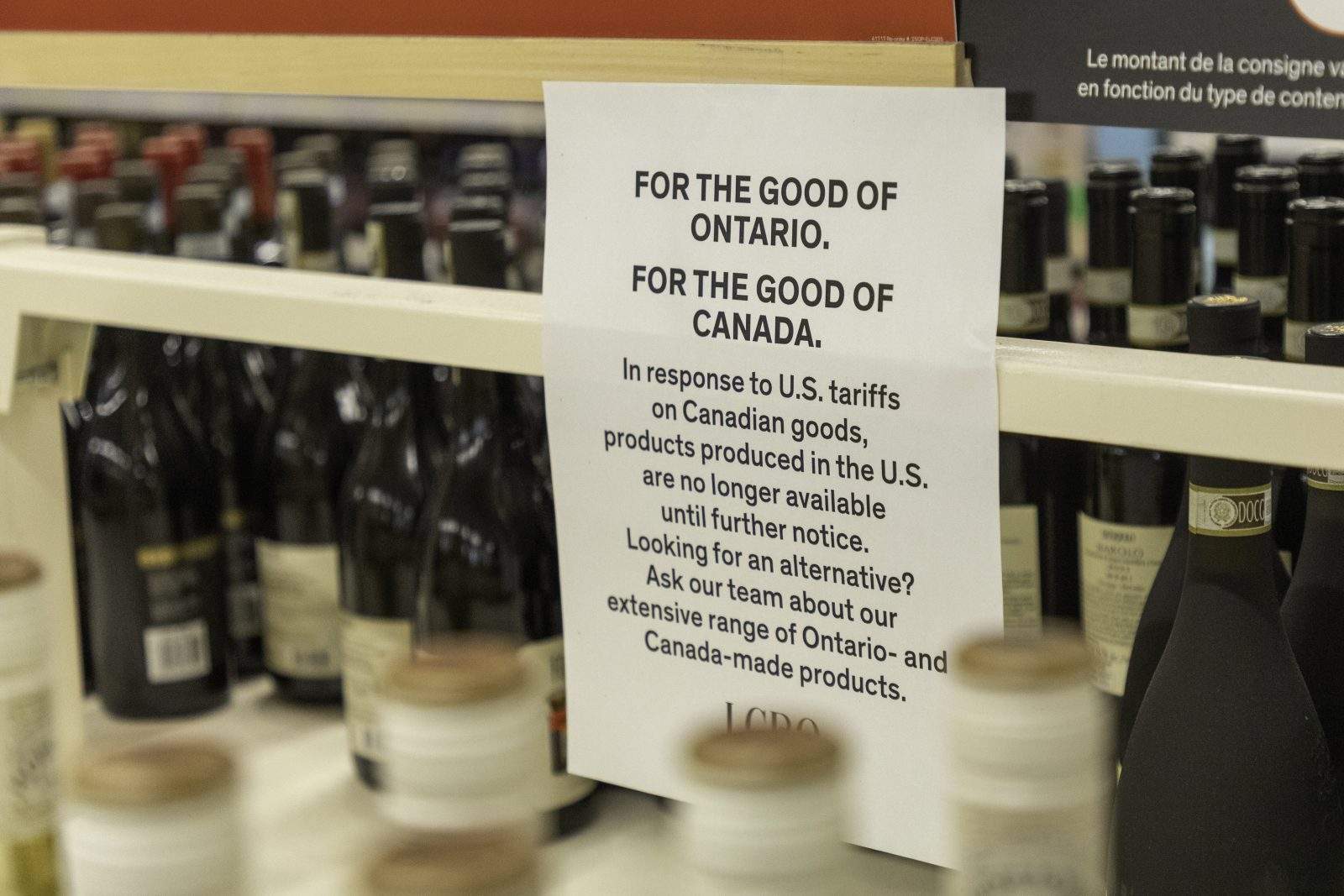
Trade wars create strange bedfellows. For over a year, provincial liquor boards across Canada have banned American alcohol in response to U.S. tariffs. That boycott handed local producers a massive windfall, with Ontario VQA wine sales surging significantly. Yet, as a looming deadline for an aggressive 50 per cent tariff threatens heavy industries like forestry and aluminum, a surprising group is waving a white flag. Some Ontario winemakers are openly admitting they would gladly sacrifice their protected shelf space if it meant cooling down a broader economic conflict.
The Broader Economic Reality
It sounds counterintuitive. Why would any local business want to invite its biggest international competitor back into the market after tasting record profits?
Norman Beal, president of Peninsula Ridge Estates Winery, put it bluntly when speaking to reporters. While the absence of U.S. competitors has been a nice bonus for local bottom lines, the collateral damage to the wider Canadian economy is far too steep. When manufacturing, forestry, and automotive sectors take direct hits from retaliatory tariffs, everybody loses.
Data from the Canadian Federation of Independent Business shows that roughly two in five Canadian exporters deal in goods directly targeted by these pending duties. More than three-quarters of those businesses expect devastating revenue drops if the White House follows through. For winemakers who rely on a healthy, spending-heavy middle class to buy premium bottles, a crippled national economy spells long-term disaster. A localized monopoly doesn't mean much if consumers have no disposable income left.
The Double-Edged Sword of Protectionism
When American products vanished from LCBO shelves, local vineyards gained an unexpected captive audience. Aaron Dobbin, president and CEO of Wine Growers Ontario, notes that shoppers forced to explore domestic bottles realized something important. They discovered that local vineyards produce world-class options.
That newfound brand loyalty won't vanish overnight. Consumers who changed their habits over the past year have integrated local purchasing into their regular routines.
Even so, American producers are hurting. Michael Kaiser, executive director of Wine America, points out that regional growers got caught in crosshairs completely unrelated to agriculture. With northern borders closed to their exports, U.S. wineries have flooded their domestic markets, sparking hyper-competition stateside. Bringing U.S. labels back isn't just a concession to Washington; American wine advocates view it as a necessary step toward restoring cross-border goodwill.
Navigating the Political Tug-of-War
Politicians are sharply divided on the path forward. Prime Minister Mark Carney faces intense pressure from federal opposition leaders like Pierre Poilievre, who argue that buckling under pressure and pushing provinces to restore U.S. alcohol sets a dangerous precedent. On the provincial side, leaders like Quebec's Christine Fréchette have signaled an openness to trading shelf space for concrete exemptions on industrial exports.
Meanwhile, industry veterans suggest compromises. Bill Redelmeier of Southbrook Organic Vineyards in Niagara-on-the-Lake has proposed that if American wine returns, it should carry an equivalent tariff surcharge, with proceeds funding food insecurity programs locally.
The countdown is ticking. Whether provincial governments will blink first to protect major industrial exporters remains to be seen, but the cracks in protectionist solidarity are showing. Check your local supplier updates to track how retail inventories shift as the federal trade deadline approaches.