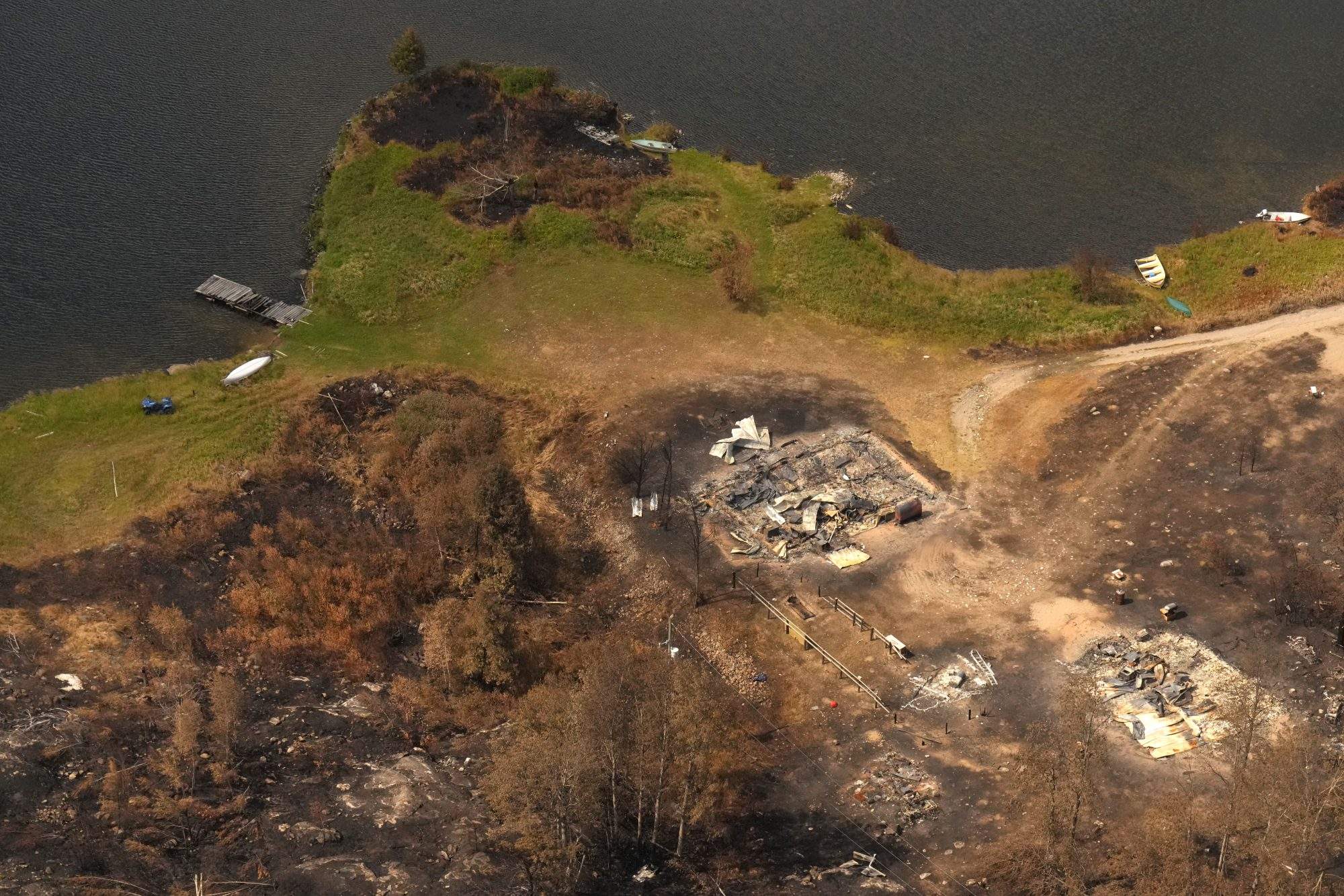
When smoke blankets northwestern Ontario and forces remote communities to flee by boat through walls of flames, broad political platitudes don't cut it. Yet Premier Doug Ford insists his government did everything possible during the current wildfire emergency. Official numbers show over 180 fires burning across the north, displacing thousands of people and destroying thousands of square kilometres of forest. First Nations leaders and Official Opposition Leader Marit Stiles aren't buying the government's narrative, demanding a full public inquiry into how Ontario prepares for and responds to wildland fires.
This isn't just standard Queen's Park political theater. It's a fundamental breakdown in public safety, emergency communications, and resource allocation. If you look at the paper trail left by provincial budgets and independent reports over the last few years, the system's cracks were visible long before the first spark caught this summer.
The Real Story Behind Emergency Firefighting Funding
Premier Ford's defense centres on a simple pitch: the province is spending whatever it takes right now. He recently stated that he wouldn't spare a penny to combat active fires. On paper, that sounds responsible. Reacting with an open checkbook after flames threaten lives misses the whole point of wildfire management.
Pre-disaster budgeting tells a starkly different story. In the 2025 budget, base funding for emergency forest firefighting dropped from $177 million down to $135 million. The initial allocation for the current year stood around $150 million, even though Ontario blew past its targets last year by spending $271 million.
Ontario Wildfire Budgeting vs. Actual Spending (In Millions)
------------------------------------------------------------
Year      Initial Budget    Actual Response Cost
2024      $177M             $271M
2025      $135M             $271M+ (Over budget)
2026      $150M             TBD (Record burning area)
Shrinking base funding before a season starts directly throttles readiness. Frontline capacity, equipment procurement, and seasonal hiring depend on guaranteed baseline dollars, not retroactive emergency cash. Running a fire strategy on reactive spending is like canceling building inspections and boasting about how much you spent on fire trucks after the block burns down.
Ignored Warnings and Equipment Shortages
The opposition's call for a public inquiry isn't pulling accusations out of thin air. NDP leader Marit Stiles and local MPPs point to multiple reports handed to the Ministry of Natural Resources between 2019 and 2022. Audits from wildland firefighters, the Auditor General, and northern organizations laid out clear steps to fix gaps. Key recommendations included:
- Expanding prescribed burns to clear forest floor fuel load.
- Overhauling retention pay to keep experienced wildland crews from leaving.
- Modernizing fleet equipment and securing aircraft long before fire season.
Government officials claim Ontario commands over 80 water bombers and helicopters. Opponents point out that counting every light aircraft that can carry a water bucket isn't the same as having dedicated heavy air tankers ready to fly. Critical heavy planes have been grounded due to delays in ordering replacement engines, while new aircraft orders face waitlists reaching into the mid-2030s because the province dragged its feet.
Delayed Warnings and Forced Self-Evacuations
Budget discrepancies are troubling, but the human breakdown on the ground is where policy turns dangerous. Chiefs across northwestern Ontario recount horrifying experiences where official warnings arrived far too late or missed communities entirely.
In Namaygoosisagagun (Collins First Nation), residents had to pile into personal boats to navigate open water under a dense sky of smoke because provincial evacuation orders hadn't arrived in time. Chiefs from Whitesand and Gull Bay describe similar situations where local councils organized their own logistics, shelter, and transport while provincial agencies debated jurisdiction.
Government spokespeople argue that fast-moving fires force sudden choices, prompting communities to self-evacuate when fires move too quickly. Passing off late responses as unpredictable nature ignores basic emergency management principles. Wildfires don't materialize in seconds. Early detection networks and transparent lines of communication exist precisely to give vulnerable towns a head start.
Why an Independent Inquiry Is Necessary
The Ford administration claims internal reviews after every fire season are sufficient to address issues. An internal review conducted by the very ministry being criticized lacks transparency and public trust.
An independent public inquiry with broad legal authority is the only mechanism equipped to unpack systemic failures. To be effective, an inquiry must investigate specific areas:
- Operational Decision-Making: How fire progress is tracked and when dispatch orders are given.
- Inter-Agency Coordination: Fixing jurisdictional friction between provincial ministries and federal Indigenous services.
- Firefighter Protection: Giving frontline crews whistle-blower protections so they can testify about operational hazards without fear of reprisal.
- Equipment and Resource Transparency: Auditing the operational readiness of Ontario's aerial fleet.
Transitioning primary emergency coordination away from the Ministry of Natural Resources to a dedicated Ministry of Emergency Preparedness could streamline response times. Natural Resources handles resource extraction and land management; managing life-or-death municipal evacuations requires a dedicated disaster defense apparatus.
To protect northern communities, the province must act on key operational changes immediately:
- Restore and double base preparedness funding: Stop relying on reactive emergency payouts and guarantee baseline operational funding for seasonal crew hiring and retention.
- Establish direct liaison channels: Create direct communications links between First Nations emergency coordinators and provincial command posts, bypassing bureaucratic middle management.
- Fast-track heavy fleet maintenance: Address grounded water bombers immediately and secure wet-lease arrangements with commercial operators for peak months.


