The arrest and subsequent indictment of U.S. Marine Lance Cpl. Devin Jacob Ballard for the robbery and murder of a local woman in Naha, Okinawa, did not merely shatter a quiet October morning. It immediately dragged an old, festering geopolitical wound back into the harsh light of day. For decades, the strategic architecture of the U.S.–Japan security alliance has rested on a delicate, friction-filled compact. American power projects outward from the Indo-Pacific, while Okinawans absorb the social cost of hosting the bulk of that force. When a service member crosses the line from garrison friction into capital crime, that compact shatters. Tokyo bristles, Washington scrambles for damage control, and the streets of Naha fill with a familiar, weary fury.
To understand why this specific case carries such explosive weight, one must look beyond the immediate horror of the crime scene and examine the structural machinery governing American troops abroad. Under the Status of Forces Agreement (SOFA), local authorities do not possess absolute, unhindered jurisdiction over American military personnel from the moment an incident occurs. While Japanese prosecutors ultimately indicted Ballard—facing a legal system boasting a conviction rate exceeding 99 percent once a case goes to trial—the initial friction over custody, investigative access, and command response highlights a sovereignty imbalance that local leaders have protested for generations.
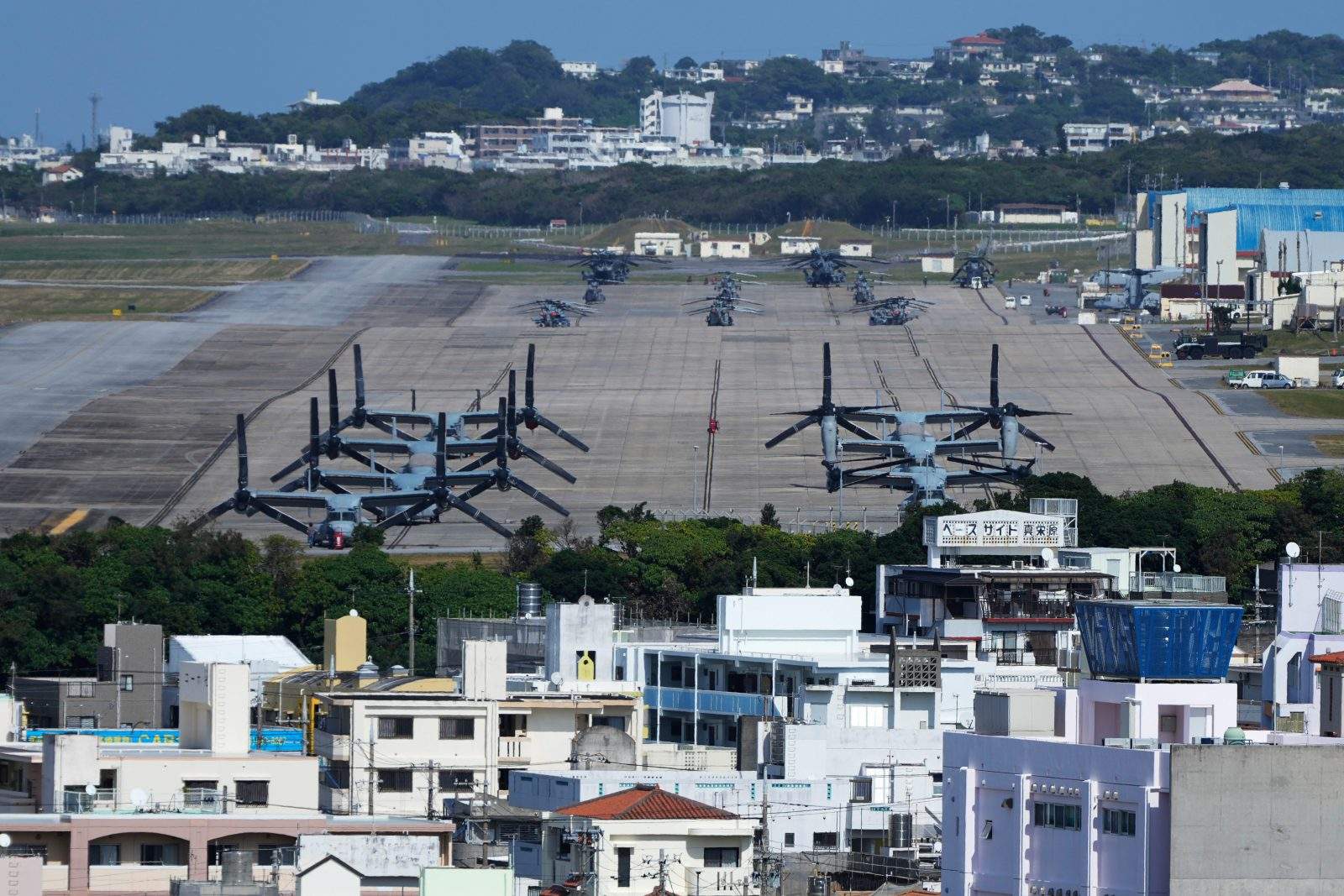
Okinawa prefecture bears an asymmetric burden. While accounting for a fraction of Japan’s total landmass, it hosts the majority of U.S. military facilities in the country. That footprint generates persistent local friction: aircraft noise, environmental concerns, and the recurring flashpoint of service member misconduct. When a high-profile violent crime occurs, it transforms theoretical debates about defense policy into visceral, neighborhood-level anger. Following Ballard's arrest, the immediate response from the III Marine Expeditionary Force involved an operational pause and subsequent curfews, alongside bans on off-base alcohol consumption for junior enlisted personnel. Yet, to critics and local officials, these internal disciplinary bandages do little to address the systemic structural issues baked into the bilateral security framework.
Okinawa Governor Genta Koja’s subsequent push to review the underlying agreements underscores a political reality that Washington frequently underestimates. Japanese leadership finds itself trapped between its vital strategic alignment with the United States—particularly as regional tensions involving China mount—and the fierce democratic demands of its own citizens for basic safety and legal equality. Every time a service member commits a serious offense, the political cost of hosting foreign bases rises sharply. Subsequent infractions, such as a localized drunk driving arrest involving an Air Force captain weeks later, only serve to reinforce the public perception that military leadership's corrective curfews and orientation tweaks are failing to alter underlying behavioral patterns.
The strategic fallout extends far beyond local policing. In the grand calculus of Indo-Pacific deterrence, the alliance relies on seamless cooperation between Tokyo and Washington. But deterrence is not solely a matter of aircraft carriers, missile defense batteries, and joint training exercises. It requires social license. If the population hosting the tip of the American spear views the garrison as an unaccountable threat, the political foundation of that spear erodes from the bottom up.
Fixing this dynamic requires more than temporary operational pauses or extended curfews that treat adult service members like confined adolescents. It demands a hard look at how personnel are vetted before deployment, how thoroughly discipline is enforced inside the barracks before crimes spill over into civilian communities, and how transparently the military hands over suspects to local jurisdiction. Until those mechanisms change, every deployment remains one violent night away from a diplomatic crisis.