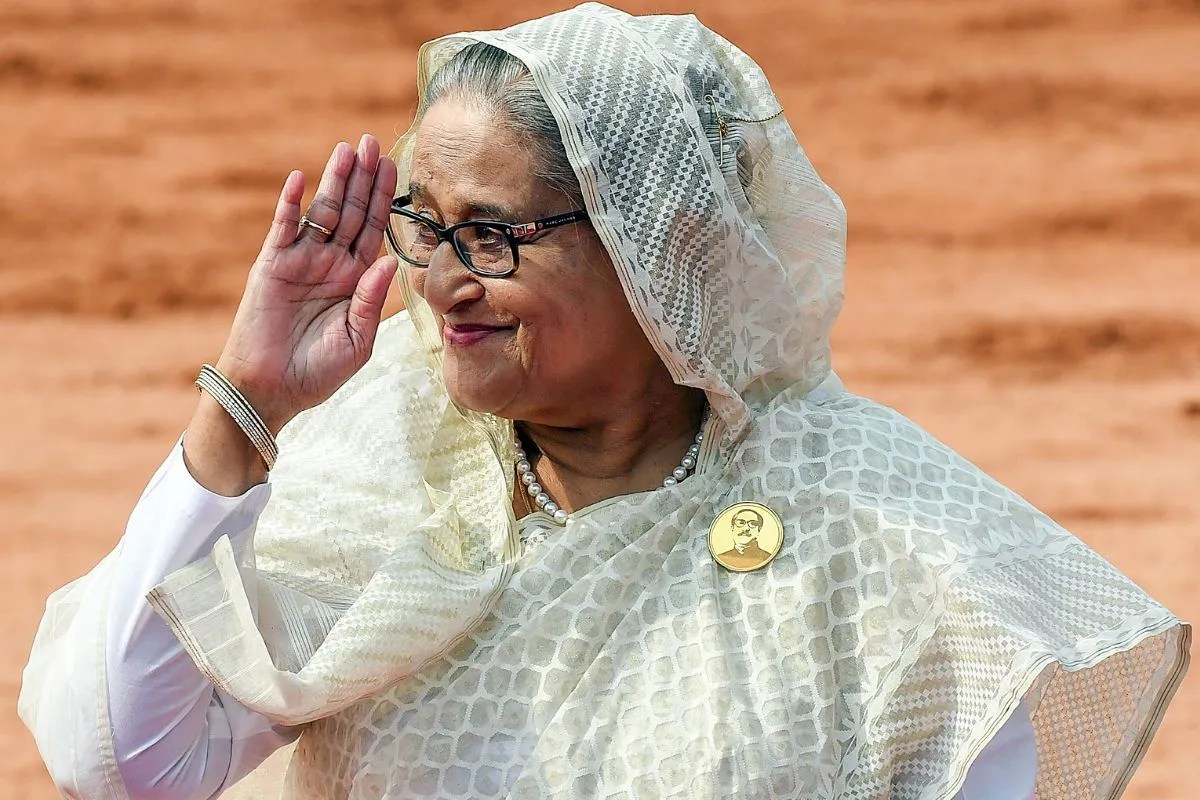
The prevailing diplomatic consensus assumes that extending an olive branch to Sheikh Hasina—promising full state protection if she ever returns to Dhaka—is a masterstroke of political magnanimity. Observers and mainstream analysts clap politely, praising the Tarique Rahman-led administration for displaying statecraft, maturity, and a commitment to reconciliation.
They are dangerously wrong.
Offering safe harbor or institutional protection to a deposed autocrat who left behind a legacy of blood, economic stagnation, and institutional decay is not statesmanship. It is political suicide disguised as virtue. By signaling that the architect of a fallen regime can return under the umbrella of state security, the current administration is not healing a fractured nation. It is importing a live grenade into the living room and hoping it does not detonate.
I have spent years watching transition governments in volatile democracies repeat the exact same procedural playbook: appease the old guard to calm international partners, alienate the revolutionary base, and watch the entire administration implode within eighteen months.
Let us dismantle the lazy consensus piece by piece.
The Myth of Graceful Reconciliation
The core premise of the current narrative goes like this: stability requires inclusion, and prosecuting or ostracizing a former leader creates a permanent cycle of retribution. Therefore, guarantee her safety, let her return as a private citizen or political actor, and move forward.
This sounds reasonable in a seminar room in Geneva. On the ground in Dhaka, it is structural madness.
Reconciliation only works when both sides acknowledge the baseline reality of past harm. Hasina’s inner circle has shown zero contrition. They view their ousting not as a democratic correction, but as a temporary interruption by unruly mobs. When you offer total protection to a faction that views your very existence as illegitimate, you are not showing strength. You are advertising vulnerability.
Imagine a scenario where Hasina steps off a tarmac in Dhaka under heavy armed guard provided by the very interim administration that replaced her. What happens to the millions of young protesters who bled on the asphalt to break her chokehold on the judiciary, the press, and the ballot box? They feel betrayed. They realize the elites made a deal behind closed doors while accountability took a back seat.
You do not build a sustainable republic by giving VIP treatment to the person who spent fifteen years dismantling its foundations.
The Institutional Hazard of Protecting the Untouchable
State protection is not a neutral administrative act. It requires deploying police, intelligence assets, and elite security details to shield a single individual.
Who controls those security forces? The same apparatus that spent a decade and a half turning a blind eye to extrajudicial killings, enforced disappearances, and financial looting. By prioritizing the physical security of Sheikh Hasina, the state diverts critical institutional bandwidth away from what actually matters: reforming the police, depoliticizing the courts, and stabilizing a banking sector bled dry by crony capitalism.
We need to be precise about what protection entails. It means maintaining safe houses, blocking public access routes, and risking violent clashes between loyalists and victims' families. Every single police officer assigned to guard a deposed dictator is a police officer not investigating structural corruption or stopping street crime.
The Tarique Rahman administration is falling into a trap laid by its own desire for international validation. Western capitals love the language of safety, transitional justice, and human rights for the fallen. But Western capitals do not have to live with the insurgency on the street when the public realizes justice was bartered for diplomatic applause.
The Economic Cost of Political Theater
Let us look at the cold, hard numbers of transition economics. Foreign direct investment does not flow into countries that signal they are one political sneeze away from reversing a revolution. Capital flees uncertainty.
When international investors read headlines about Hasina potentially returning under state protection, they do not see peace. They see instability. They see a country where the rules of the game can be rewritten overnight depending on backroom deals between dynastic political players.
The average citizen does not care about diplomatic optics. They care about the price of rice, the reliability of the power grid, and whether their children can speak freely without fear of the digital security act. Pushing resources toward protecting a polarizing political figure while ordinary citizens struggle with inflation is a profound allocation failure.
I have seen corporate boards pull out of developing markets overnight simply because the host government blinked during a political showdown. Appeasing the old guard signals that the institutional reset was fake. If the old guard can come back with a state-issued bodyguard, what stops the entire systemic machinery from sliding right back into authoritarianism?
What Should Happen Instead
If the administration wants to survive, it must abandon the fantasy of universal appeasement.
First, redefine transitional justice. True justice is not about revenge, nor is it about unearned immunity. It is about public, transparent legal accountability. If Hasina wishes to return, she should do so under the jurisdiction of independent courts, facing the exact same legal scrutiny as any citizen accused of massive systemic abuses. No red carpets. No state-funded royal treatment.
Second, stop playing to the gallery of foreign diplomats who understand nothing of local dynamics. The international community wants quiet, predictable stability, even if it is built on a rotten foundation. Refuse that comfort. Real stability is messy, confrontational, and requires siding with the victims of tyranny rather than its perpetrators.
Third, focus ruthlessly on institutional hygiene. Cleanse the judiciary. Audit the central bank. Prosecute corruption at the top. When the state proves it is strong enough to hold anyone accountable, it does not need to offer special protection to anyone.
The current path leads to a dead end. Offering protection to Sheikh Hasina is an admission that the revolution was incomplete, that power remains concentrated among untouchable elites, and that ordinary citizens are merely spectators in a game they paid for with their lives.
Tarique Rahman has a choice. He can play the old game of elite accommodation and watch his political capital evaporate, or he can break the cycle of impunity once and for all.
History does not remember the leaders who tried to please everyone. It remembers the ones who had the stomach to finish the job.