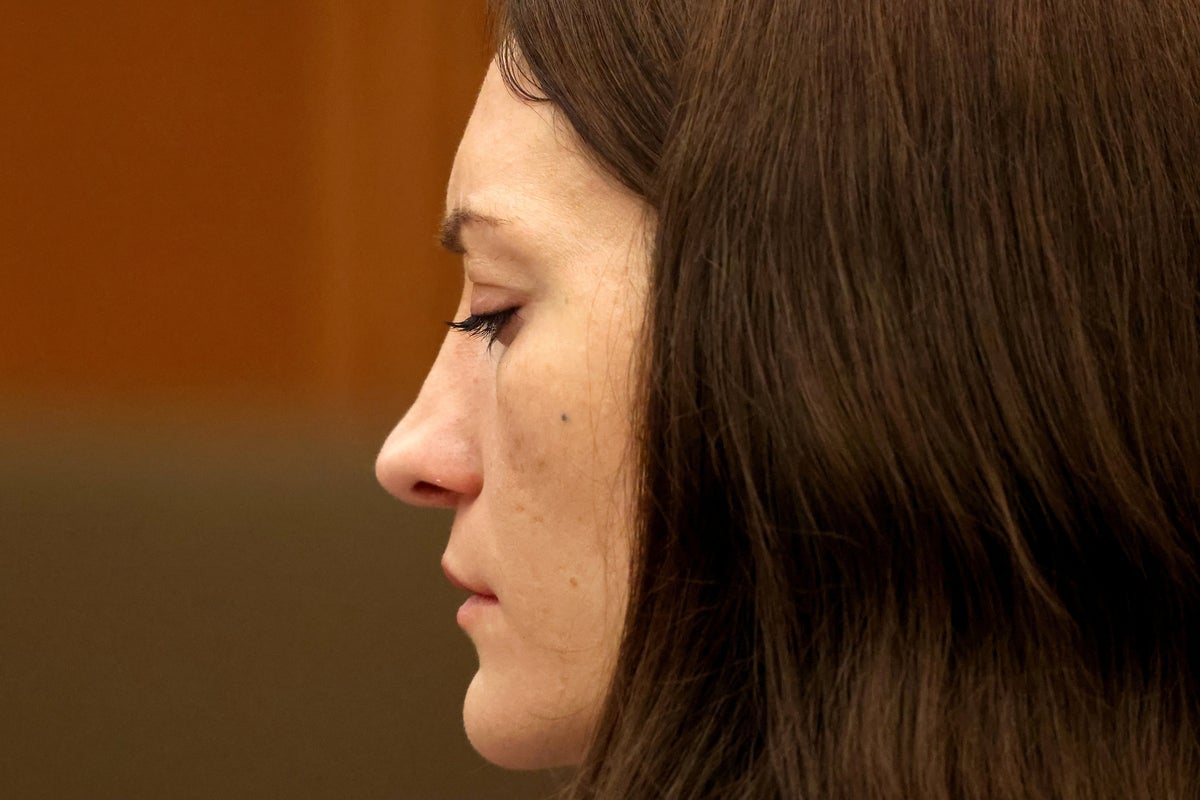
The audio file hits the courtroom speakers and the room stops breathing. A husband screams into a dispatcher phone, a life fracturing in real-time, the raw, unfiltered proof of an unimaginable domestic horror laid bare for public consumption. Within minutes, the clip is clipped, syndicated, scrubbed for algorithmic optimization, and fed into the 24-hour media machine. Millions hit play. Millions pass judgment.
The lazy consensus says this is transparency. We tell ourselves that broadcasting the agony of a shattered family serves justice, that playing every sob, every raw panic-attack audio, and every gruesome courtroom detail is the price of an open society.
It is not transparency. It is modern voyeurism disguised as civic duty.
We have turned the American judicial system into a Roman colosseum, and we are all complicit spectators holding our thumbs down.
The Algorithmic Commodification of Grief
Let us look at how the machinery actually operates. When high-profile trials involving severe mental health crises, infanticide, or domestic trauma hit the docket, newsrooms do not ask whether airing a 911 tape informs the public. They ask what the click-through rate will be.
Every time a media outlet runs a headline centered on a defendant sobbing or a spouse shrieking in terror, they are prioritizing emotional provocation over factual reporting. The legal question in a trial like this is rarely about whether the horrific event happened—the physical reality is usually undisputed. The legal battleground is almost entirely about mens rea, criminal intent, and the catastrophic failure of psychiatric intervention, specifically postpartum psychosis.
Yet the coverage ignores the complex pharmacology of severe psychiatric breaks. Instead, it reduces a systemic medical failure down to a daily soap opera episode.
I have watched public interest journalism degrade into a race for visceral reactions. When you package human devastation as entertainment, you strip the individuals involved of their remaining humanity. You turn a severe mental health catastrophe into true crime content for commute-time podcasts.
The Myth of Public Accountability
The primary defense for broadcasting every visceral second of a tragedy is accountability. The argument goes that the public has a right to see how justice is administered.
This argument collapses under scrutiny.
Public trials ensure that the state cannot conduct secret star-chamber proceedings. They guarantee that evidence is tested, witnesses are cross-examined, and judges remain tethered to the rule of law. But a public trial does not require the mass distribution of a grieving father's raw trauma to millions of disconnected strangers online.
There is a vast chasm between an open courtroom where citizens can sit on wooden benches to witness the state exercise its powers, and a global digital broadcast that turns a family's darkest hour into viral digital currency.
When you broadcast a 911 call where a man screams that his children are dead, you are not holding power to account. You are exploiting a man's worst moment for advertising impressions. You are transforming a psychiatric tragedy into a spectator sport.
The Dangerous Overssimplification of Mental Collapse
What makes the standard media narrative around these cases so dangerous is its insistence on flattening complex human pathology into a simple morality play.
The public wants villains and heroes. They want pure evil versus pure innocence. Human neurobiology refuses to cooperate with that lazy binary, especially when postpartum psychiatric illnesses are involved. Conditions like postpartum psychosis involve severe breaks with reality, delusions, and auditory hallucinations that completely dismantle a person's cognitive control.
When the media focuses relentlessly on the visceral courtroom drama—the sobbing, the shouting, the gruesome details of the act—it crowds out the actual medical reality. It prevents the public from understanding how medical systems fail mothers and families long before a 911 call is ever placed.
If we spent half the energy investigating the state of maternal psychiatric care that we spend dissecting a defendant's courtroom tears, we might actually prevent future tragedies. Instead, we prefer the theater. We prefer to point at a screen, declare someone a monster, and wash our hands of the underlying systemic rot.
The Real Cost of Outrage Addiction
We have built an information ecosystem that rewards outrage and penalizes nuance.
When a media outlet publishes a headline highlighting a defendant's emotional breakdown, they are triggering an ancient neurological response. We are hardwired to rubberneck at wreckage. We slow down on the highway to look at the crash.
The digital economy has monetized that evolutionary flaw.
Every click on a courtroom audio clip reinforces the feedback loop. The more we consume these intimate explosions of grief, the more the media feeds us. The standard for reporting sinks lower, pulling us further away from actual justice or public education.
We are not better informed by hearing a father scream. We are merely desensitized. We are training our collective psyche to view real human suffering as cheap content meant to fill the dead air between commercial breaks.
Stop clicking on the misery. Demand better from the institutions that report on it. Look past the tears on the screen and ask why the system broke down before the phone call was ever made.
Turn off the colosseum lights.