The air inside the Washington Hilton ballroom always tastes like ambition. It smells faintly of expensive dry cleaning, hairspray, and the collective anxiety of people who measure their self-worth in column inches and greenroom priority. On any given spring evening, this cavernous space transforms into a strange theater. Politicians pretend to possess thick skin. Journalists pretend they are not starstruck. Tuxedos crowd against cocktail dresses in a glittering sea of mutual dependency.
Then came the night the script tore down the middle. For an alternative perspective, consider: this related article.
Consider the baseline setup. For decades, the White House Correspondents Association dinner operated under a specific, unspoken social contract. It was an annual truce. The press corps would put aside the daily combat of subpoenas and leaks to break bread with the very officials they spent six days a week holding to the fire. A comedian would step up to the podium. Punches would be thrown, sure, but they were supposed to be cushioned by the comforting hum of elite camaraderie. Everyone was in on the joke.
Except, somewhere along the way, the joke broke. Further reporting on the subject has been published by Entertainment Weekly.
Picture a veteran reporter sitting near the back of the room, someone who spent thirty years chasing down bureaucratic corruption in windowless basement offices. For them, this banquet was never about the red carpet. It was an endurance test. You watch the flashbulbs pop. You listen to the deafening clatter of silverware against china. You feel the sharp disconnect between the Washington of polished glass and the America of grocery store receipts and forgotten zip codes.
That disconnect finally snapped into sharp relief during one particularly surreal evening.
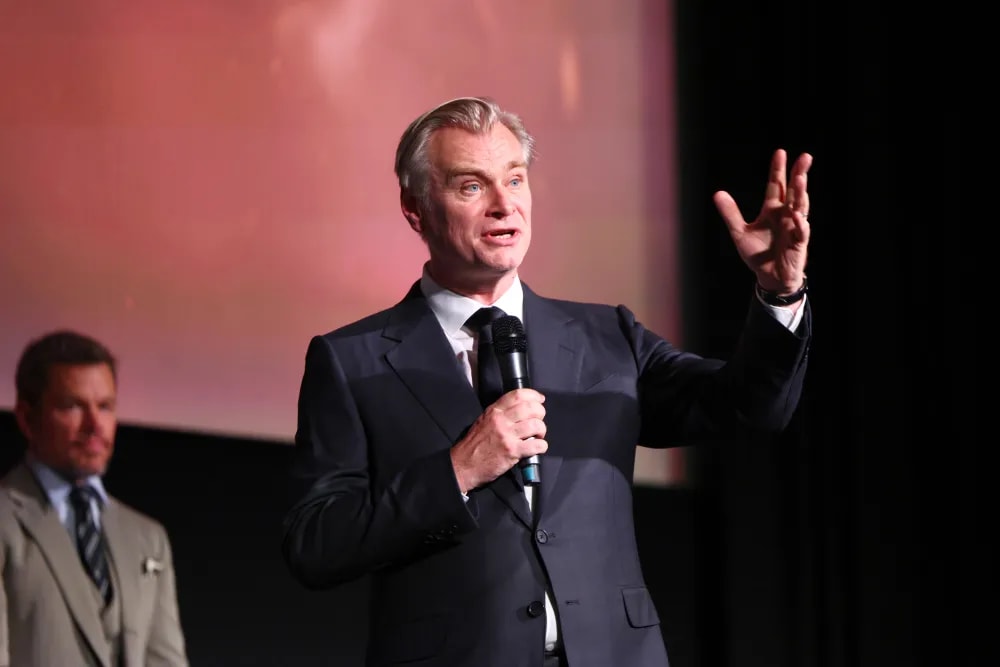
The room expected the usual choreography. A few self-deprecating jabs at the President. A gentle nod to the First Amendment. Some light ribbing about cable news ratings. Instead, the performance drifted into territory that left guests shifting uncomfortably in their seats, staring hard into their lukewarm beef tenderloin. The laughter did not roll through the ballroom in waves; it shattered, dying out in awkward, isolated pockets.
Why? Because the distance between the punchline and the reality of the country outside those hotel walls had grown too wide to bridge with a clever one-liner.
Walk down the hallway outside the main ballroom, and the illusion fades even faster. Staffers scurry with briefing binders. Producers whisper frantically into smartphones. The real work of democracy—the messy, grinding, unglamorous work of public accountability—does not happen under the glow of crystal chandeliers. It happens in cramped hearing rooms and through FOIA requests that take six months to yield a stack of heavily redacted PDFs.
When an annual dinner becomes more famous for its bizarre tone than for honoring student journalism scholarships, the gravity shifts.
The public watches from living rooms through glowing screens. They do not see an intimate gathering of truth-seekers. They see an exclusive club laughing at inside jokes while ordinary institutions struggle. That optical failure matters. Trust in the media is not lost in a single dramatic moment; it erodes slowly, meal by expensive meal, as the boundary between watchdog and courtier blurs beyond recognition.
The speeches end. The applause fades. The tuxedoed crowd spills out onto Connecticut Avenue into the cool night air, hailing cabs or sliding into waiting black SUVs. The ballroom lights go down.
Inside that quiet room, the lingering question remains. Can an institution that gathers to celebrate itself remember how to speak for everyone else?
The morning papers will try to spin it. The Sunday talk shows will parse every syllable for days. But out on the pavement, long after the last camera crew packs up its gear, the city keeps turning. The microphones are cold. The notebooks are blank. And the real story is waiting out there in the dark, entirely untouched by the applause.