Water is supposed to save you.
When you stand at the edge of the sea, the horizon offers a strange comfort. It is vast, indifferent, and cool. We board ships believing in steel, in floating compartments, in the ancient contract between human ingenuity and the open ocean. We trust that the hull will hold. We trust that fire belongs on land.
Then comes the smoke.
The Anatomy of a Midnight Panic
Picture a metal corridor. It smells of damp carpet, diesel exhaust, and salt. It is two in the morning. Most passengers are asleep, wrapped in thin blankets, their shoes kicked off beneath cramped bunks. Dreams are interrupted not by a sound, but by a smell. Something chemical. Something hot.
Electricity shorts out. The lights die, leaving behind an oily, pulsing red emergency glow.
Then, the shouting begins.
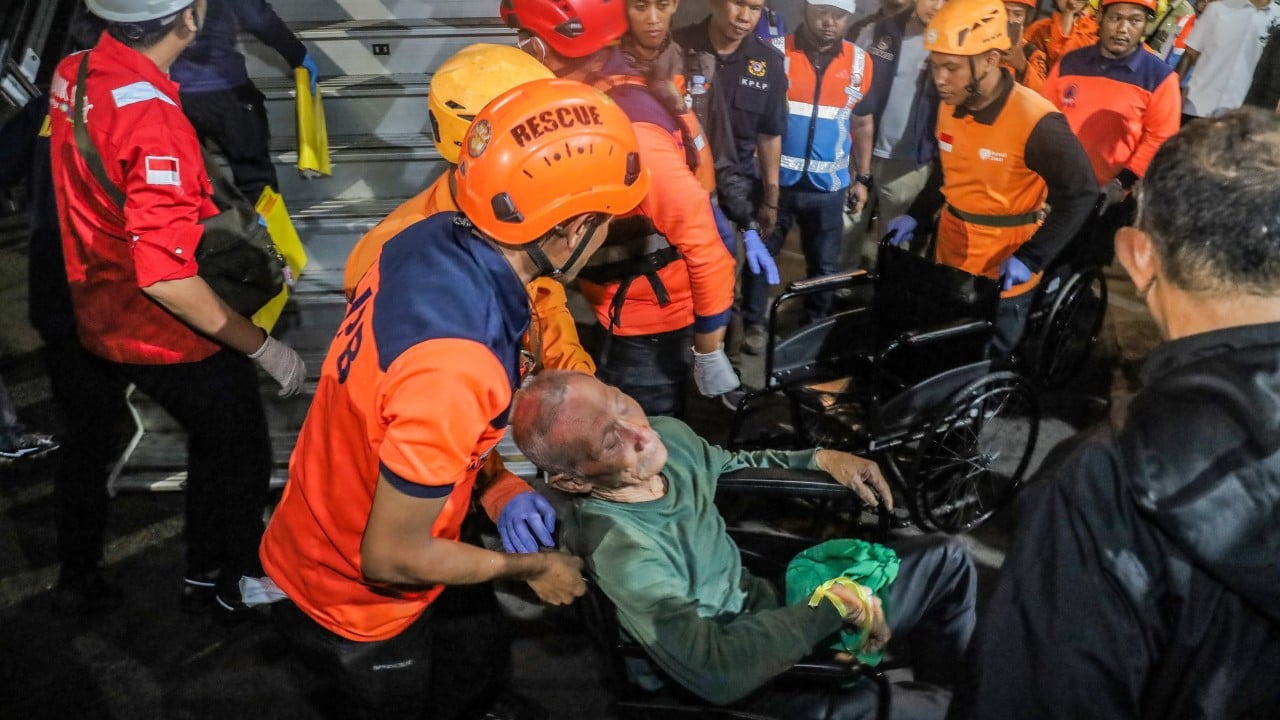
In maritime disasters, time does not move in minutes; it fractures into seconds of absolute terror followed by hours of numbing shock. Five lives were claimed on that Indonesian ferry when the flames took hold. Five distinct worlds—with families, favorite songs, unfinished letters, and grocery lists left on kitchen counters—snuffed out by a sudden inferno on the water. And behind that stark number lies a terrifying gray zone: an unknown count of souls still missing, swallowed by the dark swells or lost in the thick, toxic fog of burning interior fittings.
The human brain is not built to process catastrophe in the dark.
Why the Sea Remains Unforgiving
We live in an age of GPS tracking, satellite imagery, and automated distress signals. Yet, wooden and steel vessels continue to burn in the archipelagos of Southeast Asia with a tragic regularity. Why?
The answer lies in a dangerous mix of economics, oversight, and human vulnerability. Ferries are the lifeblood of island nations. They are the bridges made of iron that stitch together thousands of isolated communities. They carry merchants, students, families visiting relatives for holidays, and workers chasing a better wage. Because they are essential, they are often crowded far beyond safe margins.
When a fire breaks out on a vessel miles from the nearest coast, every second counts. But modern safety regulations are only as good as their enforcement. Overloaded passenger manifests mean that rescue crews looking out over the water never truly know how many names to cross off a list—or how many are still treading water, praying for a flashlight beam that hasn't reached them yet.
"A ship fire is a nightmare of physics. You are trapped on a floating island with limited oxygen, surrounded by a fuel source that can swallow you whole, and separated from safety by miles of freezing void."
The Weight of the Missing
Statistics are shields. They protect our minds from the raw, jagged edge of reality. We read that five people died, and our brains sigh with a quiet, detached relief: At least it wasn't fifty. That is the sickness of modern news consumption. We quantify grief.
Consider what a missing person actually means in the wake of a maritime disaster. It means a mother staring at an empty chair at breakfast, checking her phone every three minutes. It means harbor docks crowded with weeping relatives holding laminated photographs, begging harbor masters for news that refuses to come. It means rescue teams scanning miles of empty, indifferent waves where the surface reveals nothing of the secrets kept below.
The fire is extinguished. The hull is towed away, scarred and weeping black streaks of soot. But the missing remain suspended in an unbearable limbo, neither here nor gone, haunting the families who wait on the shore.
The Lessons Carried by the Tide
We cannot un-burn the night. We cannot give back the breath to those who found smoke instead of air on that Indonesian crossing.
What we can do is strip away our complacency. We can stop treating ferry safety as a bureaucratic footnote and start viewing it as a matter of fundamental human survival. Every time an overcrowded vessel slips past a harbor inspector, every time safety jackets are locked away or life rafts go unchecked, we are writing the script for the next midnight disaster.
The horizon remains. It is still vast, still indifferent, still cool. But the next time we step onto the deck of a ferry, feeling the gentle heave of the tide beneath our shoes, we should carry a sober awareness of the invisible stakes.
The water is deep. The night is long. And safety is something we must demand, long before the first spark touches the dark.