The boarding pass in Tariq’s hand felt heavier than paper had any right to feel. It was 2:00 AM at Indira Gandhi International Airport, the terminal humming with that peculiar, exhausted energy known only to overnight travelers. Families dozed on molded plastic chairs, children curled like question marks against carry-on bags, and overhead loudspeakers crackled with the rhythmic heartbeat of global transit: flight numbers, gate changes, final calls.
Tariq was heading back to Riyadh. For three years, the Saudi capital had been his workshop—a place of blistering heat, towering cranes, and concrete contracts where he worked as an electrical engineer, sending remittances back to a modest apartment in Delhi where his parents and young daughter lived. This trip home had been sacred: four days of wedding celebrations for his younger brother, crowded living rooms, the smell of cardamom tea, and the sweet weight of his daughter falling asleep on his chest.
Now, the gate screen flickered.
The familiar flight code blinked, paused, and then vanished. Beneath it, a red advisory appeared, stark and unyielding. Suspended.
Across the subcontinent, at desks in Mumbai, Bengaluru, and Kochi, similar scenes played out in silence. In corporate offices and airline operations centers, coffee cups went cold. Phones buzzed with urgent dispatches from the Middle East. A Houthi strike had pierced the airspace over the Saudi capital, shattering the fragile illusion of routine safety that keeps millions of migrant workers, business travelers, and families moving across the Arabian Gulf every single day.
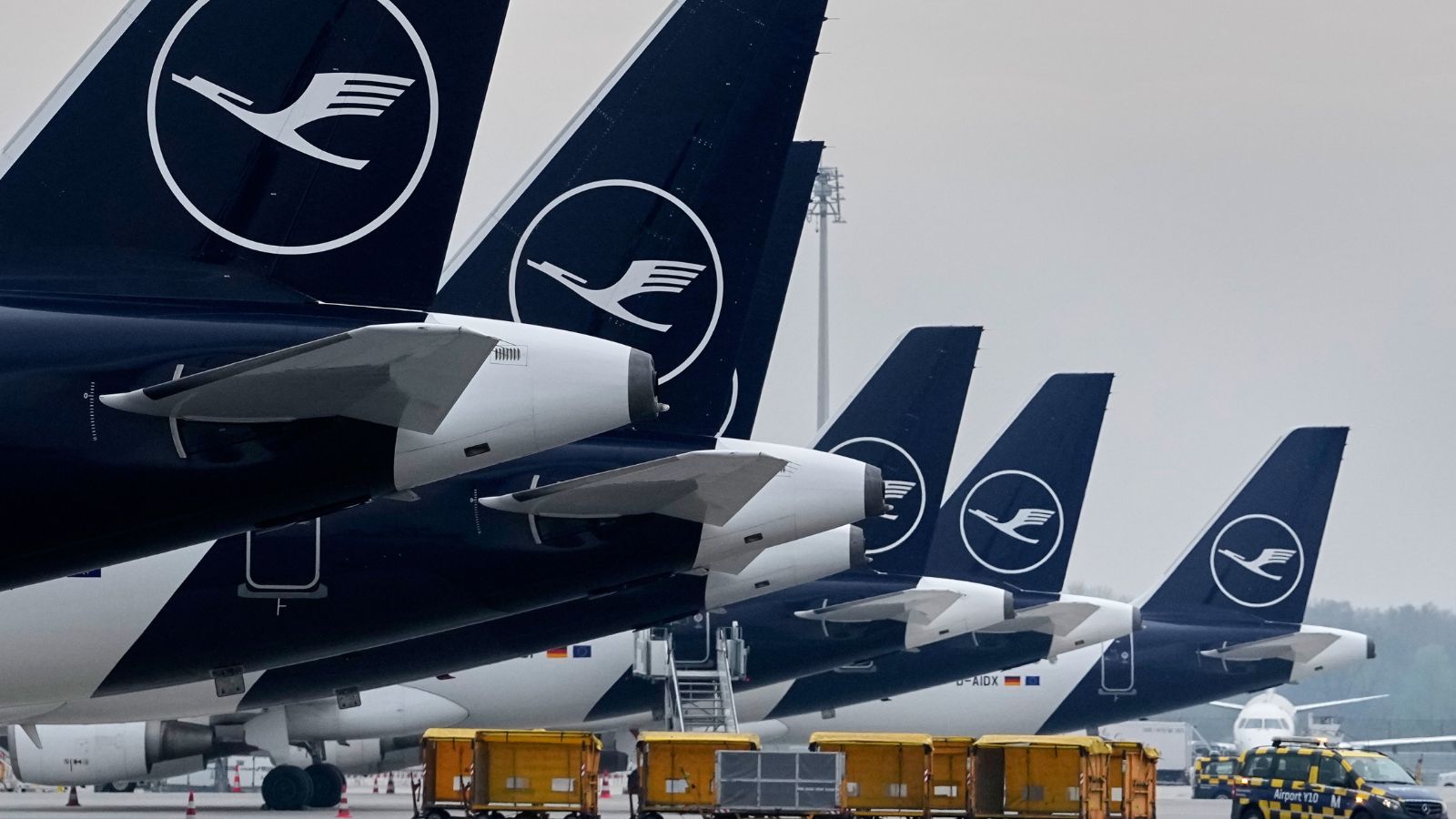
Air India, IndiGo, and Akasa Air did not hesitate. Within hours, the decision came down from command centers: flights halted. The steel umbilical cords linking India to Riyadh were abruptly severed.
To read a news ticker is to see dry coordinates and political posturing. To stand at a departure gate with a passport in your hand is to feel the floor drop out from under your life.
Consider what happens when the sky closes.
We forget how fragile the architecture of modern mobility truly is. We treat international flight routes like paved highways, permanent and unchanging, carved into the upper atmosphere by sheer human stubbornness. We book a ticket three weeks out, slide our tray tables into the upright position, and expect to materialize three thousand miles away in time for breakfast.
We rarely think about the invisible geography beneath us.
Riyadh sits at the heart of the Arabian Peninsula, a sprawling metropolis of over seven million people, fueled by ambition, oil, finance, and the labor of millions of expatriates. For India, the connection is visceral. Millions of Indian citizens live and work across the Gulf, forming a human bridge of remittances, cultural exchange, and familial sacrifice that sustains countless towns and villages from Kerala to Punjab.
When a missile arcs across an evening sky, it does not just threaten concrete and glass. It tears through that human bridge.
The immediate calculus of the airline suspensions was terrifyingly simple. Commercial airliners are not armored convoy vehicles. They are pressurized tubes carrying hundreds of civilians, cruising at thirty-five thousand feet at six hundred miles per hour. When surface-to-air threats or ballistic projectiles become active variables in a regional conflict, the risk calculus shifts in seconds. Insurance underwriters panic. Risk assessment teams stare at radar screens and satellite feeds, watching the airspace fracture into hostile zones.
For the airlines, grounding a fleet is an expensive, logistical nightmare involving stranded aircraft, displaced crew rotations, and millions in lost revenue. But for the human beings whose lives are mid-transit, it is an existential freeze.
Tariq sat on his suitcase, staring at the blank departure board. His employer in Riyadh expected him back on the site by Saturday morning. His visa had specific re-entry windows. If he overstayed his leave by even a few days due to circumstances beyond his control, the bureaucratic labyrinth could threaten his residency status. And yet, boarding a flight into a contested airspace was not an option either.
He was suspended between two worlds, much like the planes grounded on the tarmac outside.
The modern world relies on a staggering amount of invisible coordination. We marvel at the technology that allows a Boeing 787 to cross the Arabian Sea, but we rarely appreciate the intricate web of diplomacy, intelligence, and mutual trust required to keep those corridors open. Aviation is perhaps the ultimate manifestation of human optimism. It requires nations at odds, or at best uneasy neighbors, to agree on protocols, radio frequencies, and safe passage.
When conflict erupts, that trust evaporates overnight.
The Houthi movement’s escalating campaign targeting infrastructure in the region has long cast a long shadow over the southern Arabian Peninsula. While Saudi air defenses possess sophisticated interceptor capabilities— Patriot batteries and advanced radar networks that track incoming threats with chilling precision—the margin for error in modern aerial warfare is measured in fractions of seconds. A stray fragment, a misdirected decoy, or an electronic warfare jamming signal can turn a routine transit corridor into a lethal hazard zone.
Airlines know this. Regulators know this.
Which is why the suspension orders were swift. Safety protocols are written in the blood of past tragedies. Every time an aviation authority grounds flights over a conflict zone, they are acknowledging a grim historical truth: civilian aircraft have a tragic history of being in the wrong place at the wrong time when regional wars spill upward into the jet stream.
But acknowledging the logic does not make the waiting room any quieter.
Hours turned into a full day at the airport. Tariq met others facing the same suspension. There was a young nurse traveling back to her hospital post in Riyadh, her hands trembling slightly as she tried to call her head nurse over a patchy roaming connection. There were construction contractors carrying blueprints in cardboard tubes, their projects left hanging in the balance. There were older men returning from visiting grandchildren, their eyes heavy with the exhaustion of elderly travelers trapped in bureaucratic limbo.
They shared stale tea from paper cups and swapped rumors picked up from Twitter feeds and news channels playing on muted overhead monitors.
Did you hear? Another interception.
No, that was Yemen. This was closer.
How long will they keep us grounded? Three days? A week?
Nobody knew. That was the most agonizing part. There was no timeline, no neat projection of when the skies would clear. There was only the horizon—vast, blue, and temporarily forbidden.
We live in an era that worships speed. We demand instant connectivity, same-day delivery, and real-time updates. We are deeply uncomfortable with pause buttons. When a geopolitical crisis presses that pause button on a mass scale, it forces us to confront our own vulnerability. We are reminded that civilization is not a permanent fixture of nature; it is a fragile agreement we maintain day by day, flight by flight, handshake by handshake.
The grounded flights at Indian airports were just one localized ripple in a much wider storm. Across international carriers, flight paths were hastily redrawn. Aircrews were ordered to loop north, burning extra thousands of gallons of jet fuel, adding hours to itineraries, and straining operational budgets. Passengers flying between Europe, India, and the Gulf found themselves rerouted through alternative hubs, crammed into connecting flights, or sleeping on terminal floors in Dubai, Doha, and Muscat.
The economics of travel adjusted in real time. Ticket prices for remaining open corridors spiked instantly, turning a standard commute into a luxury item accessible only to those with deep corporate backing. For independent workers and low-income laborers, the cost of waiting out the suspension in airport hotels or booking alternative routing was financially catastrophic.
Yet, beneath the economic strain and the political maneuvering, the core of the story remained human.
By the third day, Tariq managed to secure a seat on a circuitous route—flying east before looping wide around the southern perimeter of the danger zones, a marathon twenty-hour journey for what should have been a four-hour direct hop. As the aircraft finally lifted off the tarmac, climbing away from the lights of Delhi, he pressed his forehead against the cool plastic of the window.
Below him, the earth dissolved into darkness. Above him, the stars burned with indifferent brilliance.
The plane banked westward, tracing a wide, cautious arc through the upper night, avoiding the old, familiar shortcuts that war had temporarily closed. Down below, millions of people slept under a sky that had recently become a battlefield, carrying on with the quiet, resilient rhythm of everyday life despite the steel screaming through the clouds.
The flights would eventually resume. Schedules would normalize. The news cycle would inevitably drift toward the next crisis, the next headline, the next breaking alert on our glowing screens.
But for those who sat in the terminals, watching the red suspension notices flash against the dark glass, the sky would never look quite the same again. It is no longer just a highway home. It is a fragile ceiling, holding back the dark, waiting for the world to learn how to keep the peace.



