The coffee in the plastic cup had gone cold hours ago, but nobody in the subterranean command center in Tehran was drinking it anyway. It was past midnight. Outside, the capital was quiet, wrapped in the deceptive peace of a desert night. Inside, the walls hummed with the high-voltage drone of servers tracking a conflict that had officially crossed the point of no return.
For months, the phrases had bounced around global news studios like bloodless abstractions: "strategic deterrence," "coalition dynamics," and "proportional response." But when the radar screens lit up with telemetry from a multi-front airstrike, those abstractions dissolved into the smell of burning electronics and the sharp, collective intake of breath. The United States and Israel had launched a coordinated assault. The missiles were real. The targets were concrete.
But as the smoke cleared over decimated radar installations and scorched tarmac, the real war shifted from the physical realm to something far more dangerous: information.
Tehran did not just count the craters. They counted the digital signatures left behind in the ether.
The Digital Fingerprints in the Sand
A missile does not fly in a vacuum. To strike a target deep inside a heavily defended nation, a strike package requires a vast, invisible web of logistical and intelligence infrastructure. It needs airspace permissions. It needs radar coordination. It needs emergency diversion strips, localized weather data, and mid-air refueling tracks.
When America and Israel struck, they relied on a silent syndicate of regional partners who believed their complicity would remain buried under layers of classified military signals.
They were wrong.
Consider a hypothetical air traffic controller in a neutral neighboring capital—let us call him Yusuf. As the strike unfolded, Yusuf watched his civilian radar screen blink out in a localized electronic warfare blackout. To the untrained eye, it was a glitch. To military intelligence, it was a blinking neon sign showing exactly which regional capitals turned a blind eye—or actively flipped the switch—to let hostile jets scream across their borders.
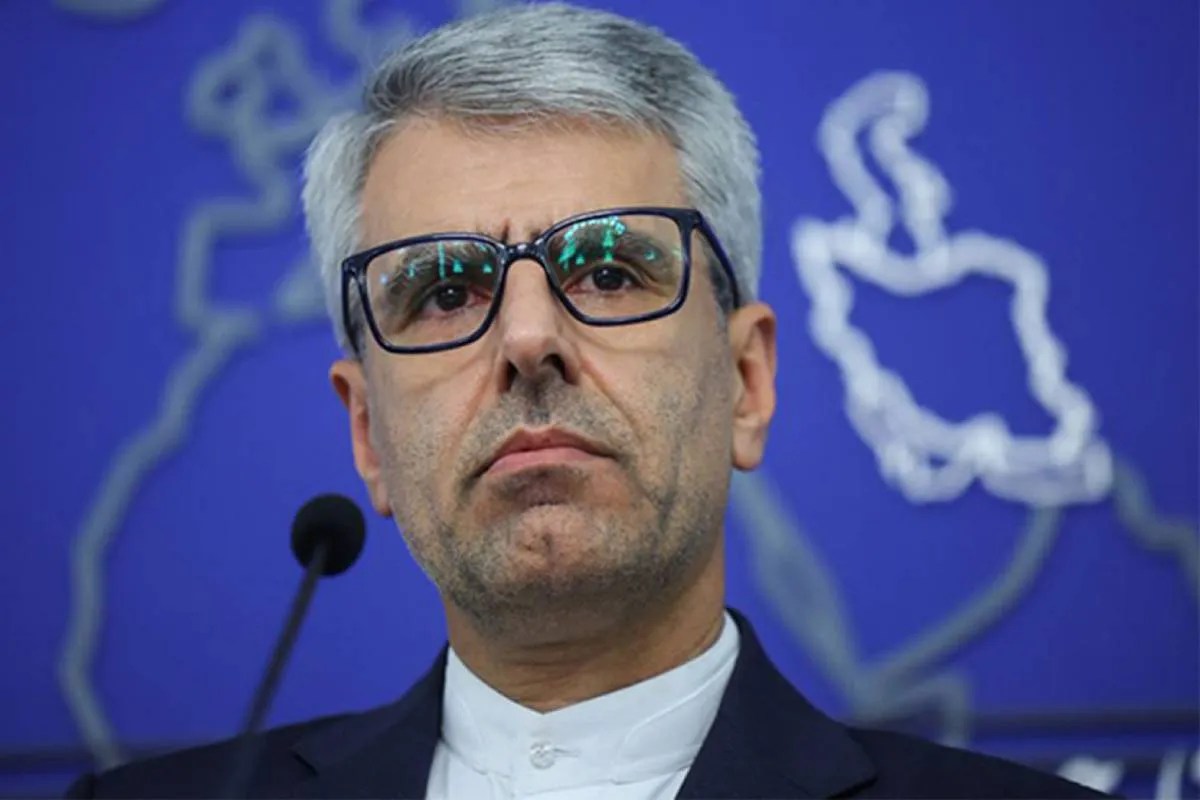
The Iranian regime lost no time in making it clear that they had been watching Yusuf’s screens, too. Within hours of the dust settling, Iranian military spokesmen went on state television, their voices steady, holding an invisible ledger. They announced to the world, and more importantly to their neighbors, that they possessed undeniable proof of which countries had facilitated the attack.
This was not a vague rhetorical bluster. It was an intelligence audit. Tehran was telling the world that the secret handshake of Middle Eastern diplomacy had just been recorded in high definition.
The Cost of a Quiet Nod
The geopolitical reality of the modern Middle East is built on a tightrope. On one side is the public posture: fiery speeches at the United Nations, declarations of regional solidarity, and promises to defend Islamic sovereignty. On the other side is the private reality: backroom deals whispered in air-conditioned suites in Riyadh, Amman, and Abu Dhabi, where survival often means holding America's coat while it swings a fist.
For years, this double game worked. A nation could condemn military aggression on the front page of its state newspaper while quietly allowing an American KC-135 tanker to refuel an Israeli F-35 in its upper atmosphere.
But the moment Tehran claimed to have the receipts, that tightrope snapped.
When Iran warns of "consequences," it is not necessarily threatening to rain ballistic missiles down on every capital that assisted the coalition. The threat is far more psychological. By revealing that they know who helped, Iran is threatening to strip away the mask of neutrality that keeps these regimes stable. If the domestic populations of these assisting nations discover their leaders actively paved the way for a Western-backed assault on a neighbor, the internal political friction could be catastrophic.
The stakes are no longer just about military hardware. They are about the survival of thrones and parliaments.
The Echoes in the Dark
Walk through the bazaars of Isfahan or the crowded streets of any regional capital today, and you can feel the heavy, suffocating weight of the uncertainty. The merchant selling saffron does not care about the radar cross-section of a stealth fighter. He cares about whether his supply chains will vanish tomorrow if the Persian Gulf becomes a no-go zone. The mother putting her children to bed listens to the hum of distant commercial flights, wondering if the next sound will be the low, terrifying rumble of a drone engine.
The tragedy of modern warfare is that the decisions are made by men in pristine uniforms sitting in windowless rooms, but the debt is paid in the currency of civilian anxiety.
Iran's strategy now is to weaponize that anxiety, turning it back onto the coalition’s quiet partners. By keeping the specific names of the complicit countries close to their chest while loudly proclaiming they have the evidence, Tehran has created a geopolitical panopticon. Every neighbor is now looking over their shoulder, wondering if their specific secret is about to be leaked to a volatile public.
It is a masterful, terrifying display of political leverage.
The physical battle of the US-Israel-Iran war may have paused when the last jet returned to its carrier deck, but the narrative war is just beginning. The true frontline is no longer a line drawn in the desert sand. It is the ledger of complicity currently sitting on a desk in Tehran, waiting for the precise moment to be turned over for the world to see.
The sky has gone dark again over the Gulf, but nobody is sleeping. They are all just waiting to see whose name gets read aloud first when the music stops.


