Darkness has a sound before it has a shape.
In the coastal panhandle of Florida, long before the first transformer blows with a sharp, electric blue zip, the air changes. It grows heavy, saturated with the frantic humidity of a tropical system losing its breath over land. Then, the hum of the refrigerator dies. The ceiling fan winds down from a frantic blur to a lazy, protesting tick, and finally, stops.
Silence.
For thousands of residents bracing for the arrival of Isaias as it crawls northward, that silence is the beginning of a familiar, exhausting ritual. You feel for the flashlight on the counter, the one with the batteries you swore you checked last November. You listen to the rising wind clawing at the windowpanes, pushing sheets of rain sideways across the porch.
Storms like Isaias do not arrive as monolithic walls of destruction. They are erratic, breathing beasts that stutter across maps, dropping punches where people least expect them. When Isaias tracked from the sun-bleached coasts of Florida and Alabama toward the shadowed ridges of the Appalachians and the sprawling humidity of the Mid-Atlantic, it left a trail defined not just by wind speeds, but by the quiet vulnerability of ordinary life interrupted.
Consider what happens in a suburban kitchen when the grid fails.
Elena, living just outside a coastal Alabama town that has weathered its share of June and August tempests, knows the rhythm well. When the power blinks out, her phone instantly becomes a precious, dwindling resource. Every percentage point dropping from the screen feels like sand running through an hourglass. She checks the local weather updates, watching the radar loop show the persistent, swirling bands of Isaias stretching hundreds of miles inland, punching far beyond the immediate coastline.
People think hurricanes are coastal problems. They build houses on stilts, stock up on bottled water by the beach, and think they have outsmarted the water.
They forget about the trees.
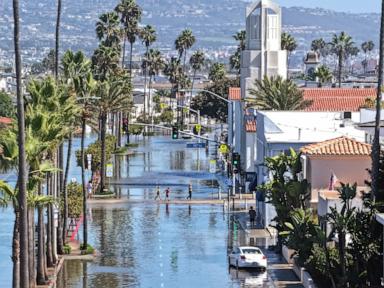
Farther north, as Isaias lost its technical hurricane classification and transformed into a fast-moving, water-laden tropical storm pushing up through the Appalachian chain, the real hazard shifted from storm surge to sheer gravity and saturated earth. Imagine standing on a porch in western North Carolina or rural Virginia. The soil is already slick, heavy from days of pre-cursor rain. The root systems of ancient oaks and maples are holding onto mud that is turning to soup.
When winds gusting at tropical-storm force hit those ridgelines, the trees do not bend; they snap or uproot entirely. And when they fall, they take the aluminum arteries of modern civilization with them.
Power lines are fragile things. We treat electricity like an invisible birthright, something that flows eternally from the wall, clean and unquestioned. We forget that it is actually held together by wooden poles, thin wires, and human labor performed in the middle of a torrential downpour.
By the time Isaias pushed its wet shoulder into the Mid-Atlantic states—sweeping past the Carolinas and aiming toward the dense corridors of Maryland, Pennsylvania, and New Jersey—hundreds of thousands of homes and businesses were sitting in the dark.
In the control rooms of utility companies, the atmosphere is its own kind of storm.
Screens flash red. Maps of regional grids light up like switchboards under attack. Dispatchers field frantic calls from hospitals, elderly residents dependent on oxygen concentrators, and parents trying to keep formula cold in melting freezers. The math is brutal: thousands of separate outages scattered across hundreds of miles of mountainous terrain and flooded lowlands, and only a finite number of bucket trucks and linemen to fix them.
We talk about infrastructure as a political talking point. We debate budgets in air-conditioned rooms miles away from the coast. But infrastructure is deeply personal when you are sitting on your front porch at two in the morning, swatting mosquitoes, watching the flashlight beam cut a weak yellow path through the muggy dark, wondering if the grocery store down the road will have power tomorrow morning to keep the milk cold.
Line crews know this better than anyone.
Hypothetically, picture Marcus, a veteran lineman with fifteen years on the job. He has spent his career chasing storms. When Isaias tore through the interior, Marcus was already staged miles away, waiting for the winds to drop below safe operating thresholds. The moment the all-clear is sounded—long before the rain stops falling—his truck is rolling.
Working in a storm aftermath is a masterclass in calculated exhaustion. The ground beneath your boots is unstable. Live wires hide in standing puddles of water, looking deceptively calm. Above you, broken limbs hang suspended in the canopy, waiting for a stray gust to drop them like timber onto the cab of your truck. You work in silence broken only by the roar of portable generators starting up in neighboring yards—the ubiquitous, rhythmic thrumming soundtrack of post-storm America.
Marcus climbs the pole not because it is heroic, though it is, but because a community cannot function when the blood stops pumping through its copper veins. Traffic lights are dead, turning major intersections into games of chicken. Gas pumps won't turn. Water treatment plants rely on backup generators that burn diesel by the barrel.
Every hour the power stays off compounds the invisible toll.
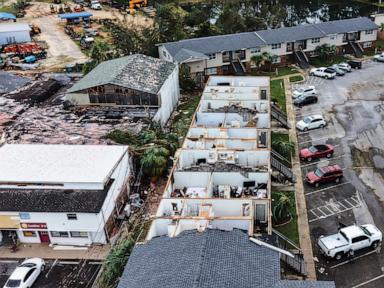
As Isaias finally tracked out over the Atlantic, leaving a wake of downed timber, flooded basements, and sweating neighborhoods from the Deep South to New England, the physical cleanup began. Bulldozers pushed aside debris. Chainsaws buzzed through fallen trunks, turning century-old hardwoods into neat piles of firewood beside suburban curbs.
Yet the true measure of such a storm is found in the spaces between the statistics. It is measured in the neighbor who brings an extension cord across the property line so the family next door can plug in a refrigerator. It is measured in the line workers eating cold sandwiches off the hood of a truck at midnight, miles from their own families.
We build our lives along these fault lines of geography and climate, settling proudly beneath ancient trees and along vulnerable coasts. We chase the beauty of the landscape while underestimating its raw, indifferent power.
When the lights finally flicker back on—when the refrigerator motor whirs to life with a sudden, violent shudder and the digital clock on the microwave starts flashing its blinking zeros—there is a collective, silent exhale across entire counties. The grid holds. Until the next time the air grows heavy, the wind shifts, and the world holds its breath in the dark.