The coffee in the galley of the MT Abut was likely cold, forgotten on a stainless steel counter as the vessel hummed through the oily calm of the Gulf of Oman. It was just after midnight. For the crew, the proximity to Dubai usually meant the comforting glow of a city that never sleeps, a skyline of glass and ambition shimmering just over the horizon. But at 25 nautical miles out, the silence of the sea is deceptive. It isn't a void; it’s a pressure cooker.
Then came the sound.
It wasn’t the cinematic roar of a Hollywood explosion. It was a dull, bone-shaking thud that vibrated through the hull, rattling the teeth of men sleeping in their bunks. In an instant, the routine of a commercial transit evaporated. High-octane panic replaced the rhythmic drone of the engines. Smoke began to curl against the moonlight, and the "shipping lanes" of the world—those invisible highways that keep your lights on and your car moving—suddenly felt like a gauntlet.
Iran had struck again.
The Invisible Strings of the Global Ledger
When we read headlines about tankers being hit off the coast of the UAE, our brains tend to filter the information through a lens of distant geopolitics. We see maps with red arrows. We hear names of ministries. We treat it like a chess game played by giants in windowless rooms.
The reality is much smaller, and much heavier.
Think of a supertanker not as a boat, but as a floating city block filled with the lifeblood of the modern world. When a projectile—likely a drone or a limpet mine—tears into that steel skin, it doesn’t just puncture a hull. It punctures the global economy’s sense of security. Imagine you are a maritime insurance underwriter in London. You are sitting at a mahogany desk, and your phone chirps. A ship you’ve covered, a ship carrying two million barrels of crude, is dead in the water.
In that moment, the "risk premium" isn't a line item on a spreadsheet. It is a physical weight. Every strike in these waters adds a cent to the gallon of gas in Ohio, a dollar to the cost of shipping a container of electronics to Hamburg, and a layer of fear to every sailor currently steering a vessel through the Strait of Hormuz.
The numbers are staggering, yet they fail to capture the tension. Roughly 20% of the world’s liquid petroleum passes through this narrow choke point. It is the jugular vein of civilization. When Iran flexes its muscle here, it isn’t just fighting a local war; it is reminding the world that it holds the knife to that vein.
A Ghost in the Engine Room
To understand the stakes, consider a hypothetical engineer named Elias. Elias has spent twenty years on the water. He knows the sound of every valve, the temperament of every piston. On the night of the attack, Elias isn't thinking about the Revolutionary Guard or the intricacies of the JCPOA.
He is thinking about the fire suppression system.
He is thinking about the fact that he is standing on top of enough volatile energy to level a small city. The "human element" in these conflicts is often ignored in favor of satellite imagery and diplomatic statements. But for the thousands of sailors currently traversing the Gulf, the war is intimate. It smells of salt and burning diesel.
The strategy behind these hits is a masterclass in psychological attrition. By targeting a tanker off Dubai—one of the world’s busiest maritime hubs—Iran sends a message that no zone is "safe." They aren't looking for a total war; they are looking for leverage. They want to prove that the cost of ignoring them is higher than the cost of negotiating with them.
It is a slow-motion siege.
The Arithmetic of Aggression
Why now? Why this ship?
The conflict isn't contained to a single front. While the world watches the shifting borders of land wars, the maritime front is where the real pressure is applied. Land wars are expensive and messy. Sea strikes are surgical, deniable, and devastatingly effective at spooking the markets.
Consider the logistics of a modern tanker.
- The Hull: Double-layered steel designed to withstand the ocean, not explosives.
- The Cargo: Millions of gallons of crude oil, valued at hundreds of millions of dollars.
- The Crew: Usually twenty to thirty individuals from diverse backgrounds, caught in the crossfire of nations they may have never visited.
When the MT Abut was hit, it wasn't just an act of war. It was a disruption of the "Just-in-Time" delivery system that the world relies on. We live in a society that assumes the shelf will always be full and the pump will always flow. We have outsourced our stability to a network of ships and pipes that are increasingly vulnerable to the whims of regional powers.
The "invisible stakes" are the loss of trust. Once the shipping industry decides a route is too dangerous, the ships stop coming. Or, more likely, they start charging a "war risk" fee that is passed directly to you. You pay for that drone strike every time you buy a loaf of bread that was transported by a truck that burned more expensive fuel.
The Copper Horizon
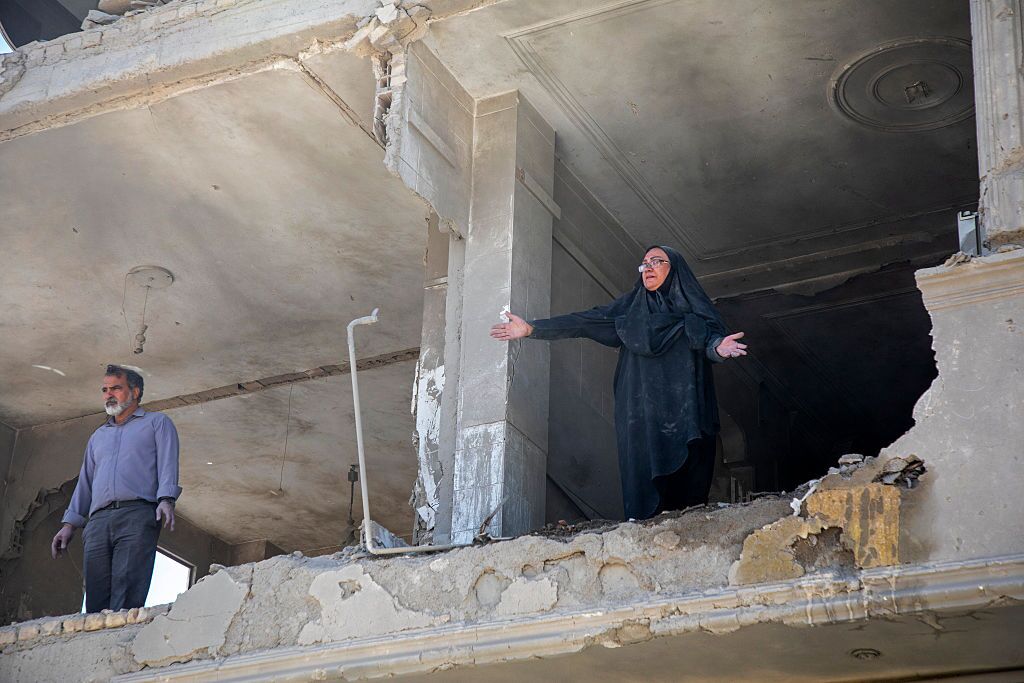
The fire on the tanker was eventually contained. The crew survived, this time. But the horizon off the coast of Dubai remains a strange, bruised copper color.
We often talk about "freedom of navigation" as if it’s a natural law, like gravity. It isn't. It’s an expensive, fragile agreement maintained by a dwindling sense of international order. When that order breaks down, we don't just lose oil; we lose the predictability that allows modern life to function.
As the sun rose over the Gulf the morning after the hit, other tankers continued their slow, steady crawl toward the horizon. They have no choice. The world needs the oil. But the men on the bridges of those ships were looking at the water a little differently. They weren't looking for dolphins or debris.
They were looking for a shadow in the water, a drone in the sky, or the moment the quiet would end again.
The ship is a mountain of steel. The ocean is an infinite blue. But the peace between them is as thin as a sheet of paper, and someone is holding a match.