The coffee in Berlin political backrooms tastes like lukewarm ambition and old paper. Outside, the autumn wind strips the linden trees bare along the Spree, carrying the damp scent of a city that feels, with a quiet and growing dread, like it is coming unmoored.
On a Tuesday evening that felt like any other, the arithmetic of German power fractured.
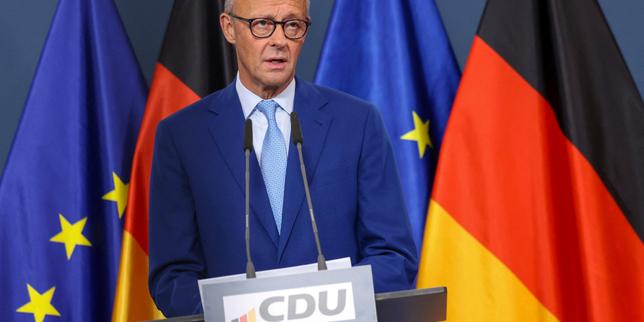
For months, the trajectory was supposed to be neat. Friedrich Merz, the sharp-angled, silver-haired corporate lawyer who had spent two decades waiting in the wings for his moment at the helm of the Christian Democratic Union, was meant to be the steady hand on the wheel. He was the architect of the conservative resurrection, the man who promised a return to economic pragmatism, fiscal discipline, and a Germany that worked the way it used to. But history, it turns out, has a cruel sense of irony. In regional and local electoral testing grounds, the CDU under his banner didn't just stumble. It hit a historic wall.
To understand why this matters, you have to step away from the polished oak tables of the Bundestag and walk down a cobblestone street in a small town in Saxony or Thuringia.
Imagine Thomas, a fifty-two-year-old machinist who has spent thirty years keeping a medium-sized manufacturing plant running. His hands are calloused, his skin bears the faint, permanent grey grease of machine oil, and his kitchen table is piled high with energy bills that have doubled in two years. Thomas isn't an ideologue. He doesn't read political theory pamphlets before bed. He reads the bill, looks at his paycheck, and feels a cold, hollow knot form in his stomach.
When Thomas votes, he isn't casting a ballot for abstract geopolitical stability or transatlantic alliances. He is voting because he feels invisible.
And that is precisely where the grand strategy of modern German conservatism collided with reality.
For years, the political establishment—regardless of party color—operated on a comfortable consensus. They believed that if you manage the macroeconomics well, if the export numbers look respectable and the European treaties are signed with the proper fountain pens, the population will follow. They treated politics as an accounting exercise.
Merz represents the peak of that administrative mindset. He speaks the fluent, technocratic language of corporate boards and tax codes. But the people waiting in line at the bakeries in eastern Germany do not speak corporate board. They speak the language of anxiety.
To trace how we arrived at this historic defeat, we have to look backward at the quiet erosion of trust.
Germany’s post-war identity was built on an unspoken contract: work hard, play by the rules, and the state will guarantee your security, your healthcare, your pension, and a predictable future. That contract didn't break overnight. It frayed slowly, stitch by stitch. It frayed when the local train lines were canceled day after day. It frayed when digital infrastructure remained stuck in the nineties while the rest of the world accelerated. It frayed when inflation ate the savings of people who did everything right.
When Merz stepped up to offer a conservative alternative to the reigning traffic-light coalition of the SPD, Greens, and FDP, voters were looking for a rescue boat. Instead, they felt they were being offered a different captain for a ship that was already taking on water.
The conservative campaign banked heavily on the exhaustion of the current government. It is a classic political gamble: make the opponent so unpalatable that people turn to you by default. But default is a fragile foundation. When you build a victory on the mere fatigue of others, the moment you are tested, the voters realize you haven't actually offered them a destination. You've only offered them a change of scenery on a sinking vessel.
Consider what happened in the polling booths.
The traditional bastions of center-right power began to wobble. In regions where the CDU once commanded absolute loyalty, voters peeled away in droves. Some drifted toward populist alternatives on the fringes—movements that feed directly on grievance, offering simple, explosive answers to impossibly complex global problems. Others simply stayed home, swallowed by a profound, listless apathy that is far more dangerous to a democracy than outright anger. Anger at least cares enough to scream. Apathy just turns out the lights and locks the door.
The historic nature of this defeat lies not merely in the percentage points lost, though the numbers are stark enough to make veteran party strategists sweat through their woolen suits. It lies in the severing of the generational tie.
For decades, the CDU held a monopoly on the feeling of adult responsibility in Germany. They were the party of the prudent homeowner, the cautious saver, the local shopkeeper. But the modern economy doesn't look like a local shop anymore. It looks like a globalized storm that small-town bakers and mid-sized factory owners cannot control.
When Merz stood before microphones after the results came in, his face was a study in controlled disbelief. He spoke of listening better, of recalibrating the message, of tightening the campaign apparatus for the federal showdown ahead.
He used all the right words. But words are cheap currency when the bank is empty.
The truth is that the traditional center-right in Europe is caught in a trap of its own making. To appeal to younger, urban voters concerned about climate change and social modernity, they have to sound like progressives. To retain their core base of older, rural, and industrial workers terrified of economic decline, they have to sound like reactionaries. Straddling that chasm requires an acrobatic skill that few politicians possess. When you try to please everyone, you end up convincing no one that you actually stand for anything at all.
And so, Germany finds itself at an uneasy crossroads.
The defeat of Merz’s party is not an isolated local mishap. It is a tremor along a fault line that runs right through the heart of the European project. When the economic engine of the continent begins to stall socially and politically, the shockwaves travel outward, rattling capitals from Paris to Warsaw.
Back in his kitchen, Thomas turns off the overhead light and looks out the window at the dark street. He isn't celebrating anyone's downfall. He is just tired. He wants a future that makes sense, an economy that doesn't feel like a lottery, and leaders who look him in the eye without reciting talking points written by a consultant three hundred miles away.
The ballot boxes have been emptied. The tally sheets are filed away in government archives. But the quiet crisis in the German soul remains entirely unresolved, waiting for a leader brave enough to stop counting votes and start telling the truth.