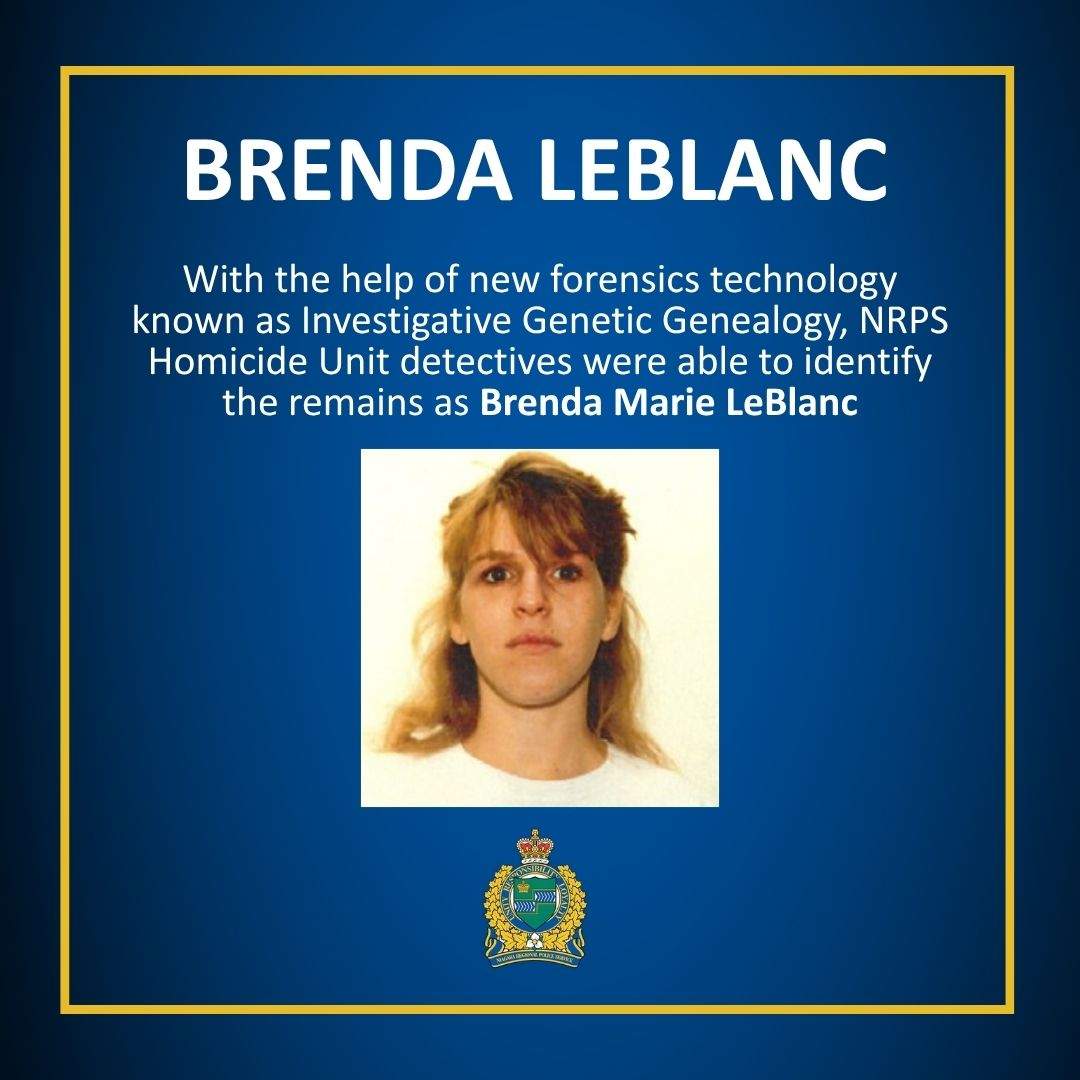
The Niagara Regional Police Service confirmed the identity of human remains discovered within the region, transforming an anonymous forensic recovery into an active homicide investigation. This development shifts a long-standing missing person file into a full-scale murder inquiry, forcing investigators to retrace steps that may have gone cold months or years ago. For families trapped in limbo, identification brings a devastating finality. For investigators, it marks the opening gun of a grueling race against time to reconstruct a timeline of violence in a region where transient populations and hidden rural properties can easily conceal a crime.
Cold cases rarely break through a sudden flash of brilliance. They break through persistence, molecular biology, and the slow, grinding machinery of forensic science. When human remains surface in Ontario's Niagara Peninsula, the geographic realities of the region immediately complicate the work. Bordered by two Great Lakes, cut through by a major international shipping canal, and laced with dense agricultural acreage alongside sprawling tourist corridors, Niagara offers both anonymity and isolation. A body deposited in the Niagara escarpment or along the Lake Ontario shoreline faces environmental factors that rapidly degrade physical evidence. DNA profiling, forensic anthropology, and genealogical databases now carry the weight that eyewitness testimony once held.
The Anatomy of a Cold Case Breakthrough
Detectives face an immediate information deficit when dealing with unidentified remains. Time strips away soft tissue, weather obscures footprints, and scavengers scatter skeletal components across wide radiuses. The Niagara Regional Police have not yet disclosed the specific scientific mechanism that led to this identification—whether through familial DNA matching, dental records, or advanced odontology—but each method requires an existing anchor point in a missing person database.
Consider how forensic identification actually functions in modern Canadian policing. A DNA profile extracted from a bone fragment or molar must cross paths with a reference sample provided by a biological relative. If a family member never reported a person missing, or if the missing individual lived on the fringes of society without a paper trail, the profile sits in a digital vacuum. When an identification finally happens, it usually means two separate systems—often municipal police databases and national missing persons registries—finally intersected after years of parallel movement.
The transition from an unidentified body investigation to a homicide probe alters every protocol within the detachment. Uniformed officers securing a discovery site hand over the operational reins to specialized homicide units, forensic identification bureaus, and coroners. Every historical report filed within the jurisdiction is re-screened. Every unsolved domestic disturbance, vehicle abandonment, and unexplained disappearance from surrounding municipalities—from St. Catharines and Niagara Falls to Welland and Fort Erie—gets pulled back onto the task force room tables.
The Geography of Concealment in Niagara
Geography dictates criminal opportunity. The Niagara region possesses a unique topographic dualism. Millions of tourists visit the Niagara Falls urban strip annually, creating a transient population flow that makes tracking individuals extraordinarily difficult. Thousands of seasonal workers, international travelers, and unhoused individuals move through the corridor every month. This constant demographic churn provides a protective cloak for predatory actors.
Simultaneously, the hinterlands tell a different story. Orchards, vineyards, abandoned industrial sites, and the deep ravines carved by the Niagara River create countless natural hiding spots. Perpetrators familiar with the local landscape understand how quickly winter freezes or dense summer foliage can obscure evidence. When remains are discovered in these rural pockets, they are rarely found by chance patrols. They are typically uncovered by hunters, agricultural workers clearing land, or property owners performing seasonal maintenance.
This reality exposes a structural vulnerability in regional policing. Local detachments must police both high-density urban entertainment zones and vast rural tracts with finite resources. When a homicide occurs, the initial hours dictate the trajectory of the file. If a body is concealed effectively in rural Niagara, the killer gains months—sometimes years—of separation from the crime scene, effectively resetting the investigative clock to zero.
The Human Toll and the Information Vacuum
Police services walk a delicate tightrope when releasing information about active homicide investigations. Too much transparency compromises forensic integrity; withholding too much chokes off the flow of public tips. Families enduring the agonizing wait for answers often find this silence unbearable.
When investigators announce that remains have been identified, they deliberately withhold specific details. They keep quiet about the cause of death, the exact location of the discovery, and the estimated post-mortem interval. This withholding serves a tactical purpose. Information held back from the public functions as a truth detector during future suspect interrogations. Only the perpetrator or someone intimately connected to the crime would know specific details about the condition of the remains or the personal effects found nearby.
However, this investigative caution creates a vacuum that is frequently filled by speculation on social media and local forums. Rumors spread faster than forensic testing can confirm facts, creating panic and muddying the witness pool. Detectives must cut through this noise, appealing directly to individuals who knew the victim during the window leading up to their disappearance.
Where the Investigation Goes Next
With an identity confirmed, the Niagara Regional Police homicide unit must deconstruct the victim's final known days. This process involves digital forensics—extracting geolocation data from cell phone towers, scouring abandoned social media accounts, and reviewing financial transactions. In modern investigations, a person's digital footprint often tells the true story of their movements long before physical evidence speaks.
Detectives will map the victim's social circle, employment history, and personal associations. They will look for points of friction: domestic disputes, financial debts, substance use networks, or encounters with individuals known to law enforcement. Every text message sent, every banking transaction recorded, and every security camera that captured a silhouette along the highway becomes a potential anchor point.
The identification of these remains does not guarantee an arrest. Many historical homicides in Ontario remain stalled even after an identity is established, hindered by uncooperative witnesses, deceased suspects, or evidence that degraded beyond the threshold of courtroom admissibility. But clearing the first hurdle—putting a name to the bones—transforms a ghost story into a concrete pursuit of justice. The machinery has started moving, and in the quiet municipalities of the Niagara Peninsula, a reckoning is underway.