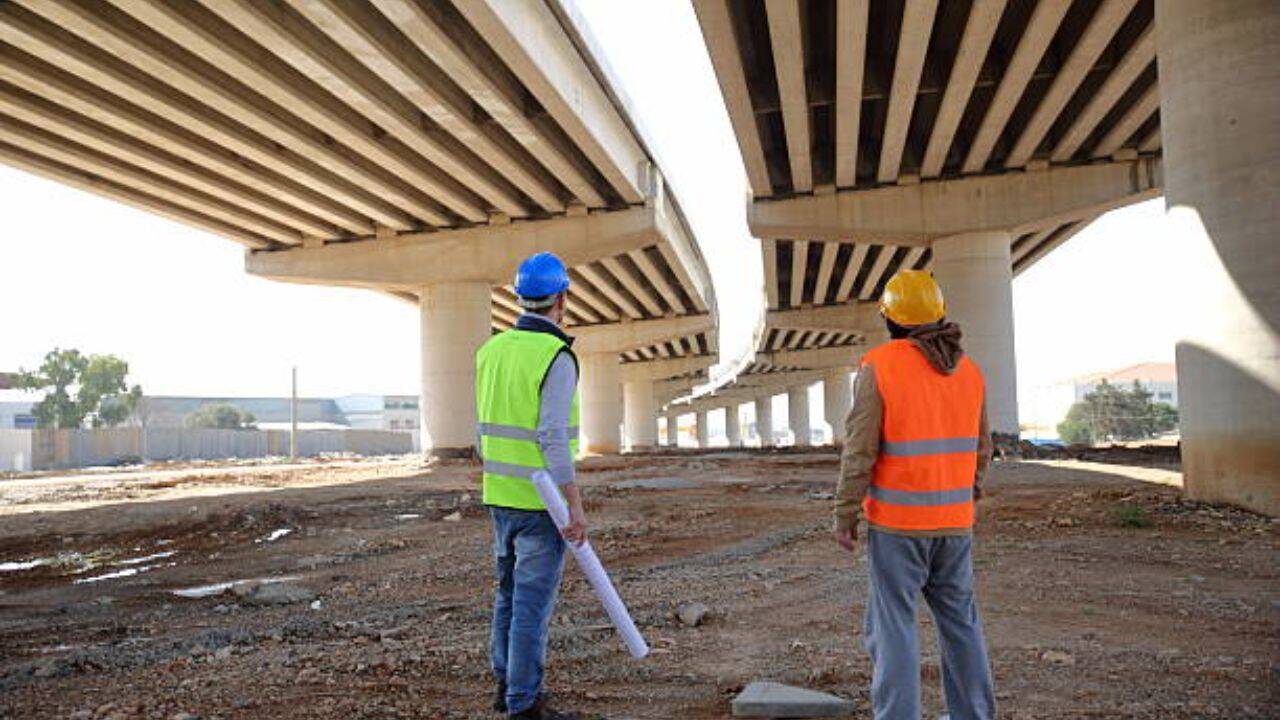
We throw away millions of tons of glass every single year while concrete manufacturing quietly chokes the atmosphere with carbon. Someone finally decided to fix both problems at once. In the Village of Whitney Point, New York is replacing an aging U.S. Route 11 bridge over the Tioughnioga River using an unexpected ingredient: crushed glass.
This $21.2 million infrastructure project isn't just about pouring fresh asphalt and steel. It incorporates 106 tons of recycled waste glass directly into the concrete mix for barriers, curbs, and sidewalks. Backed by a push to decarbonize public works, this pilot site proves that everyday waste can carry real structural weight.
The Math Behind Glass Concrete
Traditional cement production relies on cooking limestone at extreme temperatures, releasing massive amounts of carbon dioxide. Concrete is basically the third-heaviest thing humans consume after water and sand. Finding a partial substitute for traditional cement changes the entire carbon equation.
Enter KLAW Industries, a startup founded by Binghamton University engineering graduates Jacob Kumpon and Jack Lamuraglia. They developed a processing technique that turns post-consumer glass into a fine, highly reactive powder called Pantheon.
When mixed into concrete, this glass powder doesn't just act as dead filler. It reacts chemically with the cement. It forms extra crystal structures that enhance the overall strength of the mixture.
By swapping out a portion of traditional cement for processed glass, the project achieves two hard metrics:
- Diverts 106 tons of glass straight out of regional landfills.
- Prevents more than 72 tons of carbon dioxide emissions from entering the atmosphere.
Sure, 106 tons is a drop in the bucket compared to the millions of tons of municipal waste generated nationwide. But pilot projects pave the way for code changes. If state departments of transportation adopt glass-pozzolan mixes as a standard specification, local recycling programs instantly gain a reliable, high-volume industrial buyer.
Practical Realities of Civil Engineering
Civil infrastructure moves slowly for a reason. Public safety standards leave zero room for experimental failures. Engineers can't just throw ground bottles into a mixer and hope for the best.
The U.S. Route 11 initiative represents a crucial transition from small laboratory tests to heavy civil deployment. Supported in part by the U.S. Environmental Protection Agency's Small Business Innovation Research program, the material underwent rigorous performance checks before hitting state-funded job sites.
Beyond the bridge structure itself, the $21.2 million budget funds 1.5 miles of ADA-compliant sidewalks along Route 11. New crosswalks near community hubs like the local middle school and fairgrounds tie the neighborhood together. Using sustainable concrete for pedestrian pathways normalizes low-carbon materials right where people walk every day.
Municipalities looking to replicate this model need to establish local supply chains. Shipping crushed glass hundreds of miles defeats the carbon-reduction goal. Success depends entirely on regional processing hubs linking bottle collection facilities directly with local ready-mix concrete plants.
If you're tracking municipal sustainability or working in civil construction, keep an eye on how state buy-clean guidelines evolve over the next few years. The technology is proven, the chemistry works, and the material is waiting in our recycling bins.