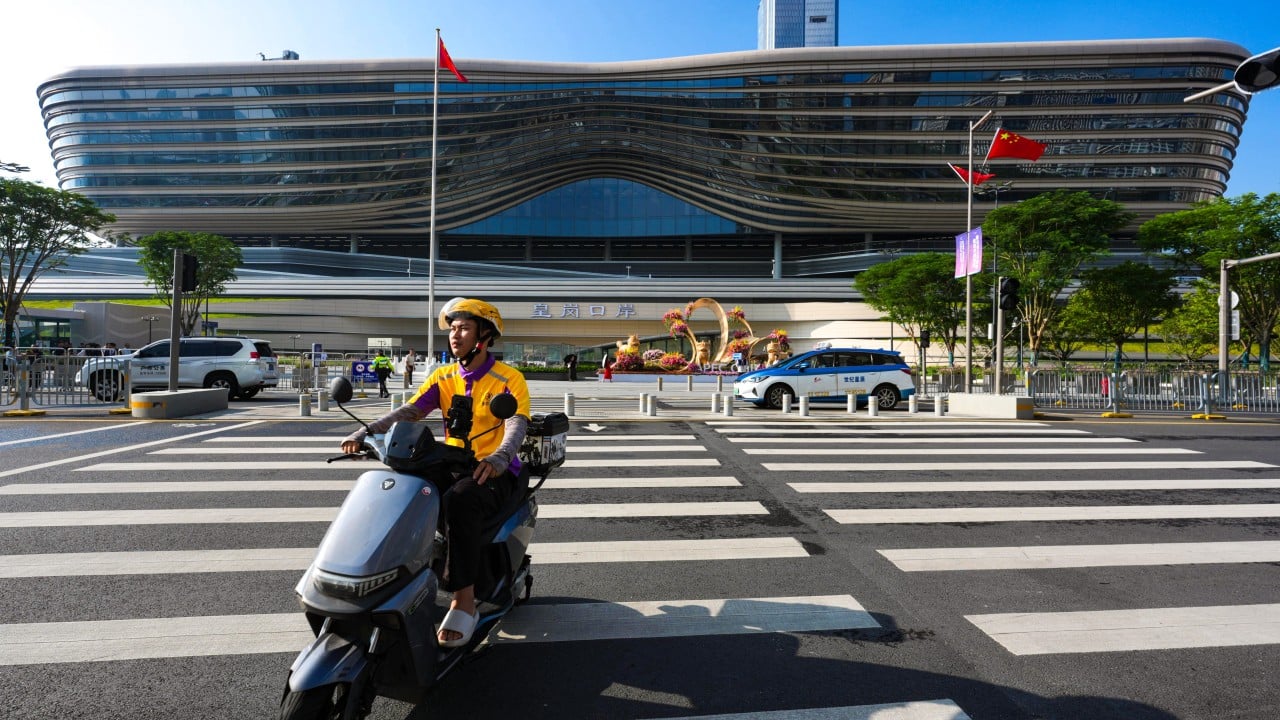
Borders used to mean endless queues, stamped passports, and wasted hours. That era is fading fast. When Chief Executive John Lee stepped up to open the revamped Huanggang Port, he wasn't just cutting a ribbon for another concrete building. He was marking a major shift in how millions of people move between Hong Kong and Shenzhen.
If you've ever stood in line at a busy border crossing during a holiday weekend, you know the frustration. Traffic builds up, tempers flare, and a simple weekend trip turns into an endurance test. The newly redeveloped Huanggang Port is designed to fix that exact bottleneck. By stripping away friction and speeding up clearance times, the facility aims to make cross-boundary travel feel less like an international journey and more like a domestic subway ride.
Breaking Down the Hard Infrastructure
Let's talk about what makes this project different. For years, critics argued that closer regional ties were just talk on paper. Real integration requires physical muscle. Huanggang delivers that through heavy infrastructure updates.
The port utilizes modern clearance designs to handle massive volumes of daily commuters. We are talking about tens of thousands of travelers moving through streamlined channels where traditional checkpoints are replaced by smarter architecture. When Chief Executive John Lee described the port as a milestone for Hong Kong-Shenzhen collaboration, he pointed directly to this "hard connectivity." You can't build a thriving economic cluster if your workers and entrepreneurs spend half their day stuck at customs.
What This Means for Regional Business
Business doesn't wait for paperwork. Tech founders in Shenzhen want to meet investors in Central without booking a logistical expedition. Financial experts in Hong Kong need to reach manufacturing hubs across the boundary before lunch.
When travel times drop, economic activity spikes. The revamped port creates a tighter loop for talent, capital, and ideas. Instead of treating Shenzhen and Hong Kong as separate ecosystems with a heavy barrier between them, the new infrastructure stitches them into a single, functional workshop. You can already see the effects on local commerce, tourism, and real estate planning along the corridor.
Overcoming Growing Pains
Of course, opening a mega-port doesn't happen without hiccups. Right after the grand opening, heavy crowds and peak-hour rushes sparked immediate calls for better traffic management. When tens of thousands of people rush to test out a new crossing, transit networks get tested to their absolute limits.
Authorities quickly scrambled to deploy crowd control measures, adding bus routes and adjusting signage to direct passengers toward taxis and metro lines. It's a reminder that hardware is only half the battle. Managing peak flows and coordinating transport links will dictate whether the port runs smoothly or turns into a massive bottleneck during major holidays.
The Bigger Picture for Hong Kong
Hong Kong's long-term prosperity relies on looking outward and connecting deeply with the surrounding region. Projects like Huanggang Port anchor that strategy in reality. It's about giving investors and ordinary citizens the certainty and speed they demand.
Keep an eye on how passenger numbers scale over the coming months. If the clearance speeds hold up under pressure, expect other border crossings to adopt the same playbook. The physical walls between cities are coming down.
John Lee: The Opening Carries Three Key Significant Meanings and
This short video clip covers the primary highlights and official remarks made during the opening of the revamped Huanggang Port.