Geopolitical shifts in mainland Southeast Asia usually happen quietly, buried under layers of diplomatic handshakes and economic agreements. But the official opening of the China-Laos Joint Support and Training Center at Ban Keun Airport in late September 2026 isn't something you can easily brush aside. Located just north of Vientiane, this new aviation facility gives Beijing a tangible military footprint in a strategically crucial neighbor.
If you look past the official press releases about bilateral friendship and pilot instruction, you see a clear pattern of strategic expansion. This isn't just about teaching Laotian cadets how to fly. It's about long-term power projection, logistics, and rewriting the security calculus of the entire region.
Breaking Down the Ban Keun Facility
When satellite imagery first caught construction activity at Ban Keun late last year, defense analysts started paying close attention. What used to be a quiet plot of land—partially featuring an old airstrip dating back decades—transformed rapidly. By September 2026, the site boasted a freshly paved 1.2-mile runway, parallel taxiways, hangars, and operational support buildings.
Officially, the site houses the China-Laos Joint Support and Training Center alongside the China-Laos Friendship Aviation Academy. The Lao People's Liberation Army Air Force is exceptionally small. It relies heavily on helicopters and a modest fleet of trainer aircraft, historically sending its pilots abroad for specialized instruction.
Having a dedicated domestic academy changes that dynamic completely. Yet, the involvement of Chinese military instructors, logistics personnel, and funding points to a much deeper integration between the two armed forces.
Why This Matters Beyond Laos
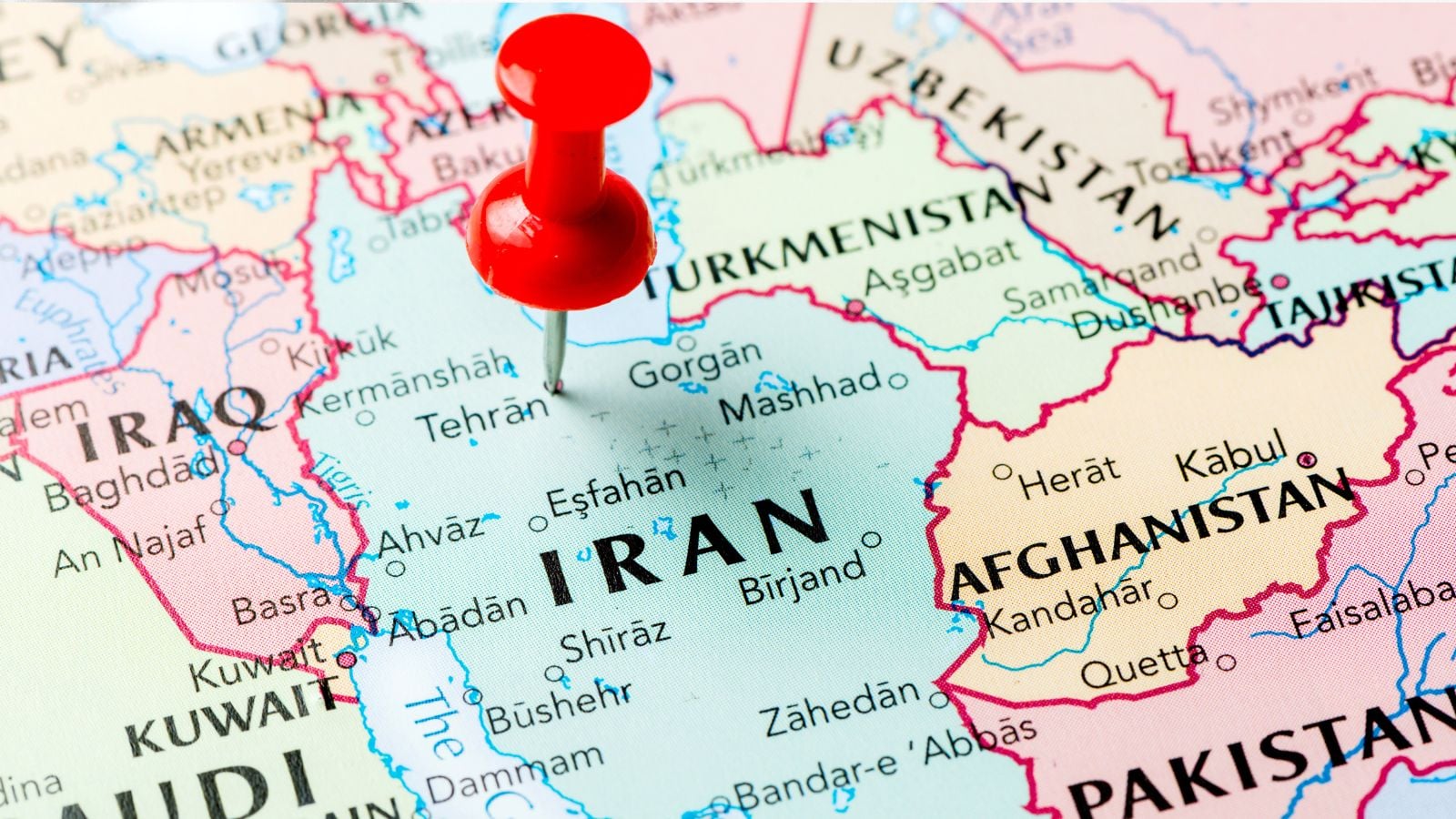
You have to look at the map to understand the real stakes. Laos is landlocked, squeezed between economic powerhouses and regional players like Thailand and Vietnam. Over the past decade, Beijing has poured billions into Laotian infrastructure, most notably the high-profile China-Laos railway. Heavy financial reliance naturally opens the door to tighter security cooperation.
When you stack Ban Keun next to China's other overseas military outposts—such as the naval support base in Djibouti and the joint facility at Ream in Cambodia—a broader strategy comes into focus. Beijing is methodically building a network of logistical hubs.
While Chinese state media insists the center is not directed against any third party and simply aims to maintain regional stability, neighboring countries are watching closely. For instance, the airfield is relatively close to regional Thai air force assets, and it provides the Chinese military with enhanced strategic depth on mainland Southeast Asia. That depth changes how regional powers calculate risk, especially regarding ongoing flashpoints like the South China Sea.
The Reality of Overseas Footprints
People often get confused about what constitutes an official "military base" versus a "training and support center." Governments love semantic distinctions. China calls Ban Keun a joint center, just as it describes arrangements in Cambodia.
Labels matter less than capabilities. Once a runway is extended, hangars are built, and foreign technical personnel are permanently stationed on-site, the functional reality shifts. It gives the host nation modern training capabilities while granting Beijing a permanent foothold and surveillance vantage point in a critical corridor.
Regional monitoring will intensify over the coming months. Experts will watch to see if larger transport aircraft or combat jets eventually utilize the Ban Keun airstrip. For now, the facility represents another major milestone in Beijing's quiet drive to secure its southern periphery and project influence far beyond its borders.
[Fubu
Why China Opening a Military Base in Laos Changes Everything
news
Geopolitics rarely shifts with a single loud explosion. Usually, it happens quietly, tucked away in the dense jungles of Southeast Asia while everyone else is looking elsewhere. Beijing just made a massive move that defense analysts saw coming for years. They opened a joint military support center in Laos.
If you think this is just another routine diplomatic outpost, you're missing the entire board.
China's footprint in mainland Southeast Asia is expanding at a breakneck speed, and Laos is ground zero. This isn't just about building railways or dams anymore. It's about boots, logistics, and a permanent security posture right in America's historical backyard of influence. Let's look at what's actually happening on the ground and why Washington should be paying attention.
The Strategic Realities Behind the Laos Facility
Laos is landlocked, poor, and heavily indebted to its massive northern neighbor. That's not a secret. It's an economic reality that has turned the country into China's premier testing ground for modern influence without firing a shot.
When you look at a map, the strategic value hits you immediately. Laos shares borders with China, Vietnam, Cambodia, Thailand, and Myanmar. It sits right at the heart of the Indochina peninsula. By establishing a joint military support center here, Beijing isn't just helping a friend modernize. They're securing a logistical corridor that reaches deep into the maritime and continental zones of Southeast Asia.
Most people don't realize how tightly integrated the two economies already are. The Lao-China Railway opened a few years ago, slashing travel times and shipping costs. Now, that trade route is getting a security blanket. Logistics win wars, and they win geopolitical influence, too. This center gives the Chinese military a physical foothold to coordinate logistics, disaster relief, and training exercises right next to some of the busiest trade lanes on earth.
Why Washington Keeps Missing the Point
Western capitals tend to view Southeast Asia through a narrow economic lens. They talk about supply chain diversification, chip manufacturing in Vietnam, and trade deals. They keep missing the security architecture being built brick by brick.
When Beijing builds dual-use infrastructure or sets up joint security centers, diplomats in Washington usually issue a statement about sovereignty and transparency. That approach doesn't work anymore. Laos needs cash, infrastructure, and political backing. Beijing provides all three with zero lectures on human rights or governance standards.
You can't out-diplomacy a checkbook when the recipient has empty coffers.
The joint center in Laos signals a shift from economic statecraft to hard security integration. Beijing is showing neighboring nations that security guarantees come from the north, not from distant Western powers offering empty handshakes. It's a pragmatic choice for Vientiane, even if it strips away their long-term strategic autonomy.
What This Means for Regional Stability
Let's talk about the neighbors. Vietnam shares a long border with Laos and has historically viewed it as a vital security buffer. Hanoi watches these developments with deep anxiety. They remember history, and they know that Chinese military logistics creeping closer to their western flank changes their defense calculations entirely.
Thailand, a formal US treaty ally, finds itself squeezed. Bangkok tries to play everyone against the middle, but economic gravity pulls them steadily toward Beijing. When Chinese forces can move equipment, personnel, and supplies rapidly through Laos, the strategic balance inside the Association of Southeast Asian Nations starts to fracture.
ASEAN thrives on consensus. Consensus breaks down when one member state becomes a de facto strategic outpost for a global superpower.
We are watching the slow-motion finlandization of mainland Southeast Asia. Smaller nations are realizing that hedging their bets is becoming too expensive. They have to pick a side, or at least accommodate the dominant regional player closely enough to avoid retaliation.
Reading the Writing on the Wall
Don't expect dramatic announcements or sudden escalation. That isn't how Beijing operates. They play the long game. This logistics hub will start small. It will handle humanitarian assistance, medical training, and counter-piracy or anti-crime coordination along the Mekong River.
Then, the footprint will grow. Maintenance facilities will expand. Communication nodes will upgrade. Before anyone realizes it, a permanent support center becomes a permanent forward-deployed base.
If you want to understand where global power is heading, stop looking at the South China Sea headlines for a moment. Look inland. The jungles of Laos are telling you the real story of twenty-first-century power projection.
Keep your eyes on how neighboring capitals respond in the coming months. If Vietnam starts aggressively upgrading its own defense posture or quietly seeking closer ties with external balancers, you will know the anxiety in Hanoi has boiled over. The chess board in Asia is shifting, and the pieces are moving fast.