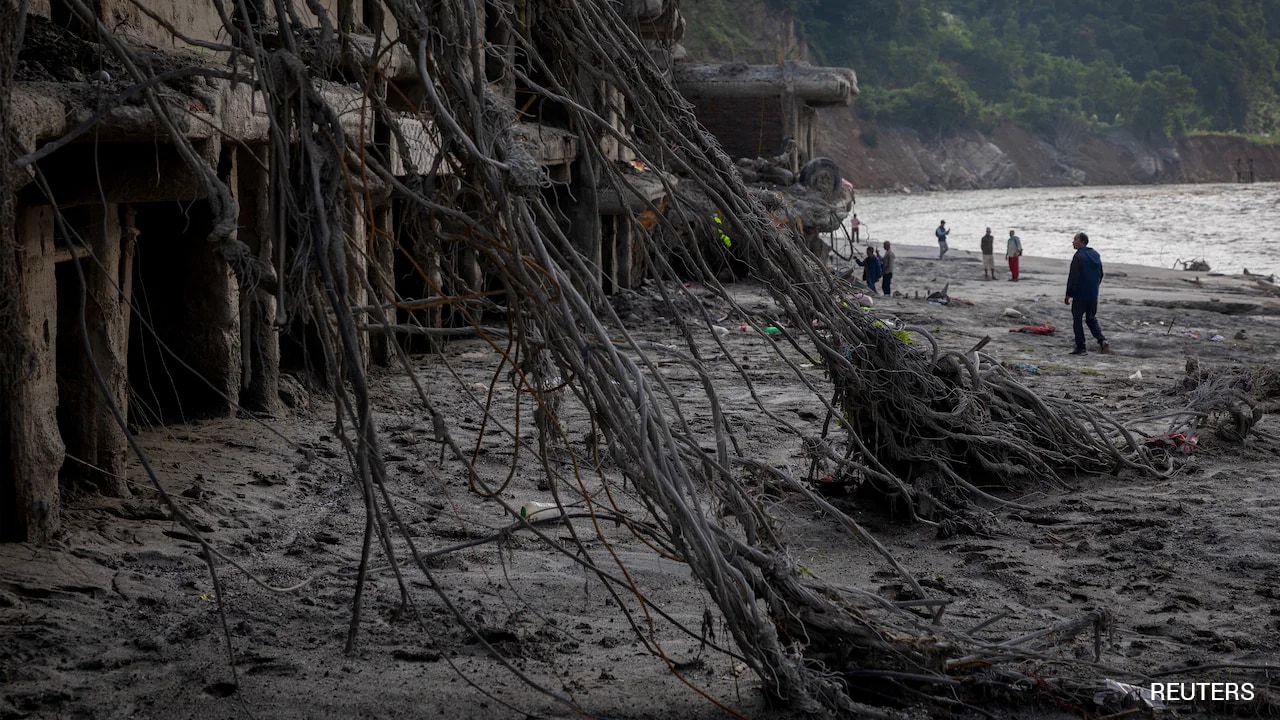
Imagine losing your entire home, your town, and half your family to a sudden wall of mud and water, only to find out the government cannot officially acknowledge they are gone. That is the administrative purgatory thousands of families faced after catastrophic flash floods swept through the Bhotekoshi and Trishuli river valleys. When massive torrents triggered by glacier issues tear towns apart, bodies vanish beneath meters of silt and debris.
Under normal legal frameworks in Nepal, families usually have to wait a staggering 12 years before a missing person can be legally presumed dead. Imagine waiting over a decade just to settle property rights, claim insurance payouts, or receive government disaster relief. Survivors were stuck in a cruel bind: they had performed traditional funeral rites without bodies, yet the state treated their missing relatives as legally alive.
Recognizing this crushing burden, the government moved to fix a broken system. Officials advanced procedures to fast-track death declarations for thousands of missing individuals, slashing the mandatory waiting period down to just 45 days.
Cutting Through Red Tape After Catastrophe
The August flash floods left a staggering human toll behind. Thousands of people remained unaccounted for, while rescue teams recovered only a fraction of the bodies, many of which required intensive DNA matching to identify. Local ward offices and municipal bodies found themselves legally handcuffed. Without explicit statutory exceptions, local authorities simply could not issue death certificates without a recovered body or a lengthy court battle.
Families needed closure, but they also needed financial survival. Relief funds, inheritance transfers, and bank account access all depend on a official death certificate. Without it, destitute survivors could not even begin rebuilding their lives. By compressing the legal threshold to 45 days, the state created an administrative bridge between tragic reality and bureaucratic necessity.
What the Verification Process Looks Like
Speeding up the timeline doesn't mean handing out certificates blindly. To prevent fraud while offering immediate relief, authorities instituted a strict verification protocol.
Local bodies require detailed documentation before moving forward with a death declaration:
- Ward offices collect applications alongside a local inquiry deed known as a Sarjamin Muchulka, verifying through community witnesses that the person was indeed present at the disaster site.
- Investigators cross-reference police records, missing person reports, and DNA collection drives launched for relatives.
- Once verified, families become eligible for standard government relief packages, such as immediate financial support per victim, alongside unlocked access to insurance claims and estate settlements.
This policy shift marks a vital lesson for disaster management worldwide. Bureaucracy is often the second wave of trauma for survivors. When laws are too rigid to accommodate the realities of extreme climate events, the state ends up punishing the victims all over again. By adjusting legal timelines to match the scale of modern disasters, Nepal provides a pragmatic template for handling the grim aftermath when rivers erase entire communities.