Dawn in the Persian Gulf does not arrive with a gentle gradient of color. It hits like a hammer. The water turns from ink to blinding copper in a matter of minutes, reflecting a sky baked pale by relentless heat. Out on the bridge of a supertanker, the air smells of heated salt, diesel exhaust, and an underlying, persistent tension that no amount of sea breeze can wash away.
For the crew of the Ocean Horizon, a vessel stretching longer than three football fields and carrying two million barrels of crude oil, every nautical mile brings them closer to the throat of the world. You might also find this connected article interesting: Why Calling the Kraków Market Square Shooting Random Is a Dangerous Lie.
That throat is the Strait of Hormuz.
At its narrowest point, the shipping lanes are just two miles wide inbound and two miles outbound, separated by a two-mile buffer zone. Through this watery corridor passes roughly a fifth of the globe’s petroleum consumption. Every valve turned in a factory in Tokyo, every commuter train rumbling through a suburb in Europe, every cargo truck idling on a highway thousands of miles away depends entirely on the steady, unhindered pulse of steel hulls moving through this thirty-mile-wide bottleneck. As highlighted in detailed articles by The New York Times, the implications are worth noting.
Silence is heavy here. And danger, when it arrives, rarely announces itself with a siren.
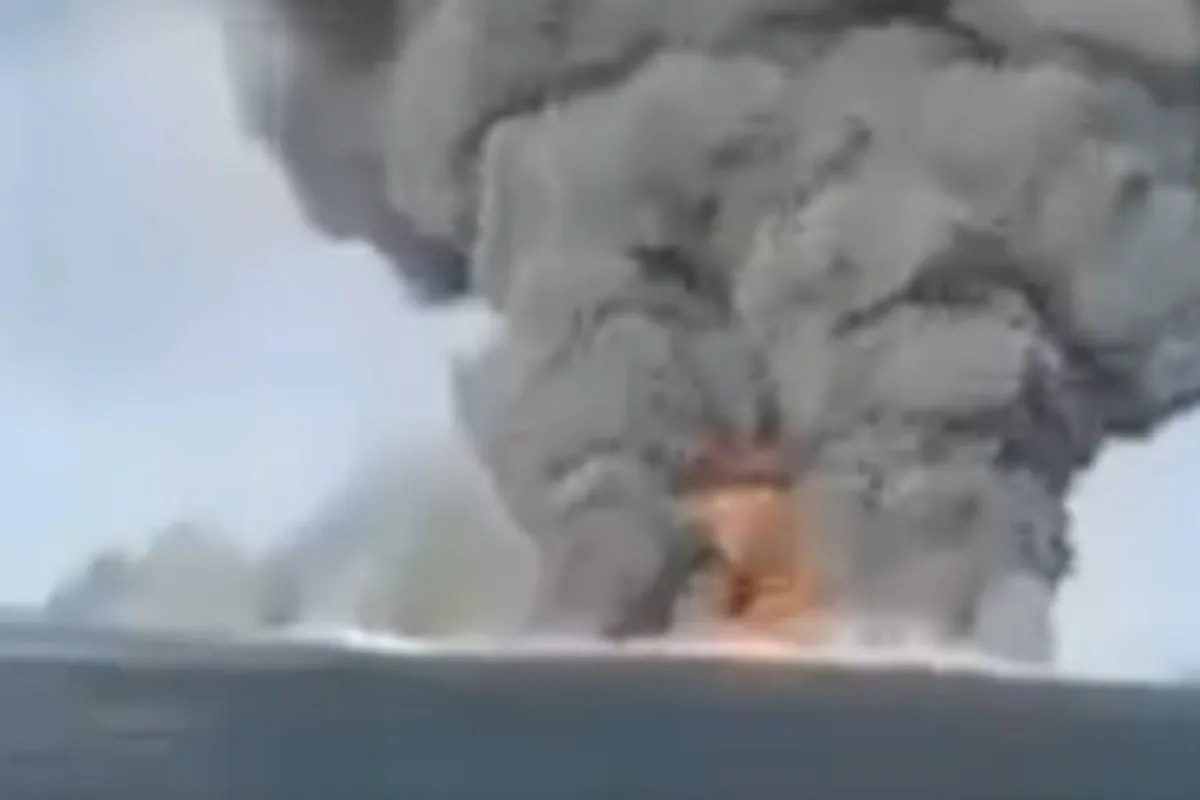
Hours earlier, fifty miles to the east, the routine had shattered. Another tanker, heavy and laden, had struck an unseen menace beneath the surface. A concussive thud that rattled teeth. A wall of water erupting against the hull. The immediate, suffocating realization that the invisible had become lethal. Sea mines. Simple, devastating, terrifyingly effective weapons from a bygone era that continue to haunt modern maritime commerce.
When a marine mine detonates against the double-hulled belly of a modern oil tanker, the physics are unforgiving. Steel tears like wet paper. Fire roars through compartments designed to hold inert ballast water. Sirens shriek through corridors where men and women are suddenly jolted from sleep into a nightmare of alarms and flashing red lights.
Back on the Ocean Horizon, the captain watches the radar screen with eyes bloodshot from lack of sleep. The news of the morning attack has already rippled through the radio frequencies. It is not a rumor. It is a confirmed coordinate. It is a smoking hulk of steel drifting half-submerged in the exact path every large vessel must take.
Consider what happens next.
The ship does not stop. Stopping in the middle of a chokepoint is a tactical death sentence. Instead, the engines drop to a cautious crawl. The vibration of the giant diesel drops from a steady thrum to a low, anxious groan. Every crew member on deck is peering into the blinding glare of the sunlit water, looking for the telltale ripple, the dark shape, the floating tether of a weapon designed to paralyze nations without a single soldier ever stepping foot on land.
This is the hidden cost of modern geopolitics. We talk about oil in terms of futures markets, barrel prices, and inflation percentages. We look at charts on financial terminals and debate supply chains over morning coffee. But behind every decimal point on that screen is a human being staring at a strip of blue water, wondering if the next wave will bring fire.
The Strait of Hormuz has always been a volatile fault line. History is littered with the wrecks of tankers caught in regional crossfires, dating back to the Tanker Wars of the 1980s. Yet, technology has evolved, and so has the sophistication of the threat. Modern mines are smart, acoustic, magnetic, sitting silently on the seabed until the precise acoustic signature of a massive oil tanker rolls over them. They do not negotiate. They do not care about flags or diplomatic communiques. They wait.
And in that waiting, an entire global economy holds its breath.
When insurance rates for vessels transiting the Gulf spike overnight, the ripple effect is instantaneous. Refineries adjust their pricing. Freight forwarders recalculate risk. The cost of moving energy from one side of the planet to the other climbs, dragging the price of everyday goods up with it. It is an invisible tax levied by fear, collected in the dark waters of the Middle East, and paid by consumers everywhere who will never see the narrow strait or smell the burning oil of a stricken vessel.
Yet, ships keep moving. They have to.
As the Ocean Horizon clears the danger zone and enters the wider expanse of the Gulf of Oman, the tension on the bridge slowly fractures. The captain lets out a long, ragged breath, shoulders dropping an inch. Out here, the ocean is deep again. The water is wide.
For now.
Behind them, in the narrow channel where the map pinches together, the water remains restless. The currents shift the floating hazards. The shadows lengthen across the surface. And somewhere in the control rooms of shipping companies and naval headquarters thousands of miles away, another shift begins, watching the blips on a screen, waiting for the next dawn over the Gulf.