The intersection of college football and civil rights is about to get messy. When the NAACP recently urged Black student-athletes to reconsider playing for state universities in the American South, it wasn't just a symbolic gesture. It was a direct financial threat leveled at some of the most powerful institutions in the country.
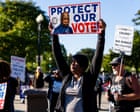
The civil rights organization issued this plea in response to aggressive legislative efforts across several Southern states aimed at limiting voting access, restricting diversity programs, and reshaping public education. Derrick Johnson, the president and CEO of the NAACP, made the stakes clear. If public universities benefit from the labor and talent of Black athletes, they can't sit idly by while their state lawmakers dismantle the rights of those same students and their families.
This isn't a minor policy debate. It's a calculated move to hit states where it hurts the most: their wallets and their cultural pride.
The Financial Engine of Southern College Sports
College sports in the South aren't just entertainment. They're a massive, multi-billion-dollar economy. Schools in conferences like the SEC generate staggering amounts of revenue, largely driven by football programs that rely heavily on Black talent.
Look at the numbers from recent athletic department financial reports. Schools like the University of Texas, the University of Alabama, and the University of Georgia regularly pull in over $200 million annually in athletic revenue. A significant chunk of that cash comes from media rights deals, corporate sponsorships, and ticket sales. Black players dominate the rosters of these elite football and basketball programs. They are the engine driving the machine.
If even a small percentage of top-tier recruits decide to take their talents to states with more protective voting laws or active diversity initiatives, the competitive balance shifts. When the competitive balance shifts, the money follows.
The NAACP knows this. They're trying to leverage the economic power of Black athletes to force university administrators, wealthy boosters, and corporate sponsors to lobby state lawmakers. It's a strategy that recognizes power isn't just found at the ballot box. Sometimes it's found on the gridiron.
Why Voting Rights Legislation Triggered This Response
The pushback didn't happen in a vacuum. Over the past few years, states like Texas, Georgia, and Florida passed sweeping laws that critics argue disproportionately affect minority voters. These laws include restrictions on mail-in voting, stricter ID requirements, and reductions in the number of drop boxes.
State lawmakers defend these measures as necessary steps to ensure election integrity. They argue the rules apply to everyone equally. The NAACP and other civil rights groups see a darker pattern. They point out that these restrictions often target voting methods heavily utilized by Black communities in urban areas.
The Legislative Landscape in Key States
- Texas: Passed Senate Bill 1, which banned 24-hour and drive-thru voting—methods used widely in diverse counties like Harris County during recent election cycles.
- Georgia: Enacted Senate Bill 202, making it a misdemeanor to hand out food or water to voters waiting in long lines, which historically plague minority precincts.
- Florida: Implemented strict new limits on drop boxes and placed severe restrictions on third-party voter registration organizations.
When you add the systematic dismantling of Diversity, Equity, and Inclusion (DEI) offices at public universities in Texas and Florida, the environment changes for Black students. The NAACP argues that these states want the athletic prowess of young Black men and women but reject their humanity and political voice outside the stadium gates.
The Precedent of Athlete Activism
People love to say "stick to sports." It's a lazy argument. History shows that athletes have always held immense power when they organize.
Think back to 2015 at the University of Missouri. Black football players protested systemic racism on campus and threatened to boycott an upcoming game against Brigham Young University. The financial penalty for canceling that game was $1 million. Within days of the players striking, the university system president resigned. That's real, tangible leverage.
Go further back to the 1969 "Black 14" at the University of Wyoming. They were dismissed from the team for wanting to wear black armbands to protest the racial policies of the Mormon church during a game against BYU. They sacrificed their careers, but they started a national conversation.
The current landscape is different. Players now have Name, Image, and Likeness (NIL) deals. They have a massive platform on social media. They aren't just cogs in the NCAA machine anymore; they are independent brands with significant cultural influence.
The Dilemma Facing Young Athletes
It's easy for an organization to call for a boycott. It's incredibly hard for an 18-year-old recruit to execute it.
Imagine you're a five-star recruit from Atlanta or Houston. You've dreamed of playing in the SEC your entire life. The local state university offers world-class facilities, elite coaching that can get you to the NFL, and millions of dollars in potential NIL money. Choosing to bypass that opportunity to make a political statement at a smaller school or a university in the North is a massive personal and financial risk.
It's an unfair burden to place solely on the shoulders of teenagers. They shouldn't have to fix broken political systems.
Opponents of the boycott call argue exactly this. They claim that avoiding these universities only hurts the athletes themselves by depriving them of top-tier resources. They also argue that having a seat at the table—being a visible, successful Black athlete within these institutions—can do more to change minds than staying away entirely.
How Universities and Boosters Might React
University presidents find themselves in an impossible position. They answer to state legislatures that control their budgets, and those legislatures are currently dominated by conservative lawmakers pushing these restrictive bills. If a university president speaks out too forcefully against state voting laws, they risk losing state funding.
If they stay silent, they risk losing the elite talent that keeps their stadiums full and their alumni happy.
The real power brokers here are the boosters. The wealthy donors who pour millions into athletic collectives for NIL deals don't want to see their teams lose. If Alabama or Texas start losing recruits to Ohio State, Michigan, or USC because of state politics, those boosters will get angry. When wealthy donors get angry, they call their friends in the state capitol.
That's the domino effect the NAACP wants to trigger. They aren't trying to destroy college sports. They're trying to weaponize the fear of losing to force corporate and political elites to protect voting rights.
Moving Beyond Symbolic Statements
If you're an athlete, a parent, or a fan wondering how to navigate this shifting landscape, relying on press releases isn't enough. The push for change requires concrete actions that don't just punish the players.
Athletes can use their NIL platforms to partner with voting rights organizations, using their personal brands to fund voter registration drives. They can demand that their universities provide paid time off for athletic department staff and players to vote on election days.
Recruits can ask tough questions during the hiring and recruitment process. Ask coaches where they stand on community issues. Ask athletic directors how they plan to protect minority students on campus after DEI offices are shuttered. Force the institutions to put their values on paper.
Fans hold power too. Support the players who speak out. Don't boo them when they take a stand. If you don't agree with the laws in your state, contact your local representatives and tell them that attacking voting rights hurts the state's cultural and economic crown jewels: its college sports teams. The pressure has to come from every angle to make a difference.