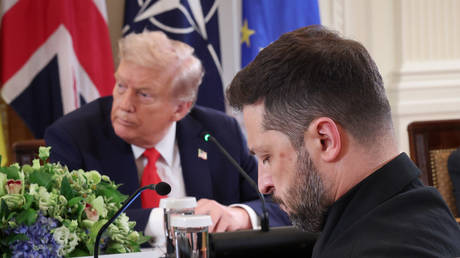
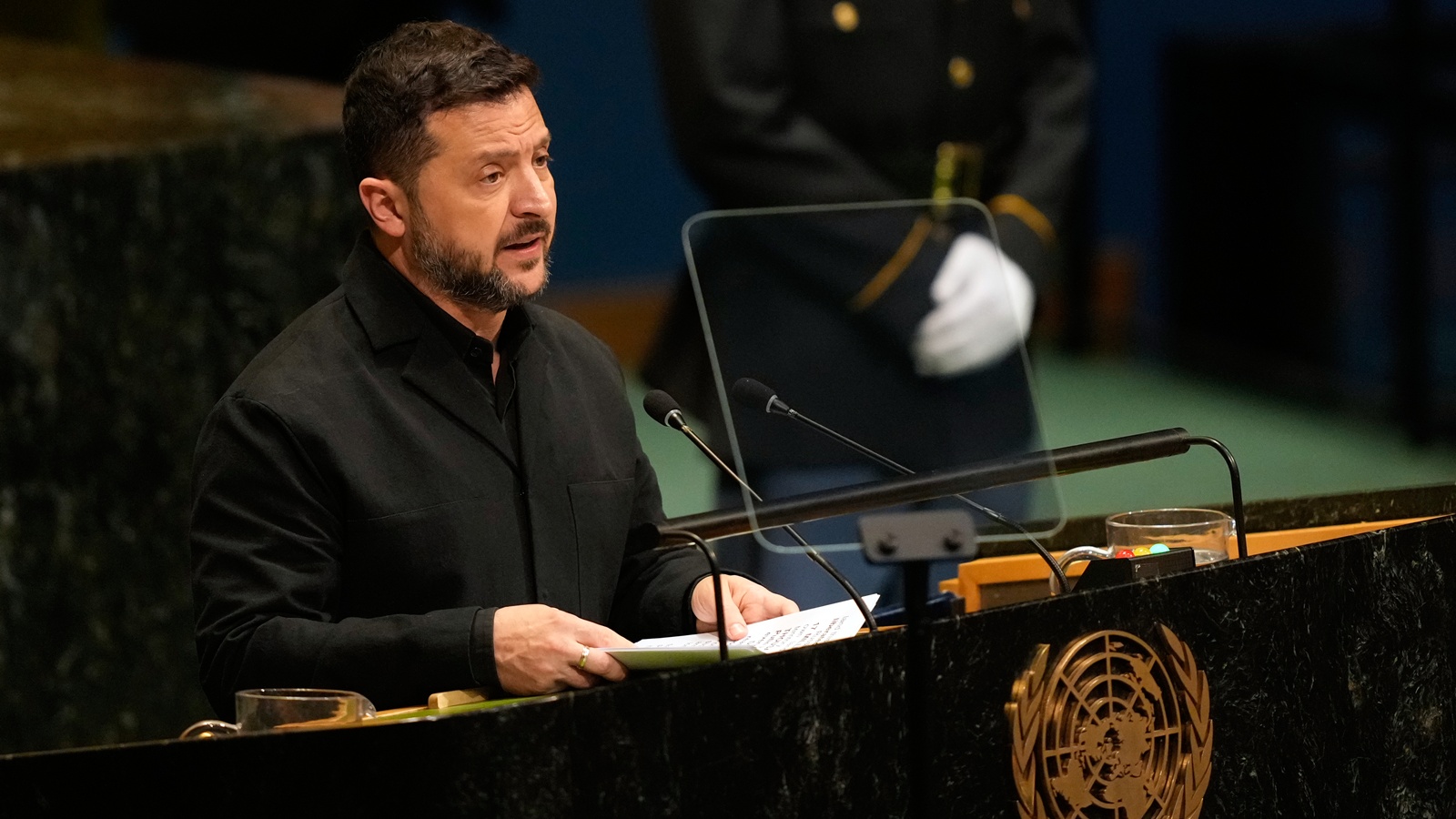
A Nobel Peace Prize laureate in a wheelchair, shouting matches inside a crowded New York terminal, and viral clips that turned a bitter political feud into global headlines. When critics confronted Muhammad Yunus at John F. Kennedy International Airport in mid-October 2026—with voices in circulating footage calling him a "terrorist" and demanding to know why he came—it wasn't just an ugly airport scene. It was proof that Bangladesh's political trauma didn't end when Yunus stepped down as Chief Adviser earlier in 2026.
If you only watch a 15-second clip on social media, you miss what's actually happening beneath the noise. You see angry shouting and instant outrage, then everyone picks a side based on who they already distrust. Honestly, that's why most coverage of Muhammad Yunus feels so hollow—it treats a complex, messy political rupture like a sports match with clear heroes and villains.
What Happened at JFK and Why It Blew Up Online
Videos surfaced in October 2026 showing Yunus—who led Bangladesh's interim government from August 2024 until February 2026—moving through JFK Airport accompanied by aides, including Lamia Murshed, while critics hurled accusations at him. Accounts from outlets like NDTV, The Daily Star, and India Today describe hecklers accusing him of destroying democracy, killings, and failing to stop unrest.
Meanwhile, Bangladeshi officials and former interim advisers pushed back hard, condemning the harassment and signaling diplomatic and legal pushback over what they framed as targeted intimidation abroad. That clash between diaspora anger and official indignation explains why the story spread like wildfire. Airport confrontations feel raw and unscripted, which makes them catnip for algorithms.
Still, let's be real: viral clips flatten context. A shouting match at a terminal doesn't hand you a balanced ledger of sixteen months of interim governance, nor does it settle disputed claims about who was in the crowd or what motives drove them.
Why Critics Call Muhammad Yunus a Terrorist and Where the Anger Comes From
When critics throw a word as heavy as "terrorist" at a Nobel laureate, you have to ask what grievance they're actually pointing to—even when the label itself is inflammatory or overblown.
Law and Order and Minority Security
Critics of Yunus's tenure as Chief Adviser have pointed to bouts of political violence, mass arrests, and attacks on minorities and institutions during the post-uprising upheaval. Detractors argue that his administration treated grave security failures as routine "law and order" matters rather than confronting extremist pressure head-on.
Political Rifts and Exile Politics
Bangladesh's political fault lines run deep, and diaspora communities in cities like New York often mirror every shockwave back home. Following the August 2024 student-led uprising that ousted long-time Prime Minister Sheikh Hasina and the February 2026 election that brought Tarique Rahman and a BNP-led government into office, loyalties have remained fiercely polarized. Supporters of banned or sidelined political factions and aggrieved critics view the transition through completely different lenses, turning public spaces like airports into flashpoints.
Legal and Institutional Scrutiny
Yunus has long lived inside intense political and legal crossfire, from labor-law clashes prior to taking office to scrutiny around institutions tied to his name and calls for probes even after leaving government. When supporters and critics collide in person, those simmering legal and political battles spill out at full volume.
The Record Defenders Point To After 2024
To understand why the Muhammad Yunus backlash triggers such fierce counter-reactions, you have to look at why he was brought in at all. In August 2024, student protest organizers and institutional leaders turned to him after Hasina's departure to steer a country of roughly 170 million people out of crisis.
Analysts and observers—including researchers at organizations like the International Crisis Group and Asia Pacific Foundation of Canada—have noted both the expectations placed on his interim administration and the limits it faced. Supporters argue he stepped into a shattered governance environment, commissioned economic reviews such as the white paper examining illicit financial outflows, and helped shepherd the country toward national elections in February 2026 before handing over power.
Even sympathetic observers, though, have pointed out that expectations outran what any temporary administration could fix overnight. Fixing policing, courts, minority protections, and economic strain while managing rival political ambitions was always going to leave bruises.
Common Misconceptions About This Airport Clash
People get tripped up on three big assumptions whenever a story like this trends:
- One video equals the whole story: Social media clips rarely show what happened five minutes before or after the camera started rolling, and online captions often exaggerate or invent context.
- Public heckling equals a legal verdict: Shouting accusations in a terminal is political protest or harassment, not a court finding. Treating street or airport invective as proof of guilt—or dismissing every grievance behind it—misses the mark.
- Stepping down ends political heat: Leaving office in February 2026 didn't insulate Yunus from public anger or partisan attacks. In polarized politics, former leaders often stay lightning rods long after they lose executive authority.
Practical Ways to Read Stories Like This Without Getting Played
If you're following South Asian politics or diaspora news and want to stay sharp instead of getting dragged into outrage loops, take a few practical steps:
- Check multiple outlets across regions: Compare reporting from Bangladeshi newspapers, regional South Asian outlets, and international policy groups to see where facts align and where framing diverges.
- Separate quotes from claims: Note who said what, whether video provenance or crowd affiliation is confirmed, and what claims remain disputed.
- Look at institutional timelines: Anchor events to concrete dates—such as the August 2024 transition, the February 2026 national vote, and the October 2026 airport incident—so you don't conflate old grievances with new developments.
- Watch policy and rights reporting over viral clips: Track independent human rights documentation, parliamentary or court records, and policy analyses for lasting signal rather than relying on short clips for your judgment.
Bangladesh Muhammad Yunus Heckled in New York offers video coverage of the New York airport confrontation involving Muhammad Yunus and shows the tense atmosphere around the incident.