The map in the war room does not show the grease stains on the folding table, nor does it capture the smell of stale instant coffee that lingers at three in the morning. It shows blue arrows and red lines. It shows geography as a geometry problem to be solved by men who sleep in heated rooms far from the frost. But history is rarely made by geometry. History is made by the heavy thud of a train door closing in a damp station, and the quiet calculation of what can be traded away when the winter nights grow too long to bear.
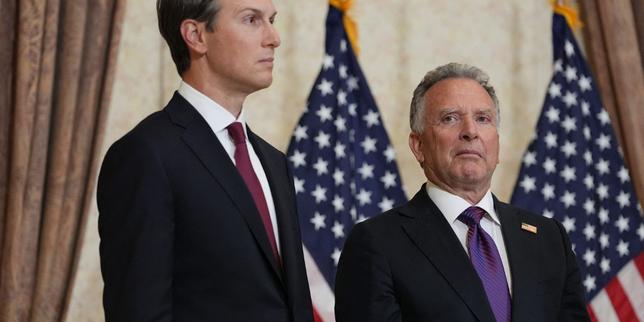
Jared Kushner and Steve Witkoff are packing bags that will soon open in Moscow.
Before they ever see the brick facades of Kiev on Sunday, their boots will touch Russian soil. This is not tourism. This is the shadow work of diplomacy, conducted away from the microphones, where the architecture of a new world order is being sketched on hotel notepads. We have seen this before. The names change, the century shifts, but the ritual remains identical. Men with briefcases arrive to measure the distance between a sovereign nation's survival and a superpower's impatience.
Consider what happens next.
In a small apartment in Saltivka, a suburb of Kharkiv that has known too many afternoons of sirens, a woman named Olena boils water over a small camp stove. The power grid flickered out three days ago, a casualty of another night of drone strikes. She does not know who Kushner is. She does not care about Witkoff’s real estate portfolio or the backchannels of Washington influence. She only knows that the room is cold, her breath fogs the kitchen air, and somewhere out there, people who have never slept in a basement are deciding how much of her home is negotiable.
This is the invisible stakes of high-level missions. We talk about geopolitics as if it were a game of chess played by gods, clean and abstract. It is not chess. It is a butcher's scale. Every diplomatic shuttle, every whispered word in a moscovite parlor, every calculated leak to Western newspapers adds weight to one side or the other.
The delegation moving toward Moscow represents a specific American tradition. It is the belief that stubborn conflicts can be bypassed by transaction. Real estate logic applied to sovereign borders. If you can zone a plot of land, you can divide a nation. If you can restructure a failing asset, you can restructure a war. But a country fighting for its literal breath is not a delinquent portfolio. It is flesh and bone.
When that same delegation boards the final leg of their journey to Kiev on Sunday, they will step into a city draped in sandbags and guarded by the ghosts of a thousand fallen defenders. The reception will be polite, laced with the steel-hard tension of a host who knows that the guests have already been speaking to the executioner.
Diplomacy in wartime smells like ozone and damp wool. It smells like the anxious sweat of aides carrying secure satellite phones.
Imagine sitting across the table from a Ukrainian minister whose friends were buried last week. You look at them across mahogany, talking about concessions, compromises, and pragmatic realities. You talk about peace as if it were a commodity that can be purchased at a discount if we just cut off the delivery dates. The air in that room grows thin. Every sentence is a minefield.
We must be honest about why these visits happen now. The fatigue has settled into the joints of the West. The headlines are shifting. Inflation bites, elections loom, and the infinite patience required to sustain a distant war begins to fray at the edges. Leaders look for exits. They look for the magic phrase, the grand bargain, the clever compromise that will let everyone declare victory and turn off the television cameras.
Yet, a compromise built on exhaustion is merely an intermission.
History teaches us a brutal lesson about appeasement dressed up as pragmatism. When you draw lines on a map using someone else's blood, you are not buying peace. You are buying time for the next invasion. The men flying to Moscow this week carry the weight of that temptation. They carry the whisper that perhaps, just perhaps, if we give the bear enough meat, it will stop chewing.
Olena turns off her camp stove. The water has finally boiled. She pours it into a chipped mug, holding the ceramic warmth against her stiff, cold fingers. Outside her window, the night is pitch black, silent save for the distant, low rumble of an artillery exchange miles away to the east. The politicians are still in the air. The deals are still unwritten. But the winter belongs to the people who stayed, waiting to see what the travelers have decided for their tomorrow.