The tea was still warm on the wooden table. Outside, the early light was just beginning to touch the edges of the apartment blocks, turning the gray concrete into something soft, almost gentle. It was the quietest hour of the morning. The kind of hour where you believe, simply because nothing has gone wrong yet, that the day will be kind.
Then came the sound.
It is not a sound you hear with just your ears. It lives in your chest first. A deep, heavy tearing of the air, followed by a shockwave that rattles the windowpanes and turns ordinary glass into a storm of sharp, glittering shrapnel.
Sirens do not warn you anymore. They only confirm what your bones already know.
The Mathematics of Ruin
We talk about numbers in the abstract. Ten dead. Eight wounded. They scroll past on screens while we stir sugar into coffee thousands of miles away. They are digits in a headline, easily forgotten by noon. But every single digit is a universe extinguished.
Consider what a missile strike actually means in human terms. It is not just an explosion. It is the sudden, violent erasure of routine. It is a mother reaching through smoke for a hand she cannot find. It is a kitchen reduced to dust, along with the calendar on the fridge, the children's drawings taped to the door, and the quiet plans made just the night before for a weekend that will never arrive.
Ten lives. Gone in a fraction of a second.
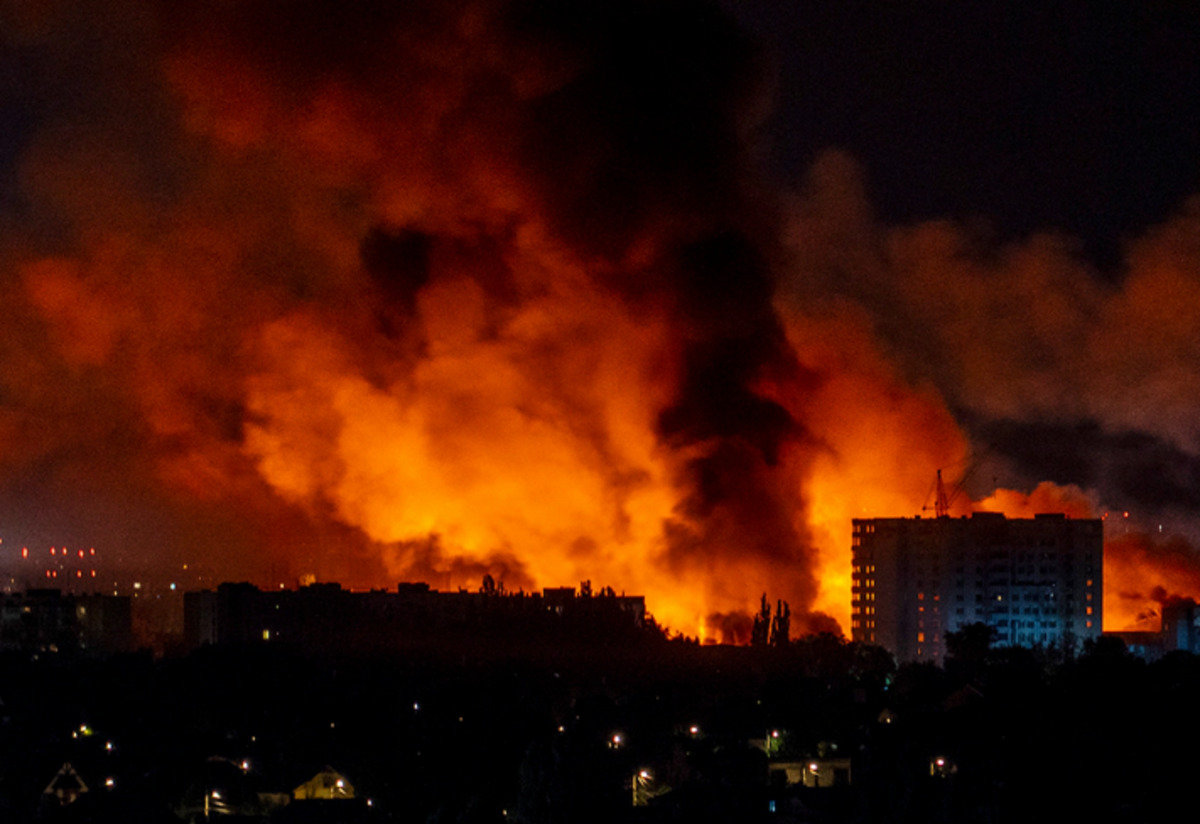
Among the concrete dust and twisted rebar, rescue workers moved with desperate urgency through the smoldering debris in the city of Ukraine. Every block cleared revealed another layer of grief. Eight more bodies pulled from the rubble, bearing wounds that will permanently alter the shape of their days, even if they survive the hospital ward.
Why We Look Away
It is easier to look away.
We protect ourselves with distance. We tell ourselves that geopolitics is a chess game played by men in distant rooms, moving armies like pawns across a board. We forget that the board is made of flesh and bone. We forget that every escalation, every retaliatory strike, every strategic calculation lands squarely on the floor of someone's living room.
I remember what it feels like to watch the sky turn the color of a bruised plum, waiting to see where the fire will fall. That helpless suspension of breath. The agonizing realization that human life has been reduced to acceptable collateral in a war of wills.
The cold facts of the latest attack tell us only part of the story. They tell us the altitude, the trajectory, the casualty count. They do not tell us about the silence that follows the sirens. They do not measure the weight of the air when a community realizes that safety is entirely an illusion.
The Unending Echo
When the smoke finally clears and the rescue crews pack up their heavy gear, the true test begins. Not for the governments, but for the survivors. They must walk back into the wreckage of their histories and try to find a reason to keep breathing in a world that has proven itself entirely indifferent to their survival.
The tea on the table grows cold. The window remains shattered. And somewhere, far away, another target is being chosen.
We must stop treating these moments as background noise. They are the defining tragedy of our era. Every siren is a reminder of our collective failure to keep the peace. Every casualty is a tear in the fabric of our shared humanity.
Listen closely to the silence left behind after the blast. It is asking us how much longer we will let the sky fall.