The floorboards are cold. It is six-fifteen on a Tuesday in November, the hour when the house smells of stale coffee grounds and the quiet radiator hiss of an old apartment trying too hard. You slide your bare heels out from beneath the quilt, bracing for the familiar shock. That icy morning sting against the hardwood. It is a small misery, but it is routine. We collect these little discomforts like lint in the pocket of a winter coat.
Then you remember the box by the coat rack. In other updates, take a look at: Why This Centenarian Flash Mob Is the Wake-Up Call You Didn't Know You Needed.
Footwear occupies a strange, sacred space in our wardrobes. We buy running shoes for aspirations we will abandon by February, high heels for nights that demand posture, and rain boots that stay dusty in the back of the closet until the clouds break. But then there are the shoes you live in. The ones that smell faintly of hearth smoke and dog walks. The ones whose sheepskin footbeds have flattened over three winters into the exact topography of your toes.
For a long time, owning that specific kind of comfort came with a quiet penalty. You looked at the price tag, you whistled softly through your teeth, and you walked away. Double digits stretching comfortably past two hundred dollars will do that to a Tuesday morning budget. It turns a simple tactile pleasure into a luxury purchase, something weighed against utility bills and grocery restocks. ELLE has provided coverage on this important subject in great detail.
Except the math shifted.
Markets are fickle beasts, driven by invisible currents of inventory cycles, seasonal transitions, and the frantic dance of retail logistics. When winter inventories peak just as the calendar rolls past the holiday buying rush, a peculiar thing happens to luxury items. They stumble into affordability. Suddenly, genuine shearling-lined boots—the kind traditionally hovering around the cost of a weekend getaway—slip into territory well under the hundred-dollar threshold.
Consider Maya, who commutes forty minutes each way to a chilly medical clinic where tile floors suck the warmth straight out of her ankles. For three years, she made do with synthetic knockoffs bought from bargain bins, boots that lost their waterproofing after the first slush puddle and flattened into cardboard sadness by January. She treated shoes as disposable commodities, replacing them annually like cheap lightbulbs.
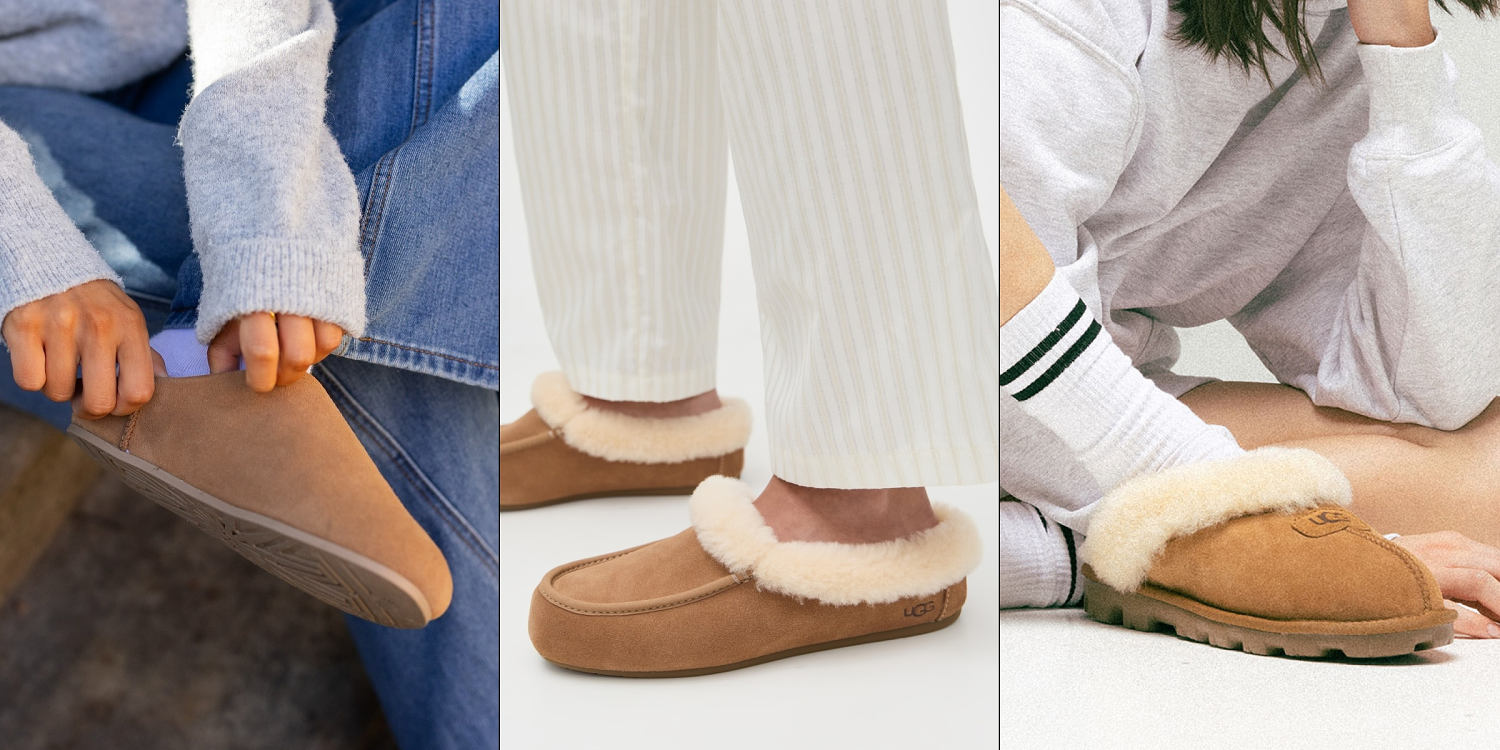
When she finally caught a seasonal markdown on a classic pair of authentic Ugg footwear dropping south of the century mark, she hesitated. It felt like a trap. Quality at a discount always triggers our modern skepticism. We assume the catch is hidden in the stitching or buried in the fine print.
There was no catch. Just the strange, beautiful intersection of overstocked distribution centers and the sudden shift toward spring retail windows.
The psychology of finding a deal on something durable is fascinating. It triggers a small, primitive dopamine hit. You aren't just saving money; you are beating the house. You have acquired luxury at a pragmatic price point.
When those boots finally arrive in their battered cardboard box, the experience is sensory. The scent of treated suede. The ridiculous, cloud-like density of the interior wool lining that feels less like fabric and more like a warm, furry ecosystem. Slip your feet inside them on a freezing morning, and the floorboards don't feel cold anymore. The shock vanishes.
We undervalue comfort in our culture. We treat it as a reward we must earn after suffering through enough blisters and stiff soles. But footwear that genuinely cushions the heel and insulates the arch changes how you move through a room. You take the long way to the mailbox. You walk the dog twice instead of once.
This particular market dip—where genuine sheepskin steps down from its high-tier pedestal into everyday accessibility—won't last forever. Inventory clears, seasons turn, and prices creep back up to their comfortable corporate altitudes. But for right now, the gap between aspiration and acquisition has narrowed.
The floor is still cold. The coffee is still brewing. But somewhere in the hallway, waiting by the door, is a pair of shoes that turns a Tuesday morning into something soft.