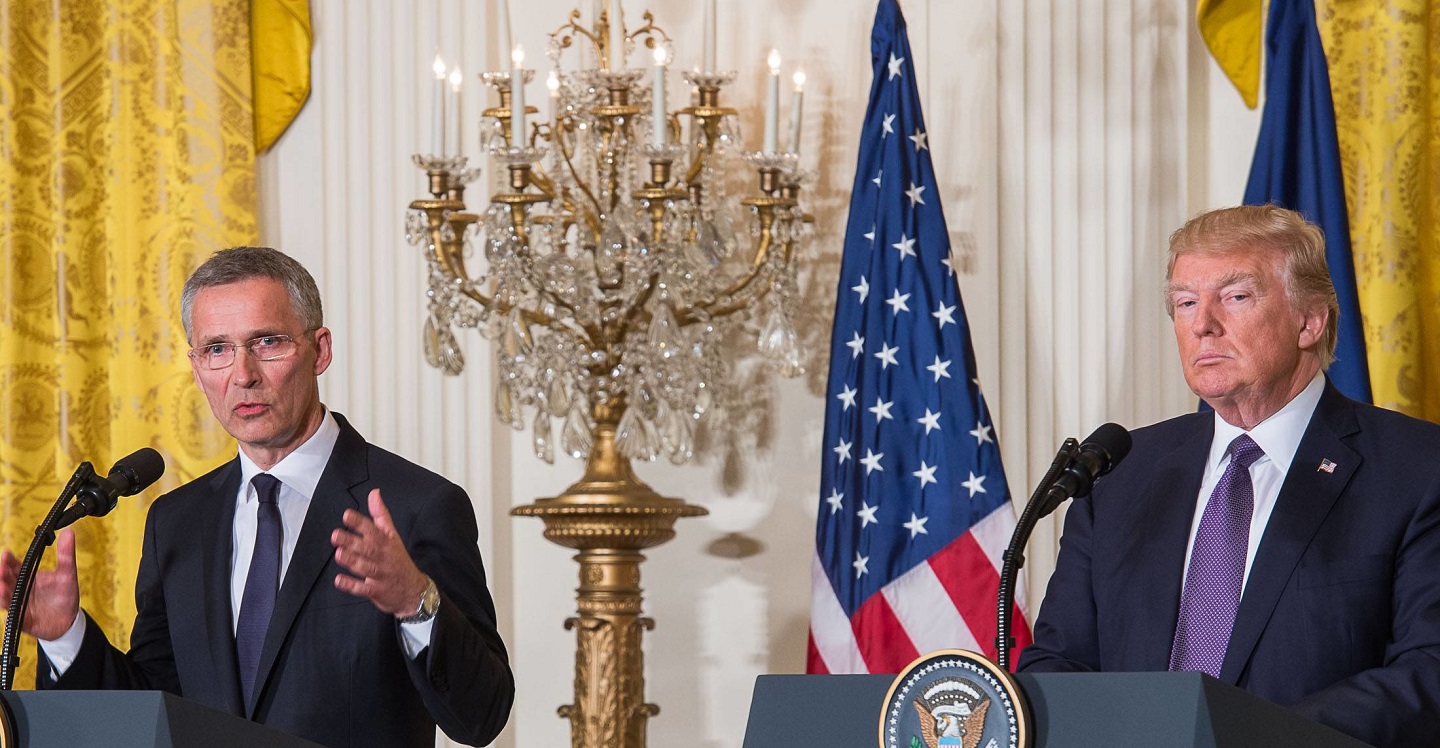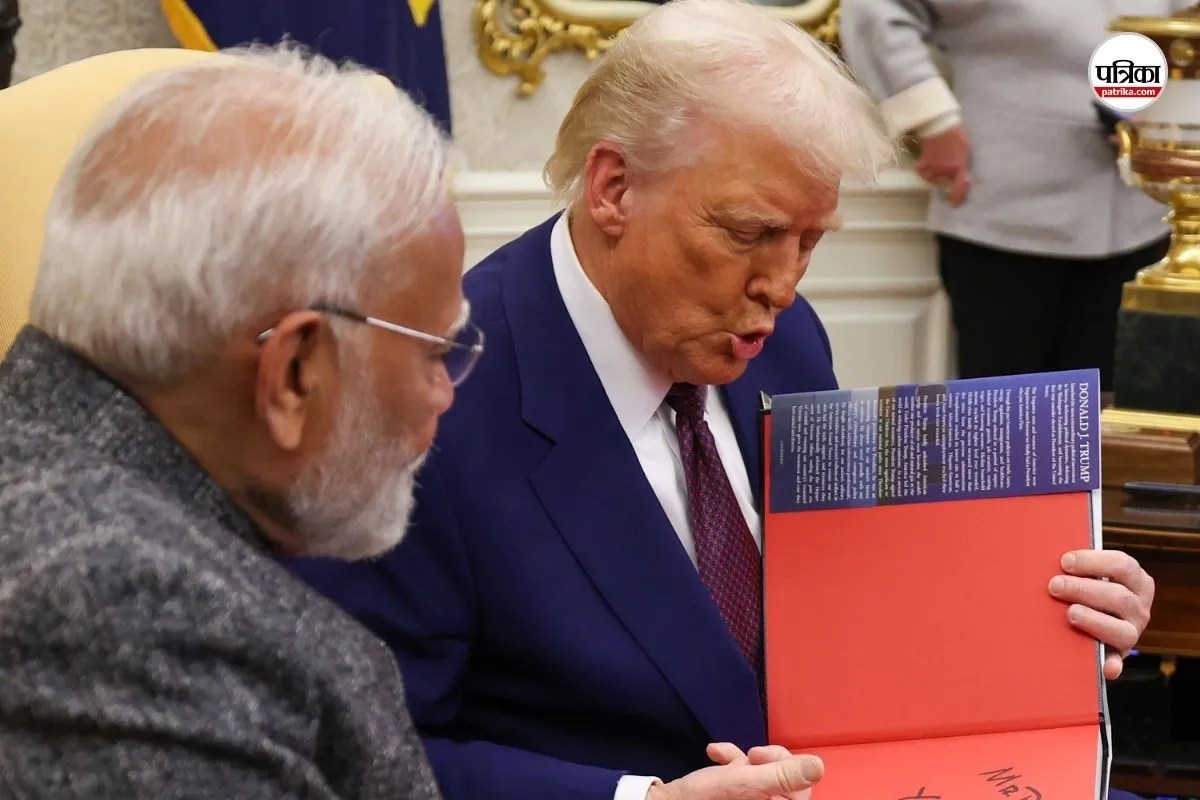
The mainstream media is currently hyperventilating over a phone call. Specifically, the congratulatory dial-in between Prime Minister Narendra Modi and President-elect Donald Trump. The headlines are dripping with the same tired "special chemistry" narrative we’ve seen since 2016. They want you to believe that a warm greeting and a few shared jokes about being "true friends" equate to a seamless diplomatic era.
They are lying to you. Or worse, they are lazy.
Personal rapport in high-stakes geopolitics is the glitter on a lead pipe. It looks nice, but it doesn't change the weight of the object. While analysts obsess over the tone of Trump’s voice or the speed with which Modi placed the call, they are ignoring the cold, friction-heavy machinery of trade, immigration, and defense that is about to grind into gear.
The Myth of the "Great Friend" Discount
Let’s dismantle the first bit of nonsense: the idea that Trump’s personal affection for Modi translates into a "pass" for India.
Trump is a transactional nationalist. He views the world through a balance sheet, not a friendship bracelet. In his first term, despite the "Howdy Modi" and "Namaste Trump" spectacles, he stripped India of its preferential trade status under the Generalized System of Preferences (GSP). He complained loudly about Indian tariffs on Harley-Davidson motorcycles.
I have watched diplomats spend months building "personal bridges" only to have them torched by a single 2:00 AM policy shift. If you think the "friendship" will stop Trump from pushing "America First" protectionism that hits Indian IT services or pharmaceutical exports, you haven't been paying attention. India is currently on the "monitoring list" for currency practices. Trump doesn't give discounts to friends; he expects better deals from them.
The H-1B Reality Check
The "People Also Ask" sections of the internet are currently flooded with variations of: "Will Trump be good for Indian students and workers?"
The honest answer is "No," but with a side of "It’s complicated."
The consensus view is that Trump loves Indian-Americans because they are a high-achieving demographic. That is irrelevant to his policy goals. His administration will likely tighten the screws on the H-1B visa program again. Why? Because his base demands restricted legal immigration just as much as they want a wall.
- The Premise: "Trump likes India, so visas will be easy."
- The Brutal Truth: Trump views labor as a zero-sum game. If an Indian engineer takes a job in Austin, he sees it as a job lost for an American.
Expect higher wage requirements for H-1B holders and more bureaucratic hurdles. If you are a tech firm relying on cheap offshore labor moved onshore, your margins are about to get eviscerated. The "friendship" won't save your HR department.
The China Trap
The most dangerous misconception is that India and the U.S. are now "aligned" because of a shared disdain for Beijing. This is a shallow reading of a complex three-body problem.
Washington wants India to be a "bulwark" against China—a nice way of saying they want India to take the physical risks while the U.S. provides the hardware. New Delhi, however, is not interested in being a junior partner in a new Cold War. India values "Strategic Autonomy."
Trump’s approach to China is erratic. He might slap 60% tariffs on Chinese goods, which theoretically helps India’s "Make in India" initiative. But he could just as easily cut a "Grand Deal" with Xi Jinping that leaves India out in the cold. Relying on the consistency of a Trump administration’s foreign policy is like trying to build a skyscraper on a trampoline.
The Tariffs are Coming for Everyone
During the campaign, Trump called India the "biggest tariff charger." He wasn't joking.
The media focuses on the "warmth" of the call to avoid talking about the "Reciprocal Tax Act." Trump wants to match India’s high import duties on a dollar-for-dollar basis.
- Manufacturing: If India continues to protect its local industries with high duties, Trump will retaliate.
- Energy: India needs cheap oil and gas. Trump wants to "drill, baby, drill." There is a deal to be made here, but it will be a hard-nosed purchase agreement, not a gift between pals.
- The Dollar: A stronger dollar under Trump makes India’s energy imports more expensive, regardless of how many times they call each other "friend."
Experience Over Optics
I’ve seen portfolios ruined by investors who "bet on the vibe." They see two leaders hugging and assume the regulatory environment will soften. It never does. The bureaucracy in both D.C. and New Delhi is designed to resist sudden movements.
The Indian Ministry of External Affairs is one of the most sophisticated in the world. They know this. They are preparing for a bumpy ride while the PR teams put out fires and talk about "shared values."
If you are looking for actionable advice: Ignore the transcripts of the call. Watch the United States Trade Representative (USTR) filings. Watch the Department of Labor’s memos on prevailing wages. That is where the real relationship is written.
The "Modi-Trump" chemistry is a marketing campaign for a product that hasn't passed safety testing. It’s a performance for the cameras designed to keep the markets calm while the actual structural shifts happen in darkened rooms.
Stop looking at the handshake. Start looking at the ledger.
The era of "diplomacy by photo-op" is over, even if the cameras are still flashing. You can either buy into the fairytale of a global bromance, or you can prepare for the most aggressive trade negotiations of the decade. The phone call wasn't a beginning; it was a warning.