Art is supposed to make us uncomfortable. If a piece of theater wraps a catastrophic social wound in a neat little bow, it fails.
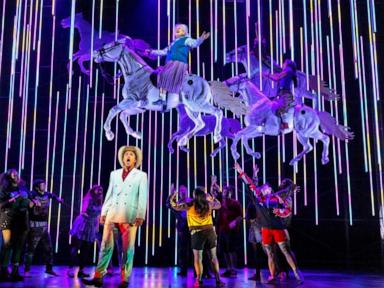
Composer Missy Mazzoli and librettist Royce Vavrek didn't write a polite musical. They built a theatrical fever dream. Their new opera, The Galloping Cure, just made its world premiere at the Edinburgh International Festival. It tackles the American opioid crisis head-on, but it skips the dry congressional hearings and clinical statistics. Instead, it uses a carnival carousel, singing sheep, and a devilish huckster named Lucky Mack. You might also find this connected coverage interesting: Cataloging Songwriting Value Metrics Inside Institutional Halls of Fame.
It sounds bizarre on paper. On stage, it cuts right to the bone.
The Personal Grief Behind the Score
Most people don't know that Mazzoli's motivation wasn't born in a vacuum. She lost two cousins to overdoses. Both were only 25 years old. One died from OxyContin; the other died from heroin after addiction took hold. As reported in detailed coverage by E! News, the effects are worth noting.
When creators have skin in the game, the work changes. You can feel that weight in every bar of the music.
Mazzoli and Vavrek have spent years building a reputation as the powerhouse duo of modern American opera, with hits like Breaking the Waves. But The Galloping Cure hits different. It's loud. It mixes gritty club beats with folk Americana and sharp brass. It sounds like a rave colliding with a tragedy.
Why Franz Kafka and Karen Russell Were the Right Fit
Translating a real-world plague into a lyric stage work is tricky. Preachy art is bad art.
To bypass the trap of documentary-style moralizing, the creative team turned to Pulitzer Prize-winning novelist Karen Russell. Russell looked back at Franz Kafka's classic short story, A Country Doctor. She dreamed up a fairy-tale framework influenced by the grim storytelling of the Brothers Grimm.
In the opera, a decaying industrial town is crippled by chronic pain. The local physician, Dr. Theresa Hart, is overwhelmed and drowning in her own migraines. Enter Lucky Mack. Dressed in a sharp white suit and cowboy hat, he rolls into town wheeling a carousel.
The pitch is simple. The first ride is completely free. It wipes away all physical aches and emotional trauma, replacing it with pure euphoria.
Then comes the trap.
The Anatomy of an Addiction Allegory
You see the trap spring open slowly. Mack institutes dynamic pricing. He sets limits on rides. When money runs out, he rents out stick-horses for private use at home. Eventually, he demands physical sacrifices—hair, teeth, eyes, and tongues—to fuel the macabre woodwork of his carousel.
It's a brutal mirror for big pharma's playbook. They hooked a vulnerable population with promises of safe, manageable pain relief, only to pull the rug out when dependency set in.
Baritone Justin Austin plays Mack with a slick, skin-crawling charm. Daniela Mack anchors the chaos as Dr. Hart, capturing the agonizing guilt of a professional who accidentally endorsed the poison. Meanwhile, Susan Bullock steals scenes as Ivona Kowalski, an older resident willing to give up her own body parts just to feel normal.
Where the Production Goes Next
Edinburgh got the first look, but this beast is traveling. The production is a massive co-commission involving Scottish Opera, Opera Ventures, Sweden's NorrlandsOperan, the Canadian Opera Company, and San Francisco Opera.
If you are in Europe, catch it while it runs in Sweden this autumn. If you are stateside, mark your calendar for San Francisco's run.
Go see it. Let the club beats rattle your ribs. Pay attention to how a carousel ride turns into a nightmare, because art this sharp doesn't come around every season.