The grass stains on his knees used to be free.
They came from Saturday afternoons spent grinding through turf pellets at a local high school stadium, under the hum of auxiliary lights that flickered every time a moth flew too close. Back then, football was a simple transaction of sweat for a scholarship offer. You traded your body for an education, hoping a university diploma would catch you when gravity finally won its inevitable argument with your joints.
Today, the math has warped.
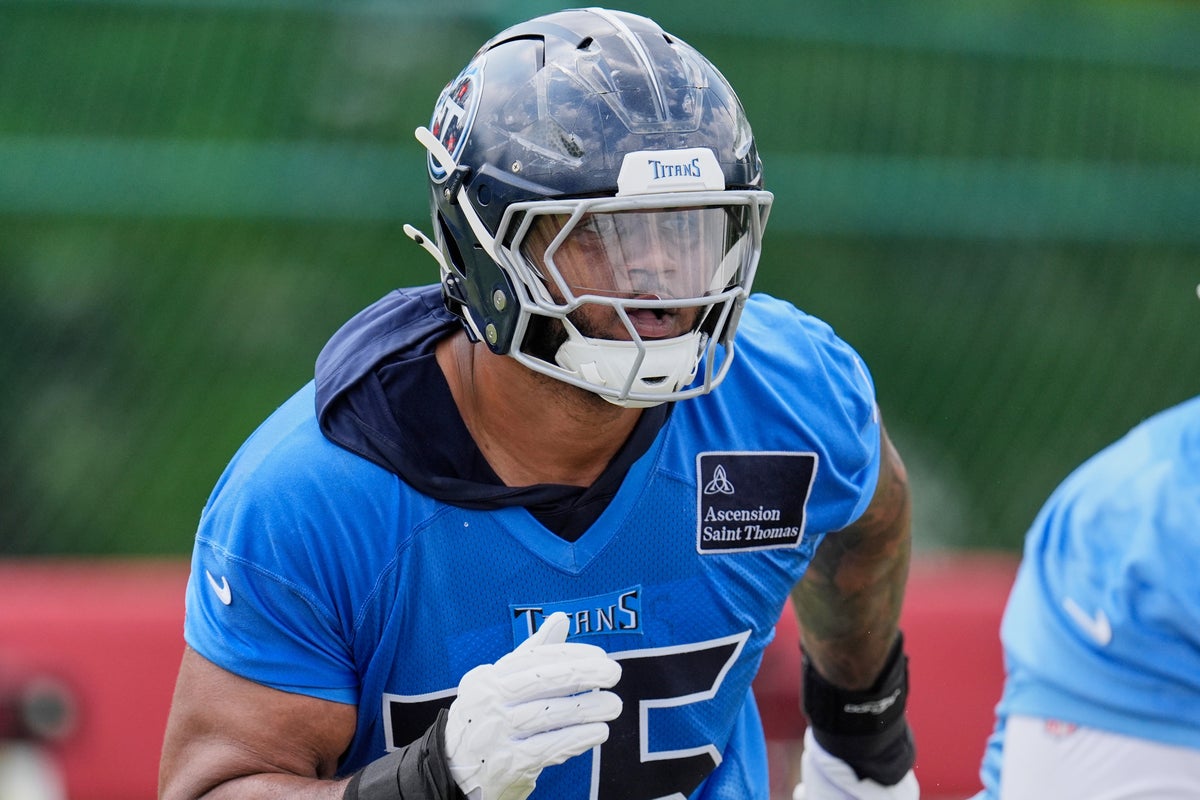
Consider Marcus, a fictional name for a very real archetype pacing locker rooms across America. He stands six-foot-five, weighs three hundred pounds, and can move with the terrifying grace of a middle linebacker while protecting his quarterback’s blind side. On a Tuesday night in autumn, Marcus checks his mobile banking app. The balance reflects a deposit that would make a corporate executive blink. Four million dollars.
Not in three years. Not after taxes and endorsements in the professional ranks. Right now. In college.
The air in the training facility smells of icy hot, wet towels, and sudden, dizzying wealth. Booster clubs, collectives fueled by wealthy alumni, and multi-million-dollar athletic budgets have transformed campus athletics into a professional market operating under the guise of higher education. A premier left tackle can pull down numbers in college that surpass what rookie offensive linemen might sniff on their initial NFL deals, or at least challenge the guaranteed baseline of those contracts.
And everyone is asking the same quiet, anxious question. Is this pay for play?
To understand why this shift feels so jarring, we have to look at what college football used to be. For a century, the NCAA built an empire on amateurism. It was a peculiar kind of amateurism, one where stadiums seated one hundred thousand roaring fans, television networks paid billions for broadcast rights, and coaches commanded salaries that rivaled Fortune 500 CEOs. The players, however, wore jerseys without names and ate training-table pasta under the strict watch of rules that forbade them from profiting off their own images.
It was a system designed to protect everyone except the labor force.
When Name, Image, and Likeness rules arrived, they were supposed to be an equalizer. The logic was clean, almost poetic: if a quarterback sells thousand-dollar jerseys with his number on the back, he should get a cut of the cotton. If a star running back signs a local car dealership endorsement, he should be allowed to feed his family back home. That is free enterprise. That is America.
Yet, free enterprise has a way of evolving into something unrecognizably fierce.
What began as localized marketing deals has mutated into a sprawling, unregulated market of direct inducement. Collectives pool millions of dollars from enthusiastic donors whose loyalty to their alma mater supersedes basic financial sense. These funds function like a professional salary cap, only without the cap. They do not wait for the player to build a brand. They pay for the brand in advance.
They pay for the tackle.
Let us trace the trajectory. A five-star offensive lineman enters the transfer portal. Within forty-eight hours, his phone lights up with digital recruiters offering houses, cars, and guaranteed payouts through collective-backed NIL agreements. The campus visit is no longer just about academic prestige or offensive schemes. It is a financial pitch meeting. The highest bidder wins the draft, except there is no commissioner, no draft lottery, and no collective bargaining agreement to keep the chaos contained.
Pause for a second and think about what this does to the locker room dynamic.
Imagine sitting in a team meeting room. You are a walk-on, a kid who earns his spot through sheer grit, paying tuition out of pocket or scraping by on partial financial aid. You take the same hits, run the same wind sprints, and risk the same torn anterior cruciate ligament as the guy sitting three chairs down who just cleared four million dollars before throwing a single block in a conference game.
Human nature resists this kind of structural friction. Resentment breeds quietly in the cold plunge tanks. Leadership becomes complicated when the player making the most money isn't necessarily the hardest worker, or when a freshman arrives with a garage full of luxury vehicles while team captains worry about rent.
Yet, pointing fingers at the players misses the mark entirely.
For decades, universities capitalized on amateur status to hoard revenues that rightfully belonged to the labor. Coaches jumped from school to school for astronomical buyouts, athletic directors built luxury suites with marble countertops, and television networks printed money. The system was broken long before the money found the athletes. The current chaos is not a corruption of college sports; it is the inevitable market correction of a system that refused to pay its workers for generations.
When a left tackle protects a quarterback's blind side, he is protecting an asset worth tens of millions of dollars to the university. A single marquee victory can trigger millions in ticket sales, merchandise boosts, and institutional donations. If the university is a billion-dollar enterprise, why shouldn't the premier talent get a slice of the active capital?
The complication arises from the lack of guardrails.
Professional leagues have salary floors, caps, contracts, and unions. They have rules that govern tampering, free agency windows, and contract enforcement. College sports currently has none of these mechanisms. It is the Wild West with a television contract. Schools poach players mid-season through tampering loopholes. Boosters write blank checks without regulatory oversight. Title IX implications hover over athletic departments trying to balance massive football payouts with non-revenue Olympic sports.
The system exists in a legal gray zone that satisfies no one.
Coaches hate it because they spend half their time managing the transfer portal and the financial demands of current players instead of drawing up game plans. Fans feel alienated, watching their favorite players treat schools like temporary landing spots rather than institutions they represent. Players themselves feel the pressure of performing like corporate assets while navigating the social minefield of campus life with a target on their backs and a bank account that makes them a walking headline.
We are watching the old world die in real time.
The romantic vision of college football as a pure sanctuary of collegiate loyalty is gone, replaced by a hyper-capitalist reality where loyalty is rented by the semester. You can mourn the past, but you cannot unring a bell this loud.
The path forward demands structure. It demands collective bargaining, employment status for athletes, and legally binding contracts that replace handshake NIL deals with transparent terms. Until the NCAA and university leadership step up to build professional frameworks for a professionalized sport, the chaos will reign.
Until then, the left tackle will sign his papers in a hotel conference room, look at a number that could buy a small island, and step out onto the grass. The stadium lights will hum. The crowd will roar. And beneath the roar, the quiet hum of money will keep score.