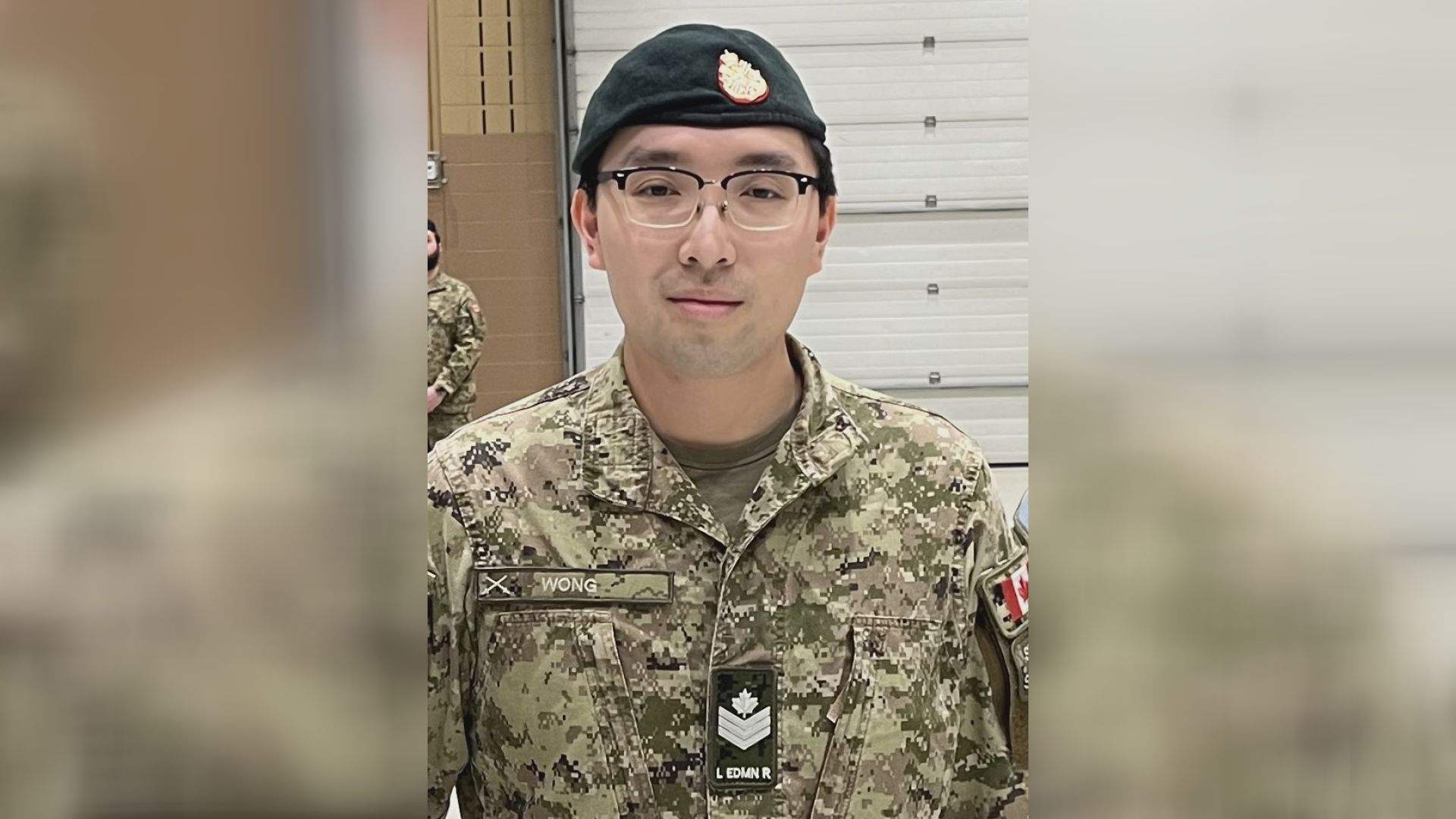
Public mourning rituals after a non-combat military tragedy are broken.
Look at the standard media coverage surrounding the funeral service for Sgt. Morgan Wong, who died following a fire at Canadian Forces Base Wainwright. The press releases roll out. The regimental honors are scheduled. The public offers solemn platitudes about sacrifice, duty, and tragic loss.
Then everyone moves on. Nothing gets fixed.
The lazy consensus in defense reporting treats domestic base fatalities like unavoidable acts of nature—solemn events to be memorialized with flags at half-mast rather than systemic failures to be interrogated. By focusing exclusively on the ceremonial pageantry of a funeral, standard news coverage unintentionally shields military infrastructure, barracks safety, and peacetime operational protocols from the scrutiny they demand.
Honoring a soldier requires more than a dignified burial. It requires refusing to let their death be absorbed into a comforting narrative that ignores how they died in the first place.
The Myth of the Unavoidable Peacetime Accident
When a service member dies in a combat zone, the public understands the calculus of risk. War is chaotic, lethal, and unpredictable.
When a soldier dies in a fire on a domestic training base like CFB Wainwright, the public applies that exact same fatalistic logic. That is a massive category error. Peacetime training bases are controlled environments governed by strict building codes, fire suppression mandates, and command oversight. A fatal fire in a domestic garrison is not an act of war; it is a failure of prevention.
Yet the media coverage surrounding these funerals routinely adopts a tone of passive grief. Reporters transcribe official Department of National Defence statements word-for-word. They highlight the soldier's unit, their deployments, and the logistics of the memorial service. What gets buried beneath the ceremonial details is the central question: Why are service members still dying in preventable infrastructure incidents on home soil?
I have spent years analyzing military safety audits and post-incident board of inquiry reports. The pattern is always identical. Immediately following a fatality, institutional communication shifts entirely into reputation management and ceremonial grief. By the time a formal Board of Inquiry releases its findings—often eighteen to twenty-four months later—the public's attention has evaporated. The recommendations sit in a binder, underfunded and unimplemented, until the next tragedy triggers the exact same funeral cycle.
Ceremonial Pageantry as Institutional Insulation
Military funerals serve a vital purpose for families and comrades. They provide closure, validate a life of service, and bind a grieving unit together. Nobody disputes the necessity of honoring Sgt. Wong with full military traditions.
The problem arises when the ceremony becomes the entire public conversation.
In defense communications, high-visibility mourning acts as a pressure release valve. It satisfies the public's emotional need to "do something" and "pay respects" without requiring politicians or senior brass to answer hard questions about aging base infrastructure, fire detection standards, or emergency response times.
Consider how civilian industrial accidents are covered. If a worker dies in a factory fire, headlines immediately demand answers about OSHA violations, sprinkler failures, and corporate negligence. The funeral is a private family matter; the public focus is entirely on accountability.
In the military, that dynamic is inverted. The funeral becomes the public spectacle, while the investigation disappears behind closed doors under the guise of operational security and administrative procedure.
What People Actually Need to Ask About Base Fatalities
If you search for news on military training base deaths, the standard questions revolve around funeral times, GoFundMe links, and official statements of condolence. Those questions miss the point entirely. If we actually care about the soldiers still living in those barracks, the questions need to shift immediately:
- What was the age and inspection status of the structure? Many Canadian Armed Forces bases rely on Cold War-era infrastructure with deferred maintenance backlogs stretching into the billions of dollars.
- Did suppression and alarm systems function as designed? A fire turning fatal in a modern military facility points directly to either delayed detection, inadequate suppression, or hazardous materials stored improperly.
- How long did base fire services take to arrive on scene? Remote training installations like Wainwright present unique geographic challenges for emergency response. Were staffing levels adequate at the exact hour the fire broke out?
- Will the Board of Inquiry report be released unredacted? Historically, military safety investigations are heavily sanitized before the public sees a single page, stripping out the systemic accountability required to force legislative funding.
The Infrastructure Debt Nobody Wants to Fund
Politicians love attending military funerals. They love standing beside honor guards, delivering solemn speeches about valor, and posting carefully framed photos on social media.
Those same politicians consistently balk at approving the unglamorous capital expenditures required to modernize domestic bases.
You cannot cut a ribbon on a new fire-suppression system in a junior ranks barracks. Upgrading electrical wiring in a 1960s-era training building does not generate campaign headlines. Buying new fighter jets or naval vessels grabs attention; fixing crumbling domestic infrastructure gets pushed to the next fiscal cycle.
This is the core hypocrisy of modern military support. The public and political class are eager to celebrate the warrior ethos and mourn fallen soldiers, yet utterly indifferent to the physical conditions those soldiers inhabit when they are not deployed.
According to multiple reports from the Auditor General of Canada over the past decade, the Department of National Defence has consistently struggled to maintain its real property portfolio. A massive percentage of military buildings across the country are rated in poor or critical condition. When you house thousands of personnel in aging structures and run high-tempo training operations out of outdated facilities, catastrophic accidents stop being statistical anomalies. They become mathematical certainties.
Why Traditional Defense Journalism Fails Service Members
Part of the blame lies with how defense beats operate. Access journalism breeds compliance. Reporters who rely on public affairs officers for base visits, interviews, and background briefings are inherently hesitant to turn a funeral announcement into an investigative interrogation of base safety.
The result is a predictable, sanitized template:
- The Incident Brief: A terse press release noting a "tragic incident" and withholding names pending next-of-kin notification.
- The Identification: A short bio highlighting the soldier's rank, trade, and years of service.
- The Funeral Notice: Details on the memorial service, pallbearers, and statements from senior commanders praising the member's dedication.
- The Silence: Months of total media blackout while an internal investigation drags on out of public view.
This cycle treats military personnel as tragic heroes rather than employees owed a safe workplace. Under Canadian labor law, civilian employers face criminal liability under the Westray Bill if a failure to maintain safe working conditions results in a worker's death. The military operates under its own separate legal and administrative framework, insulating command structures from the immediate external accountability that governs every other hazardous profession.
The Downside of Turning Grief into Scrutiny
Taking a hard, investigative stance during a funeral week carries real risks. Families grieving a sudden, devastating loss do not want their loved one's name turned into a political football or a talking point for budget critics. There is a fine line between demanding systemic accountability and intruding on private sorrow.
Furthermore, rushing to assign blame before fire investigators and forensic engineers complete their work leads to bad conclusions. Fires are complex chemical and structural events. Pointing fingers at base maintenance or command negligence before the physical evidence is processed is irresponsible.
However, demanding transparency is not the same as fabricating blame. You do not need to know the exact ignition source of the CFB Wainwright fire to point out that domestic military fatalities demand the exact same public scrutiny as civilian industrial deaths. Respecting the family means giving them space to grieve; respecting the soldier means refusing to let the institution bury the systemic lessons alongside them.
How to Actually Honor a Fallen Soldier
If you want to measure how much a nation truly values its military, ignore the attendance at the funeral. Look at the budget allocations for base maintenance six months later. Look at whether the safety recommendations from the subsequent inquiry are made public and enforced across every other installation in the country.
Public mourning without institutional reform is just theater.
Real respect looks like aggressive legislative oversight. It looks like journalists filing Access to Information requests the morning after a tragedy to pull the last five years of fire inspection logs for that specific building. It looks like demanding hard deadlines for Boards of Inquiry so families and fellow soldiers are not left waiting years for basic answers about how their friend died.
Sgt. Morgan Wong served his country and deserves every ounce of honor his regiment will bestow upon him during his service. The troops still sleeping in barracks across CFB Wainwright, Petawawa, Gagetown, and Edmonton deserve something else entirely.
They deserve to know the buildings they live in won't kill them while they sleep.