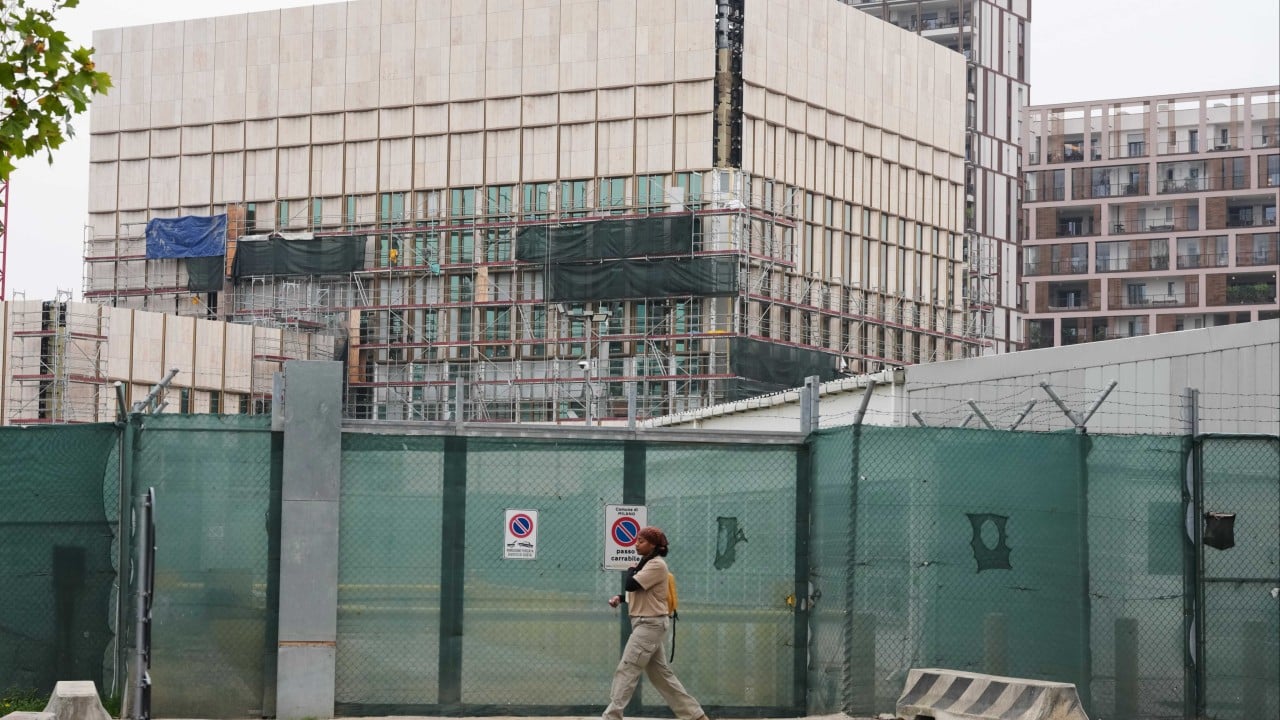
Dozens of construction workers lined up in Milan to sign agreements that changed European labor history. Most of them came from India. They spent months building a sprawling new United States consulate compound while facing conditions that prosecutors later labeled severe labor exploitation. Now, they are splitting a massive payout.
Alabama-based Caddell Construction agreed to a staggering 31-million-euro settlement, roughly $35 million, marking the largest payout for labor exploitation ever recorded in Europe. Investigators, trade unions, and prosecutors uncovered systemic underpayment and gruelling schedules that left workers isolated and trapped. If you found value in this post, you should look at: this related article.
Big corporate contractors often hide behind complex layers of international subcontracting. When problems surface, accountability usually vanishes. But this case tore down those bureaucratic walls.
Inside the Record Breaking 35 Million Dollar Deal
The raw numbers behind the settlement reveal the scale of the abuse. Out of the total 31 million euros, roughly 19.7 million euros goes directly into the pockets of the workers. The rest covers unpaid obligations to Italy's social security authorities and labor inspectorate. For another perspective on this event, check out the latest coverage from Al Jazeera.
Nearly 480 workers qualify for the compensation package. This group includes about 300 individuals still working on the site, another 100 scattered across different parts of Italy, and others who already returned to their home countries.
Beyond the cash payouts, the human cost sparked swift policy interventions from Italian authorities. The country's Labor Ministry stepped in to grant special residence permits to 265 workers, shielding them from deportation while investigations proceed. Dozens more secured unemployment benefits.
Dilip Ram, one of the Indian workers who signed the agreement, pointed out the immediate change on the ground. Workers finally get proper rest breaks. The site environment shifted because prosecutors and local trade unions like CGIL refused to look away.
Why International Mega Projects Fail Worker Safety
Global construction projects managed by foreign entities often operate in regulatory gray zones. Workers are recruited from economically vulnerable regions overseas with promises of stable wages and a secure path abroad. Once they arrive, reality hits hard. Passports get scrutinized, debt bondage takes root, and language barriers prevent workers from reporting violations to local authorities.
In Milan, the construction site for the high-profile US consulate became a focal point precisely because of its diplomatic prestige. You cannot build a fortress for international diplomacy using modern indentured labor without inviting immense scrutiny.
Italian prosecutors used strict domestic labor protection laws to pierce through corporate shields. Caddell Construction faced intense pressure as criminal probes widened. Rather than dragging out a multi-year courtroom battle that would paralyze the project and invite global public relations disaster, the company opted for a record-shattering settlement.
What This Means for Future Foreign Labor Practices
This settlement sends a shockwave through multinational construction firms operating across Europe and North America. Contractors can no longer rely on downstream subcontractors to absorb the legal blow when wage theft or safety violations come to light.
Governments hosting foreign diplomatic missions are waking up. Diplomatic immunity or project sovereignty does not grant a free pass to exploit migrant labor on local soil. When unions and labor inspectors coordinate effectively, even multi-billion-dollar American contractors must pay up.
If you hire migrant workers across borders, the hidden costs of exploitation are catching up. The days of cheap labor fueled by silence are ending.