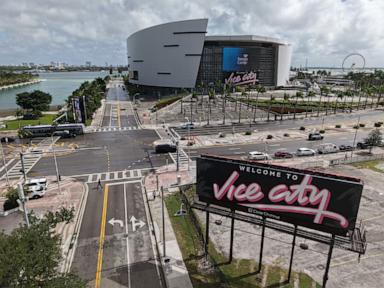
Miami already looks like a satire of itself. You don't need a game controller to notice the gleaming glass towers next to half-finished concrete skeletons, the pastel art deco facades, or the sheer theatricality of South Beach at dusk. When Grand Theft Auto VI arrived on November 19, 2026, the city didn't just watch from the sidelines. Local governments, sports teams, nightclubs, and neighborhood burger joints leaned straight into the Vice City alter ego.
That strategy works better than most skeptics expected, though it isn't without friction. With over 13 years since the previous mainline release and Sony reporting more than 39 million unique players on PS5 alone around launch, Rockstar's fictional version of Miami and Leonida became a global cultural magnet overnight. Turning real streets into Vice City touchpoints gave Miami an instant hook for travelers, sports fans, and locals alike.
Still, leaning on a gritty, crime-soaked fictional twin carries real baggage. Critics and residents have asked whether taxpayer dollars belong in a video game tie-in, or whether digital tourism ever translates into actual plane tickets and hotel stays.
How Miami Became Vice City in Real Life
Most game marketing campaigns stick to billboards, bus wraps, and influencer unboxing boxes. Miami went further. Miami-Dade County signed a $3.9 million promotional agreement tied to the GTA VI launch, while Miami Beach approved specific public installations after weeks of municipal wrangling.
A giant pink "Vice BEACH" sign went up in Lummus Park. A lifeguard tower got repainted in blue and pink with a palm-frond VI mark, Muscle Beach received pink equipment and decals, a three-meter VI sculpture appeared on Lincoln Road, and the W South Beach rooftop leaned into the "Y Hotel" gag seen in promotional material. Over in Wynwood, murals tied into the street-art vibe, while E11EVEN transformed into NINE1NINE for launch weekend.
Sports and food got into the act too. On November 18—the night before the game unlocked—the Miami Heat hosted the Milwaukee Bucks at Kaseya Center under the Vice City banner, wearing special jerseys and closing the night with a Biscayne Bay drone show. Inside the arena and across Florida locations through December 31, local burger spot Skinny Louie stepped in as Burger Shot alongside a Cluckin' Bell counter.
I've watched plenty of destination tie-ins fall flat because they feel pasted onto a city that doesn't care. Here, the city's aesthetic already matches the joke. Miami doesn't have to pretend to be loud, flashy, or self-aware.
The Upside for Tourism, Brands, and Local Culture
If you want to understand why this matters beyond gaming forums, look at the numbers behind Miami's visitor economy. Miami drew 28.3 million visitors in 2025, generating $22.7 billion in direct visitor spending and a $32.2 billion total economic impact. Even a small nudge from a blockbuster title can matter when international travelers are already looking for reasons to book flights.
Consider what happened with Miami Heat Vice City merchandise. Team executive Jennifer Alvarez told the Associated Press that 30% of orders came from outside the United States, shipping to 60 countries. Research from Cinematic Tourism highlights how screen and game tourism works best when real landmarks pair with recognizable on-screen counterparts.
Marketing firm Elevate has also pointed out that GTA players aren't a narrow stereotype; audience data shows a broad demographic with strong interest in travel and motorsports. For local operators, that creates a real window:
- Walking and neighborhood routes: Guides and locals can connect Ocean Drive's art deco hotels, Española Way, and South Pointe to the neighborhoods players recognize on screen.
- Food and nightlife crossovers: Limited-time menus and themed nights give casual visitors a low-stakes reason to show up even if they haven't finished the opening chapter.
- Creative and design visibility: Rockstar worked with over 50 street artists on murals and collaborated with Miami stylist Jillian Carr on fashion details, putting real local talent closer to the spotlight.
Where the Vice City Hype Can Backfire
Let's be honest. Not everyone in South Florida is cheering.
When a county puts $3.9 million toward a promotional deal tied to a franchise famous for car theft, street chaos, and satirical crime, pushback is inevitable. Debate over whether Miami-Dade County is Vice City—and how public money and permits get handled—showed that civic pride and bureaucratic friction live right next door to each other.
There's also a classic trap in pop-culture tourism. People love taking photos next to a pink sign or a themed menu. That doesn't automatically mean they stay an extra night or spend money in struggling neighborhood shops. Locals on forums have rightly wondered whether winter crowds will actually jump because of a video game or stay home to explore virtual streets instead.
Plus, data on GTA VI-specific hotel bookings and flight spikes is still early right after the November 19 launch. Claiming the game single-handedly saved a tourism season would stretch the evidence. A smart strategy treats the game as a spark, not a guarantee.
How to Experience Real Miami Without Getting Played by Hype
If you're visiting Miami or running a business there right now, don't stop at surface-level gimmicks. The real magic of South Florida isn't a neon prop. It's the contrast between polished waterfront glamour, Cuban and Latin roots, rough-around-the-edges streets, and coastal ecosystems like the Everglades and Keys.
If you're planning a trip, build a route that mixes recognizable Vice City inspiration with grounded local spots. Start late afternoon near South Pointe or along Ocean Drive as the pastel art deco buildings catch the light, walk through quieter streets like Española Way, and leave room for neighborhood cafes and art spaces away from velvet ropes. Watch the weather and traffic too—Miami's heat, gridlock, and crowd surges can turn a rushed itinerary miserable fast.
If you run a shop, restaurant, or tour in the area, skip cheap knockoffs that clash with your identity. Tie your offer to something genuine—local ingredients, real architectural history, or evening hours when visitors are actually out walking—and make sure first-time visitors leave wanting to come back for Miami itself, not just a screenshot.