The calm waters off Miami Beach turned into a triage zone this weekend after a massive explosion aboard a recreational vessel sent 15 people to local hospitals. While the immediate focus remains on the survivors—some of whom suffered traumatic injuries and severe burns—the incident pulls back the curtain on a maritime Wild West that has been simmering for years. This was not a random act of God. It was the predictable result of a culture where high-horsepower thrills often outpace safety oversight and mechanical maintenance.
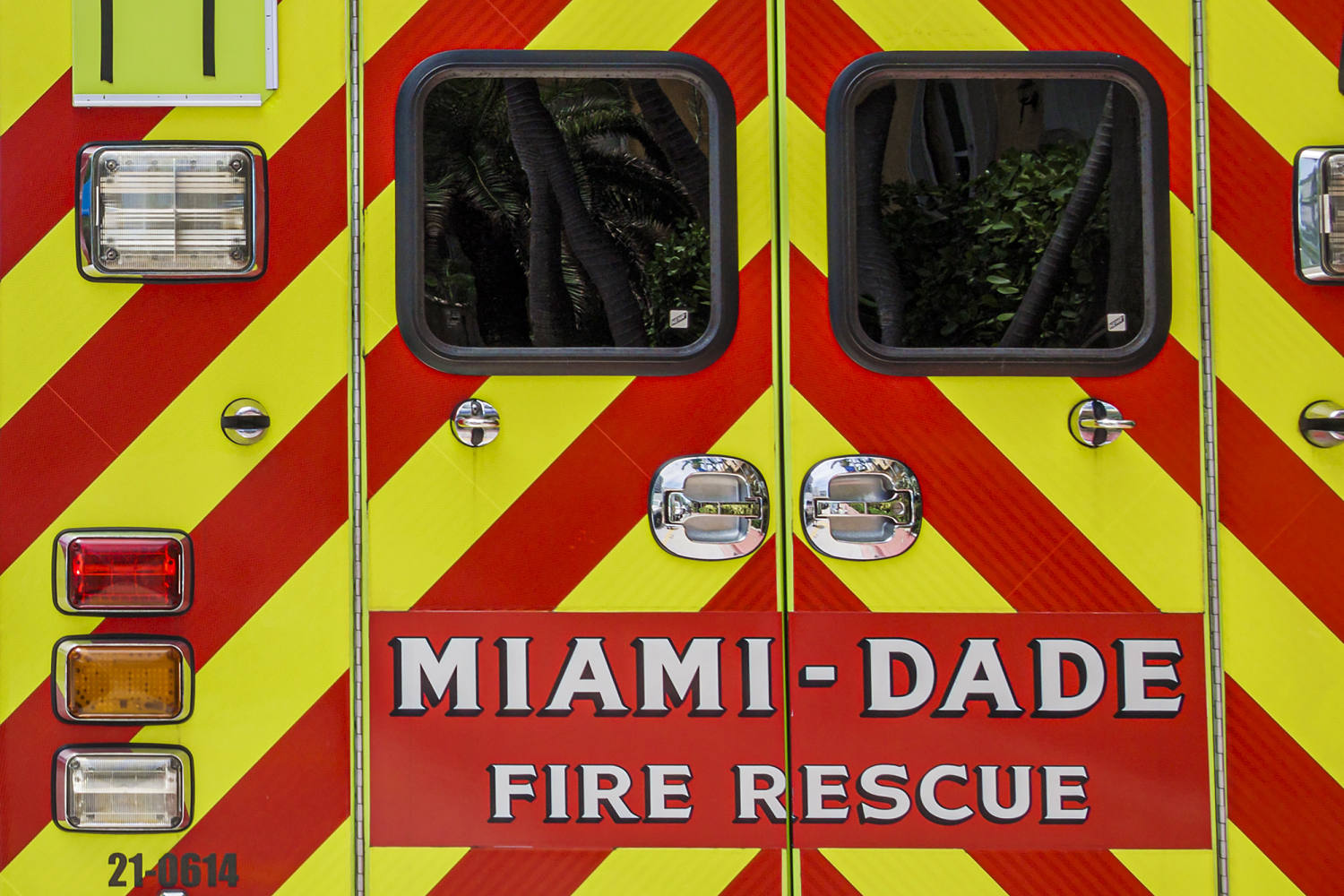
Emergency crews from Miami-Dade Fire Rescue and the U.S. Coast Guard converged on the scene near the Julia Tuttle Causeway, finding a vessel engulfed in flames and passengers scattered in the water. The logistics of the rescue were a nightmare. Moving 15 injured individuals from a floating wreck to land-based ambulances requires a level of coordination that most weekend boaters never consider until the hull is vibrating under their feet.
Preliminary reports suggest a fuel vapor ignition, a common but deadly hazard in the world of gasoline-powered pleasure craft. When a boat sits in the humid South Florida heat, fumes can settle in the bilge. One spark from a frayed wire or a poorly maintained starter is all it takes to turn a luxury fiberglass shell into a bomb.
The Mechanical Failure Point
Most people view boats as floating cars. They are not. A car exists in a relatively stable environment, whereas a boat lives in a corrosive, high-vibration medium that actively tries to destroy every system on board. The salt air eats through electrical connections, and the constant pounding of the Atlantic waves loosens fuel lines.
In many of these mass-casualty incidents, the "why" usually traces back to the engine room. If a blower system—the fans designed to clear out explosive fumes before the engine starts—fails, the operator might not even notice. They turn the key, and the results are catastrophic. Investigative teams are currently looking at whether this vessel was a private pleasure craft or an illegal charter. The distinction is vital because it dictates the level of scrutiny the boat should have undergone before those 15 people stepped on deck.
The Shadow Economy Of Illegal Charters
Miami is the global capital of the "Instagram boat life." This demand has birthed a massive shadow economy of illegal charters. These are vessels that look like legitimate commercial operations but lack the required Coast Guard certifications, licensed captains, and rigorous safety inspections.
To the average tourist, a sleek yacht with a sun-drenched deck looks safe. They don't know to ask for a Merchant Mariner Credential or a Certificate of Inspection. They don't know that a legitimate charter vessel is limited by law on how many passengers it can carry based on its stability and safety gear. When you cram 15 people onto a boat that might only be rated for eight or ten, you don't just risk a fine. You change the center of gravity. You strain the systems. You create a scenario where a single mechanical hiccup becomes a mass-casualty event because there aren't enough life vests or clear exit paths.
The Coast Guard has been playing a high-stakes game of cat-and-mouse with these operators for years. The fines are heavy, often exceeding $60,000 per violation, but the profits from a single holiday weekend can be high enough that some operators view the risk as just another cost of doing business.
The Physical Toll Of A Marine Explosion
The injuries reported in the Miami Beach incident—burns, shrapnel wounds, and blunt force trauma—highlight the violence of a maritime blast. When a boat explodes, it isn't just the fire that kills. The pressure wave travels through the rigid hull, snapping bones and tossing passengers into the water, where they then face the secondary risk of drowning while incapacitated.
Burn centers in South Florida are world-class, but the recovery for the victims of this blast will be measured in years, not weeks. Treating a flash burn from a fuel explosion involves grueling debridement and skin grafts. This is the "how" that the initial news flashes often skip. They mention "15 hospitalized" as a statistic, but they don't describe the reality of a person who went out for a sunset cruise and woke up in an ICU with forty percent of their body covered in bandages.
Red Flags For The Modern Boater
Safety isn't a suggestion; it’s a survival requirement. If you are stepping onto a boat this season, you need to look past the leather upholstery and the sound system. You need to look for the basics that save lives when the engine compartment fails.
- The Smell Test: If you smell raw gasoline, do not let the captain start the engine. Period. Gasoline vapors are heavier than air; if you can smell them on deck, the bilge is likely saturated.
- Capacity Plates: Every boat under 20 feet has a capacity plate near the helm. For larger vessels, the captain should be able to tell you the legal limit. If the boat feels crowded, it is dangerous.
- Safety Briefings: A professional captain will always point out the location of life jackets and fire extinguishers before leaving the dock. If they don't, they are showing you exactly how much they value your life.
- The Bilge Blower: You should hear a humming sound for several minutes before the engines roar to life. That is the sound of explosive fumes being vented out of the hull.
Accountability And The Path Forward
Florida leads the nation in boating accidents and fatalities. While the state has introduced more stringent requirements for boating safety education, the enforcement on the water remains spread thin. There are thousands of miles of coastline and only so many officers to patrol them.
True change won't come from a new set of brochures. It will come from a shift in how we view the water. The ocean is an unforgiving environment that requires constant vigilance. The 15 people currently in Miami hospitals are a stark reminder that when we treat the sea like a backyard swimming pool, the sea eventually reminds us of our mistake.
The investigation into this specific explosion will likely take months. Investigators will sift through the charred remains of the hull, looking for the specific short circuit or the cracked fuel hose that started the chain reaction. By the time they release their final report, the public will likely have moved on to the next headline. But the lessons remain the same. Mechanical negligence and the pursuit of a perfect photo op are a lethal combination.
Stop looking at the brand of the boat and start looking at the date on the fire extinguishers. Demand to see the captain's license. If an operator bristles at your questions about safety, walk back up the dock. It is better to be the person standing on the pier watching the boat leave than the person being airlifted to a trauma center because you didn't want to ruin the mood by asking a hard question.
Check the bilge. Every single time.