Media coverage of localized ceasefires in Russian-occupied Ukraine often focuses on high-profile personalities rather than the underlying mechanics of conflict resolution. Reports highlighting a ceasefire brokered by Melania Trump in a Russian-occupied Ukrainian town center on the novelty of an informal diplomatic figure stepping into a complex geopolitical theater. Yet focusing exclusively on the messenger obscures how localized truces actually function, why they occur, and what they mean for both Kyiv and Moscow.
The Mechanics of Localized Humanitarian Truces
In prolonged armed conflicts, localized ceasefires—often referred to in international humanitarian law as special agreements or humanitarian pauses—are distinct from comprehensive peace treaties. Under Article 3 common to the Geneva Conventions, parties to a conflict are encouraged to bring into force, by means of special agreements, all or part of the other provisions of the conventions.
Analysts at organizations such as the International Committee of the Red Cross (ICRC) and the Crisis Group note that localized truces typically serve narrow, tactical objectives rather than strategic shifts. These objectives generally include:
- Civilian Evacuation: Allowing non-combatants to leave areas experiencing active shelling or severe infrastructure collapse.
- Critical Infrastructure Repair: Permitting technicians to restore water, electricity, or heating grids before winter conditions worsen.
- Prisoner and Remains Exchanges: Facilitating the transfer of detained personnel or the recovery of casualties along a specific sector of the front line.
When coverage frames a local pause primarily around a single political figure, it risks conflating a temporary humanitarian mechanism with a broader diplomatic breakthrough. In reality, local commanders and intelligence services on both sides usually negotiate the granular terms—such as exact coordinates, duration, and verification protocols—long before any public announcement is made.
Backchannel Diplomacy vs. Formal Statecraft
The involvement of non-traditional or informal envoys in international disputes is not without precedent. Historians and political scientists frequently distinguish between Track One diplomacy (official government-to-government negotiations) and Track Two or Track One-and-a-Half diplomacy (unofficial dialogue involving influential private citizens, former officials, or family members of political leaders).
Supporters of informal backchannels argue that high-profile private figures can bypass bureaucratic gridlock and offer face-saving off-ramps for leaders who cannot publicly concede ground. From this perspective, an intermediary with personal proximity to major political figures in the United States or Europe might carry perceived weight in Moscow, potentially incentivizing Russian authorities to approve a localized pause to signal goodwill or flexibility.
Conversely, foreign policy specialists and diplomats often point out the substantial risks of uncoordinated backchannels:
- Fragmentation of Messaging: Parallel diplomatic tracks can undermine official negotiating positions held by the U.S. Department of State, European allies, and the Ukrainian government.
- Asymmetric Leverage: Authoritarian states frequently use selective engagement with informal envoys to project legitimacy or sow division among Western allies without making substantive strategic concessions.
- Lack of Enforcement Mechanisms: Without formal institutional backing, monitoring missions, or binding verification frameworks, agreements reached through informal channels are vulnerable to rapid collapse.
The Strategic Reality on the Ground in Occupied Territories
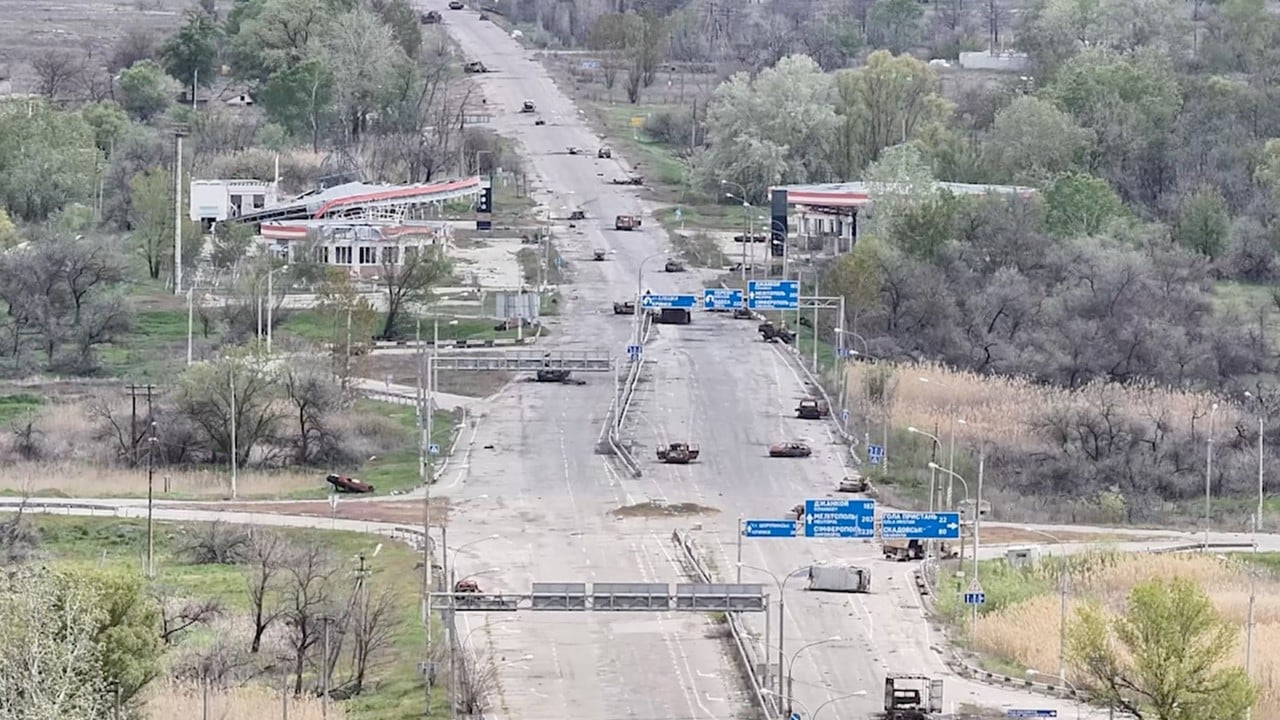
To evaluate any ceasefire in a Russian-occupied Ukrainian town, observers must examine the operational reality in those territories. According to assessments from the Institute for the Study of War (ISW) and United Nations human rights monitors, life in occupied municipalities is characterized by strict military administration, restricted movement, and severe humanitarian needs.
From the perspective of the Ukrainian government in Kyiv, any negotiation involving occupied territory carries profound political and legal sensitivity. Ukrainian officials have consistently maintained that localized humanitarian arrangements must not be used to legitimize Russian territorial control or freeze the front lines in a manner that allows Russian forces to regroup and rearm.
Meanwhile, military analysts observe that Russian forces have historically agreed to localized pauses when doing so aligns with operational logistics—such as rotating exhausted units, consolidating defensive positions, or managing civilian unrest caused by utility failures. A pause in shelling in a single town does not necessarily indicate a reduction in offensive operations elsewhere along the front.
Evaluating Diplomatic Claims in Modern Conflict
When assessing reports of unexpected diplomatic breakthroughs, policy researchers recommend looking past headlines and examining specific, verifiable indicators:
- Duration and Scope: Does the truce apply to heavy artillery, drone strikes, and ground assaults, or is it limited to a narrow transit corridor for a few hours?
- Third-Party Verification: Are neutral observers, such as UN agencies or the ICRC, permitted on the ground to verify compliance, or is reporting reliant solely on statements from the involved parties?
- Institutional Alignment: Have the official foreign ministries of Ukraine and its primary international partners acknowledged and endorsed the terms of the arrangement?
Understanding these dynamics requires separating the political theater surrounding high-profile personalities from the rigorous, institutional work required to achieve a durable peace. Localized ceasefires can save lives and alleviate immediate suffering, but they remain tactical pauses within a much larger strategic conflict.