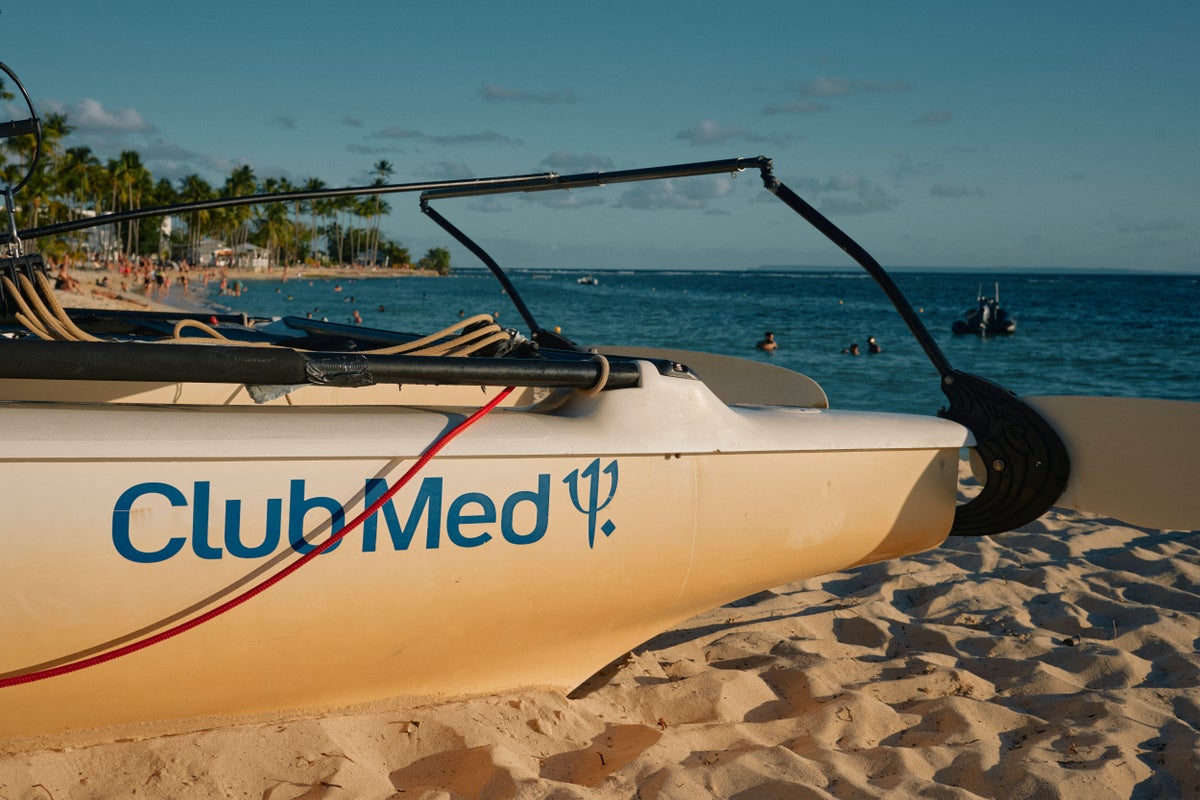
The headlines screamed about empty beaches and abandoned promenades, framing the situation in Cyprus as a sudden, inexplicable panic. A seaside city stripped of its seasonal lifeline, tavernas serving empty chairs, and hoteliers staring blankly at reservation ledgers that resemble flatlining heart monitors. Yet, focusing purely on the theatrical panic misses the grinding structural collapse actually unfolding across the island. The decline in British holidaymakers visiting coastal hubs like Paphos and Ayia Napa is not a mysterious atmospheric shift, but the inevitable collision of regional geopolitics, domestic economic exhaustion, and a hospitality model that long ago stopped making financial sense for the average family.
To understand why the coastlines are quieter, look first at the broader security anxieties that disrupted the eastern Mediterranean calendar. When regional conflicts flared and airspace jittered earlier in the year, immediate flight cancellations and nervous travel advisories sent shockwaves through consumer confidence. Even as diplomatic channels stabilized and officials insisted the island remained geographically insulated from direct harm, the psychological damage was already logged. Booking windows froze. Families planning a predictable fortnight in the sun pivoted toward western alternatives like Spain or domestic breaks, leaving hoteliers with a deficit they could not claw back simply by adjusting room rates in June.
Yet blaming foreign policy alone is a convenient shield for local stakeholders who refuse to examine their own balance sheets. The economic reality facing the British consumer has undergone a profound transformation. Persistent inflation, high domestic interest rates, and soaring everyday living costs across the UK have squeezed discretionary spending power to the bone. When a holidaymaker calculates the cost of a traditional family trip to Cyprus—factoring in inflated airline ticketing, car hire, and resort pricing—the math stops working. Recent tourism expenditure data confirms this exact retreat: while some visitors still arrive, their per-capita spending and daily outlays have visibly contracted. People are counting every euro, cutting out excursions, and avoiding the extra spending that historically kept local small businesses afloat.
Compounding this financial squeeze is a structural fatigue with the product itself. For decades, Cyprus relied on a high-volume, low-friction formula anchored in packaged, all-inclusive resort stays. But as travelers grow more discerning, the limits of mass-market sun-and-sand tourism have become glaringly apparent. Urban sprawl, heavy concrete development along once- pristine shorelines, and a lack of authentic cultural engagement have alienated repeat visitors. When a destination offers little differentiation beyond predictable pools and inflated tavern bills, consumers will naturally migrate toward destinations that provide better value or distinct cultural depth. The complaints from disgruntled travelers are consistent: overcrowding, ballooning prices, and a pervasive sense that the local tourism ecosystem treats them as a transactional commodity rather than a valued guest.
Consider the secondary effect on local employment and ancillary businesses. Tourism accounts for a massive slice of the island’s workforce and gross domestic product. When visitor numbers wobble and spending drops by double-digit percentages during peak booking months, the shock cascades downward. Boat operators in harbors, family-run car rental agencies, and independent linen suppliers do not have corporate cash reserves to weather a multi-month slump. They feel the pinch immediately in cash flow interruptions and mounting debt servicing costs.
The recovery narrative pushed by regional tourism boards often emphasizes diversification—courting markets from other European nations or neighboring regions to plug the gap left by British travelers. While arrivals from alternative markets provide a temporary statistical cushion, they do not automatically replace the deep-rooted economic footprint of the UK demographic, which historically sustained extended stays and high repeat visitation rates. Visitors from other territories often travel with different spending habits or shorter durations, changing the revenue dynamics entirely.
Reviving these quiet promenades requires more than PR campaigns or government reassurances that the island is safe. It demands a ruthless, honest audit of value. Hoteliers, restaurateurs, and municipal planners must confront the reality that the era of effortless tourism is over. If Cyprus cannot recalibrate its pricing structures, curb unchecked overdevelopment, and offer a genuinely compelling reason for families to return, those empty seaside chairs will stop looking like a temporary anomaly and start looking like the new normal.