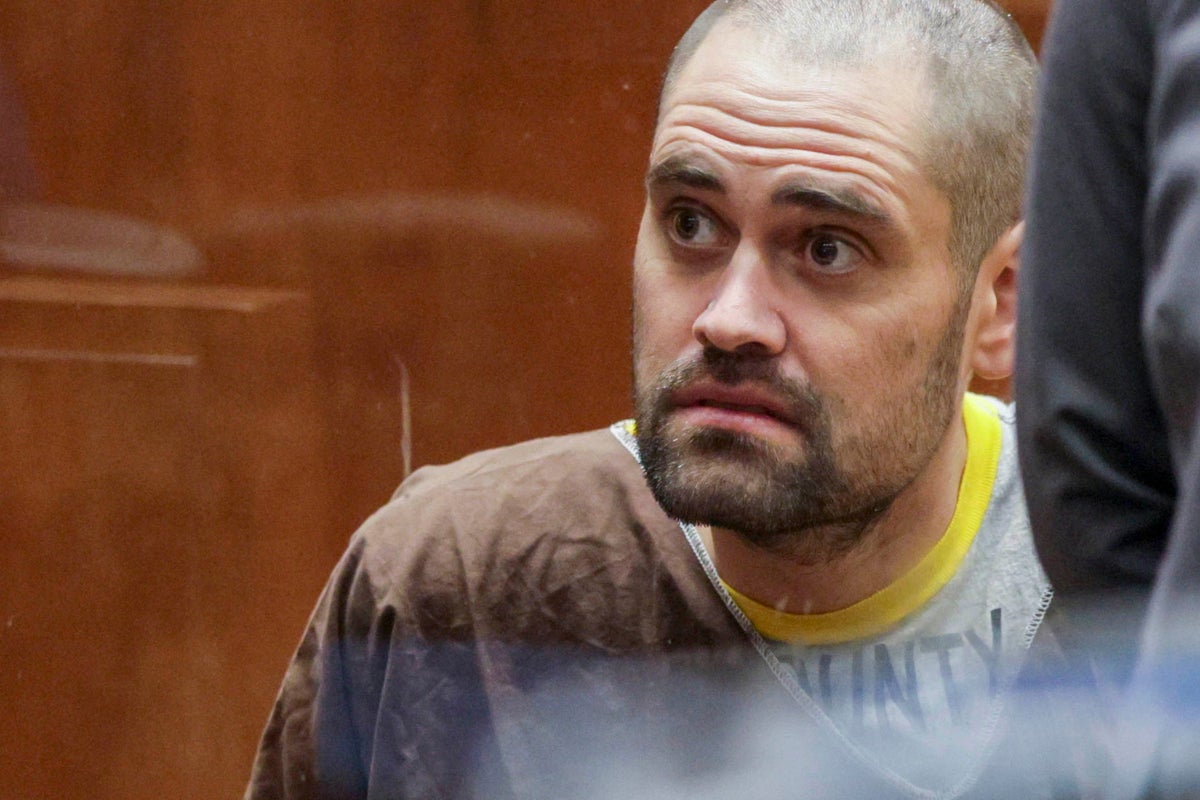
The intersection of high-net-worth estate planning, fiduciary duty, and capital murder defense creates a complex legal and financial bottleneck. When Nick Reiner—son of filmmaker Rob Reiner—petitioned a California probate court to release $1.5 million from a trust fund established by his late grandmother to fund his defense against murder charges, the request exposed the friction between discretionary trust structures and emergency liquidity requirements. High-stakes criminal litigation operates on an adversarial cost function where capital availability directly dictates the depth of forensic, psychological, and investigative resources deployed.
To analyze this case requires stripping away the tabloid narrative and evaluating it through three distinct structural frameworks: the economics of capital murder defense capital expenditure, the strict boundaries of fiduciary discretion in trust law, and the strategic trade-offs of private versus public defense representation.
The Cost Function of Capital Murder Defense
Defending an individual against first-degree murder charges involving special circumstances requires an upfront capitalization that vastly exceeds standard criminal defense fees. The total cost is not merely a reflection of attorney hours; it is a function of the specialized labor market required to counter state-funded prosecutorial infrastructure.
Total Defense Cost = Legal Counsel Fees + Forensic Expert Fees + Fact Investigation + Trial Support Infrastructure
The allocation of the requested $1.5 million follows a predictable operational breakdown required to match the state’s capabilities.
1. Legal Counsel Retainers and Hourly Burn Rates
Top-tier criminal defense firms in jurisdictions like California command retainers ranging from $250,000 to $500,000 for homicide cases, with hourly partner rates often exceeding $800. A trial of this magnitude demands hundreds of hours of pre-trial motion practice, discovery review, and courtroom advocacy. The legal fees alone can easily consume 40% to 50% of the proposed $1.5 million budget before a jury is ever paneled.
2. The Forensic and Expert Witness Matrix
The state relies on a network of public crime labs, medical examiners, and digital forensics experts. The defense must replicate this infrastructure independently to verify or challenge the prosecution’s scientific narrative. This requires retaining:
- Forensic Pathologists and Ballistics Experts: To review autopsy findings, trajectory data, and physical evidence ($5,000–$10,000 retainers per expert).
- Digital Forensic Analysts: To parse cell site location information (CSLI), encrypted messaging data, and device telemetry.
- Psychological and Psychiatric Evaluators: Critical for establishing mental capacity, mitigating factors, or potential plea bargaining leverage ($15,000–$30,000 per comprehensive evaluation).
3. Fact Investigation and Mitigation Specialists
Unlike standard criminal cases, a homicide defense requires independent scene reconstruction and comprehensive background investigations of all prosecution witnesses. In cases where the death penalty or life without parole (LWOP) is a structural possibility, mitigation specialists must be hired to construct a multi-generational social history of the defendant. This process requires hundreds of billable hours from specialized private investigators.
Fiduciary Constraints and the Trust Discretion Dilemma
The primary hurdle in accessing the $1.5 million lies within the governing trust instrument and the statutory duties imposed on the trustee. A trust is not an unrestricted bank account; it is a fiduciary vehicle managed under strict legal constraints designed to preserve capital for designated beneficiaries according to the settlor's intent.
The HEMS Standard vs. Absolute Discretion
Most spendthrift or discretionary trusts operate under an explicit or implied HEMS standard, which permits distributions exclusively for:
- Health
- Education
- Maintenance
- Support
A trustee faced with a request to distribute $1.5 million for criminal defense must determine whether "support" or "maintenance" encompasses legal fees to keep a beneficiary out of prison. While some California case law suggests that protecting a beneficiary’s freedom preserves their long-term well-being and maintenance, trustees face severe personal liability if remainder beneficiaries—other family members who inherit whatever capital is left—sue for breach of fiduciary duty or waste of trust assets.
The Restructuring of Trust Assets
If the trust assets are tied up in illiquid instruments, real estate, or private equity, a sudden $1.5 million distribution forces the premature liquidation of assets. This introduces secondary costs:
- Tax Trigger Events: Liquidating highly appreciated assets to generate cash triggers immediate capital gains tax liabilities, effectively increasing the true cost of the distribution.
- Opportunity Cost of Capital: Removing $1.5 million from an investment portfolio halts the compounding returns that benefit the trust's long-term financial health.
The probate court's role is to weigh these competing interests. The court must decide if the settlor’s intent allows for the near-total depletion of a beneficiary’s share of the trust to fund an immediate, high-stakes crisis, or if the trustee's refusal to distribute the funds constitutes an abuse of discretion.
Public Defenders vs. Retained Counsel: The Resource Asymmetry
When a wealthy defendant’s access to private funds is bottlenecked by legal or fiduciary battles, the alternative is the public defender system. This transition highlights a stark structural contrast in resource allocation.
| Resource Vector | Retained Private Counsel ($1.5M Budget) | Public Defender Infrastructure |
|---|---|---|
| Caseload Density | Low; dedicated focus from primary partners and associates. | High; individual attorneys manage dozens of felony cases simultaneously. |
| Expert Availability | Immediate procurement of top-tier independent national experts. | Subject to bureaucratic approval and strict county budget caps. |
| Investigative Speed | Private investigators deployed within hours of retention. | Dependent on internal investigator pools shared across the entire office. |
| Trial Support | Dedicated paralegals, jury consultants, and courtroom tech teams. | Minimal support staff; trial prep falls heavily on the lead attorney. |
While major metro public defender offices (such as Los Angeles County) possess highly skilled, dedicated homicide attorneys, the structural bottleneck is systemic capacity. A public defender cannot dedicate 80 hours a week exclusively to one client for six months without collapsing their broader caseload. Private capital buys undivided operational bandwidth.
This asymmetry explains the urgency behind Nick Reiner's legal petition. If the probate court denies the emergency distribution, the defendant faces a strategic downgrade from a customized, asset-heavy defense apparatus to a highly competent but severely overextended public alternative.
Strategic Playbook for High-Net-Worth Criminal Defense Capitalization
When family wealth is locked within trust structures during a criminal crisis, relying entirely on a standard probate petition introduces dangerous delays into the criminal litigation timeline. The defense team must run a parallel financial and legal strategy to secure the necessary capital before the prosecution secures structural advantages in the early stages of discovery.
1. Secure Third-Party Litigation Financing via Trust Pledges
Instead of demanding an immediate cash distribution that forces a fiduciary showdown, the beneficiary should seek to pledge their vested future interest in the trust as collateral to a specialized specialty litigation lender. This structure bypasses immediate trustee pushback by transferring the immediate liquidity burden to a third party, while the trust repays the lender under a structured schedule over time.
2. Bifurcate the Retainer Structure
The defense team should immediately divide the budget into two distinct tranches:
- Tranche A (Immediate Operational Liquidity): A lower, short-term retainer ($150,000) focused strictly on preliminary hearings, arraignment, and initial discovery management. This manageable sum can often be approved by a trustee under standard "support" definitions without triggering broader litigation from remainder beneficiaries.
- Tranche B (Trial Contingency Capital): The remaining $1.35 million, which is held in escrow and only released by court order once a trial date is set, ensuring that trust capital is not tied up prematurely if the case moves toward a non-trial disposition or plea framework.
3. File for a Marvin/Marsden Resource Allocation Equivalent
If trust funds remain locked, private counsel must preserve the record by requesting the trial court to order state-funded investigative resources even while retaining private counsel. In specific jurisdictions, indigent status can be determined independently for ancillary costs (experts and investigators) even if family members or partial trust distributions cover the core attorney fees. This hybrid capitalization model mitigates the resource gap while the probate dispute plays out in civil court.



:max_bytes(150000):strip_icc():focal(665x0:667x2)/gettyimages-50733149-2000-8b129a2475974982a915418ce92a73d8.jpg)