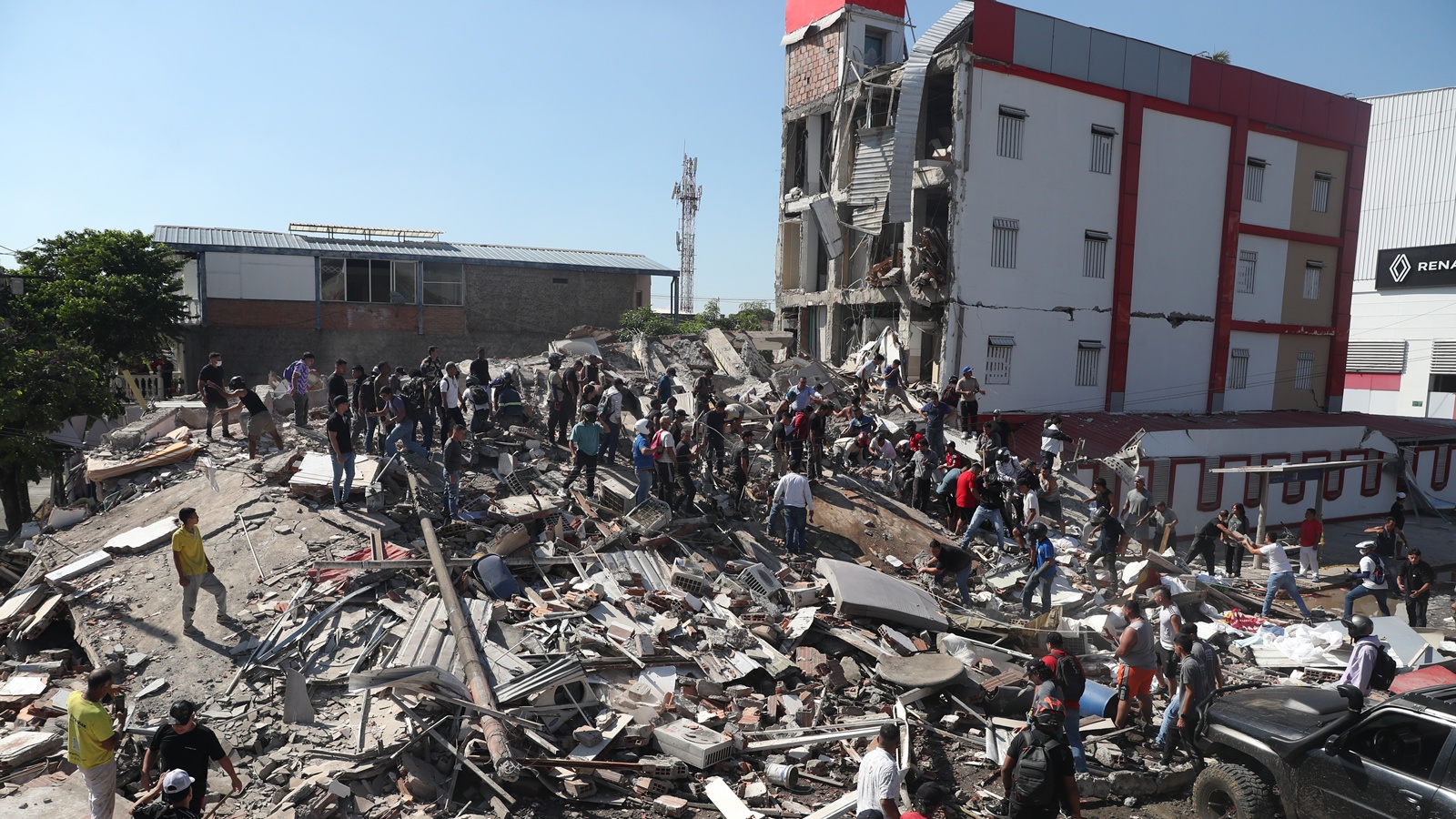
A 7.4-magnitude earthquake striking western Colombia produces a predictable cascading failure across municipal infrastructure, economic output, and emergency logistics. When the United States Geological Survey recorded the epicenter near San José del Palmar in the Chocó province at a depth of roughly 107 kilometers, the physical mechanics of the seismic wave transmission dictated an immediate operational crisis across multiple urban centers.
Understanding the true vector of destruction requires moving past raw casualty reports to examine the underlying variables of structural resilience, geographic isolation, and emergency response capacity.
The Mechanics of Seismic Distribution and Urban Impact
Seismic energy dissipation follows strict physical laws, yet the human cost is mediated by local building codes and population density. The tremor exposed distinct vulnerabilities across three primary geographic tiers:
- The Epicentral Zone (Chocó): Characterized by dense tropical terrain and remote settlements, where infrastructural visibility is inherently low. Because much of Chocó relies entirely on riverine or air transport, damage assessment operates under severe time lags.
- The Andean Coffee Region (Risaralda and Caldas): Cities such as Pereira and Manizales experienced localized structural amplification. In Pereira, transportation nodes like the Matecaña International Airport suffered ceiling collapses, while Manizales recorded the structural failure of historic masonry, including a tower of its neo-Gothic cathedral.
- The Major Economic Hubs (Cali): As Colombia's third-largest city, Cali absorbed significant kinetic force. The collapse of multiple multi-story structures trapped residents, triggering an immediate urban search and rescue bottleneck that required external military and specialized engineering support.
The Logistics Function of Post-Disaster Response
Emergency management following a high-magnitude seismic event relies on a precise equation: rapid triage speed offset against logistical friction. The immediate aftermath in western Colombia illuminated three acute systemic friction points:
Transport Corridor Severance
The civil aeronautics agency enforced the suspension of operations across multiple regional airports—including Pereira, Manizales, Quibdó, Armenia, Cartago, and Buenaventura—due to mandatory structural integrity inspections. This created an immediate transport isolation barrier, restricting the influx of specialized medical teams and heavy lifting gear into the zones of highest structural collapse.
Search and Rescue Resource Allocation
With more than twenty municipalities registering severe damage, central command posts faced an immediate resource allocation dilemma. Urban centers like Cali and Pereira demanded heavy-machinery deployment for structural pancaking, while rural Chocó required basic medical deployment and aerial reconnaissance. The deployment of specialized military engineering platoons and canine units represents the primary variable in shortening the window of survival for trapped individuals.
Institutional Funding and Fiscal Velocity
President Abelardo de la Espriella’s declaration of an administrative emergency serves a specific financial mechanism: bypassing routine procurement latency to unlock liquidity for immediate recovery operations. In macroeconomic terms, disaster recovery velocity depends on how fast emergency funds convert into deployed physical assets on the ground. Bureaucratic delays in capital disbursement exponentially increase secondary morbidity and mortality rates among the injured.
The Economic and Structural Deficit
The economic toll of the disaster extends far beyond immediate reconstruction expenses. Recurrent high-magnitude seismic activity across the northern Andean region—compounded by regional tremors earlier in the year—places continuous downward pressure on municipal bond ratings, commercial insurance premiums, and private real estate valuation models in secondary and tertiary markets.
Older masonry structures and non-retrofitted concrete frames form the baseline of structural failure in cities like Cali and Pereira. Until urban planning mandates strict seismic retrofitting compliance backed by capital subsidies, cities sitting along active fault lines will continue to experience disproportionate structural failure profiles during high-magnitude events.
Deploy tactical engineering battalions to secure compromised high-rise perimeters in Cali and Pereira, prioritize clearing arterial logistics routes to isolated Chocó communities via secondary airfields, and execute immediate structural audits on regional transit hubs to restore baseline commercial aviation corridors.


