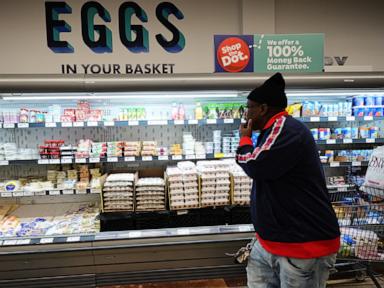
Standing in Aisle Four of a suburban grocery store with a basket half-full and a mental calculator running at full speed is a uniquely modern form of quiet panic. You hold a carton of eggs in one hand and a box of generic cereal in the other, doing rapid, invisible triage. Which one goes back on the shelf? Not because you cannot technically afford both, but because paying five dollars for eggs feels like a personal insult—a tiny, cold theft of the life you thought you had budgeted for.
I remember that exact fluorescent hum from the autumn of 2022, staring at a gallon of milk and realizing my paycheck had silently shrunk by fifteen percent while the numbers on my pay stub stayed identical. Inflation is rarely an abstract macroeconomic indicator to the person holding the shopping basket. It is a thief that operates in broad daylight, eroding your margin for error one decimal point at a time.
Every two years, right around the midterm elections, a chorus of voices steps up to the podium with a microphone and a promise. They look straight into the camera, match your frustration with practiced righteous anger, and declare they have the cure for the rising cost of living.
Listen closely to those speeches, though. Strip away the applause lines and the slick campaign graphics. When you put the actual legislative proposals of midterm candidates on a table and hand them to the economists who spend their lives tracking how money moves through the real world, a startling truth emerges. Most of the loudest cures being sold to voters do not actually lower prices. Worse, many of them actively pour gasoline onto the very fire they claim to be putting out.
To see why, we need to step out of the campaign rally and follow the money.
The Anatomy of a Campaign Promise
Consider a hypothetical voter named Elena. Elena is a thirty-eight-year-old physical therapist living outside Phoenix. She earns a solid middle-class salary, drives a seven-year-old sedan, and has spent the last three years watching her rent, car insurance, and weekly grocery bill climb faster than her annual three-percent raise. When she turns on the evening news, she hears two radically different diagnoses of her financial pain, accompanied by two competing prescriptions.
On one side of the split screen, a candidate argues that Elena is struggling because Washington spent too much money, flooded the economy with cash, and strangled domestic energy producers with red tape. The proposed fix? Slash federal spending immediately, cut corporate and individual taxes to stimulate growth, and open federal lands to aggressive oil and gas drilling.
On the other side, the opposing candidate insists Elena is being gouged by greedy corporations posting record profits while families scrape by. Their prescription? Pass federal bans on price gouging, tax windfall corporate profits, send targeted relief checks or tax credits to working families, and subsidize housing and childcare costs.
Both pitches sound intuitive. Both offer a clear villain and a satisfyingly direct lever to pull. Yet if Elena asks an economist what happens to her grocery receipt six months after either plan becomes law, the answer is sobering.
Economics is a stubborn discipline because it refuses to care about good intentions. To understand how midterm inflation proposals actually work, think of the economy as a crowded highway during rush hour. Inflation happens when too many cars (dollars) are trying to merge onto a road with too few lanes (goods and services). You can fix that traffic jam in only two ways: reduce the number of cars on the road, or build more lanes.
Look at the campaign proposals through that simple metaphor, and the contradictions snap into sharp focus.
The Seductive Trap of Free Money
Start with the idea of sending relief checks, expanding tax credits, or handing out down-payment subsidies to help people cope with high prices. Emotionally, this feels like tossing a life preserver to someone treading water. Practically, when millions of people are drowning in high costs, handing everyone more cash without increasing the supply of houses, groceries, or cars simply bids up the price of the life preservers.
Economists call this demand-pull inflation. During the pandemic, massive fiscal stimulus kept millions of households afloat and prevented a depression—a necessary emergency measure. Yet once supply chains snarled and factories shuttered, all that extra purchasing power collided with a finite pile of goods. Prices erupted.
When a midterm candidate proposes a new tax credit for first-time homebuyers in a market where starter homes are already scarce, sellers do not gratefully keep their prices low. They raise their asking prices by the exact amount of the subsidy. The buyer ends up paying the same monthly mortgage, the seller walks away with a windfall, and the government adds billions to the national debt. You have put more cars onto the exact same crowded highway.
Tax cuts suffer from the exact same flaw when inflation is already running hot. Cutting taxes leaves more money in the pockets of consumers and corporations, which is wonderful when the economy is sluggish and unemployment is high. When inflation is the primary enemy, however, injecting fresh stimulus into the bloodstream forces the Federal Reserve to work twice as hard to cool things down.
The Illusion of the Price-Gouging Hammer
What about the other side of the aisle? When milk jumps thirty percent in two years and major food conglomerates announce glowing quarterly earnings, rage is a completely rational human response. Calling it corporate greed feels cathartic. Passing a law that bans "price gouging" sounds like common sense.
History, however, leaves very little room for romance on this front.
In the 1970s, President Richard Nixon tried to wrestle inflation to the ground by imposing sweeping federal wage and price controls. For a few months, the numbers looked great on paper. Prices froze. Politicians took victory laps. Then reality arrived. Farmers realized it cost more to raise cattle than they were legally allowed to charge for beef, so they stopped bringing cattle to market. Oil companies stopped refining fuel at a loss. Grocery shelves emptied, lines snaked around city blocks for gasoline, and the moment the controls were lifted, prices exploded upward like a shaken soda bottle.
Economists across the political spectrum—from conservative free-market purists to progressive Keynesians—largely agree that price controls are a blunt instrument that breaks the signaling system of an economy. High prices are painful, yes, but they are also a flare shot into the sky telling competitors: There is money to be made here. Build more factories. Plant more crops. Enter this market and undercut the incumbents.
When politicians outlaw high prices by decree, they do not create abundance. They create shortages. And a cheap gallon of milk does Elena no good if the dairy case is empty when she gets off work at six o'clock.
The Slow Grind of Supply-Side Fixes
If handing out cash fuels inflation and capping prices causes shortages, what about the third major plank in midterm platforms: unleashing energy production and slashing regulations?
Here, the economics are sounder, though the timeline is wildly misrepresented on the campaign trail. Energy is the master input of the modern economy. Diesel moves the tractor that harvests the wheat, powers the freight train that hauls it, runs the factory that bakes the bread, and fuels the semi-truck that delivers it to your neighborhood store. When oil and natural gas prices drop, the cost of making and moving almost everything eventually eases.
The catch is the word eventually.
Oil companies do not drill new wells just because a politician wins a November election. Energy executives answer to shareholders, geological surveys, global OPEC production quotas, and multi-year capital expenditure budgets. Even if Congress passes sweeping permitting reform on a Tuesday morning, it takes months or years for new drilling rigs to come online, pipelines to be laid, and refining capacity to expand.
Furthermore, global oil prices are set on an international market, not in Washington. A spike in geopolitical tension halfway across the world can erase months of domestic production gains overnight. Promising voters that a midterm ballot will drop gas prices by two dollars a gallon before spring is like promising you can turn an aircraft carrier around in a bathtub. The physics simply do not allow it.
The Quiet Giant Nobody Mentions on the Stump
There is an uncomfortable secret hanging over every midterm debate about the cost of living, one that very few candidates dare to say out loud because it makes them look powerless.
Congress and the White House do not actually hold the primary steering wheel on inflation. The Federal Reserve does.
While politicians trade barbs on cable news, the real battle against rising prices happens inside a quiet, marble-walled boardroom in Washington, D.C., where unelected central bankers adjust the federal funds rate. When the Fed raises interest rates, it intentionally makes borrowing more expensive. Mortgages get pricier. Auto loans sting. Businesses pause hiring and delay building new warehouses. Demand cools, the traffic jam on the highway slowly clears, and price growth decelerates.
It is a brutal, unglamorous process. Raising rates fights inflation by flirting with recession—by deliberately slowing down the economy until employers stop bidding up wages and consumers stop swiping their credit cards with abandon.
For a midterm candidate, admitting that the Federal Reserve is in the driver's seat is political suicide. Voters do not elect central bankers; they elect representatives, and they demand action from the people whose names appear on the ballot. So candidates manufacture theater. They propose bills named after patriotic virtues, hold dramatic committee hearings where CEOs are grilled under hot lights, and promise swift relief that their office is structurally incapable of delivering.
What Actually Moves the Needle
Does this mean elections do not matter for your wallet? Not at all. It simply means the policies that genuinely tame inflation over the long haul are deeply unsexy, politically painful, and completely devoid of bumper-sticker appeal.
If you ask a room full of serious economists what lawmakers could actually do to lower prices without triggering a recession, their wish list looks nothing like a campaign speech:
- Fix the supply bottlenecks. Instead of subsidizing housing demand, overhaul local zoning laws and federal permitting rules so builders can actually construct millions of new apartments and starter homes. More supply lowers rents permanently.
- Expand the workforce. Inflation thrives when businesses cannot find enough workers to fill shifts, forcing them to raise wages and pass those costs onto customers. Streamlining legal immigration for high-demand sectors—healthcare, construction, agriculture—and making childcare more accessible gets more people into the labor force, expanding the economy's capacity to produce goods without overheating.
- Tariff restraint. Tariffs are an invisible sales tax paid by domestic consumers and businesses, not foreign governments. Rolling back broad tariffs on raw materials like steel, aluminum, and lumber immediately lowers manufacturing and construction costs across the country.
- Fiscal discipline that matches the moment. Cutting wasteful spending or raising targeted revenue to shrink the federal deficit stops the government from competing with private citizens for borrowed money, easing pressure on interest rates.
Notice what all four of those solutions have in common. None of them fit neatly into a thirty-second attack ad. None of them put an immediate check in your mailbox. And every single one of them requires politicians to anger powerful special interests—homeowners who hate dense housing near their neighborhoods, domestic industries protected by tariffs, or voters who love government programs until they see the bill.
Looking at the Receipt Again
Return for a moment to Elena standing in Aisle Four in Phoenix, weighing the eggs against the cereal.
The invisible tragedy of midterm inflation politics is not that politicians are evil, or that economists are heartless. It is a mismatch of clocks. Voters live by the rhythm of the two-week pay cycle and the monthly rent check; they need relief right now. Politicians live by the rhythm of the two-year election cycle; they need a victory lap before November. The economy, massive and stubborn and interconnected across oceans, moves on its own slow, indifferent schedule.
When you step into the voting booth, the smartest thing you can carry with you is a healthy skepticism of anyone offering a painless cure. Real economic healing rarely feels like a miracle. Usually, it looks like restraint, patience, and the unglamorous work of clearing the road so people can build.
Until then, the fluorescent lights of the grocery store remain unforgiving. You look at the price tag on the shelf, take a breath, put the cereal back, and keep walking toward the register, carrying the weight of math that no campaign speech can wish away.