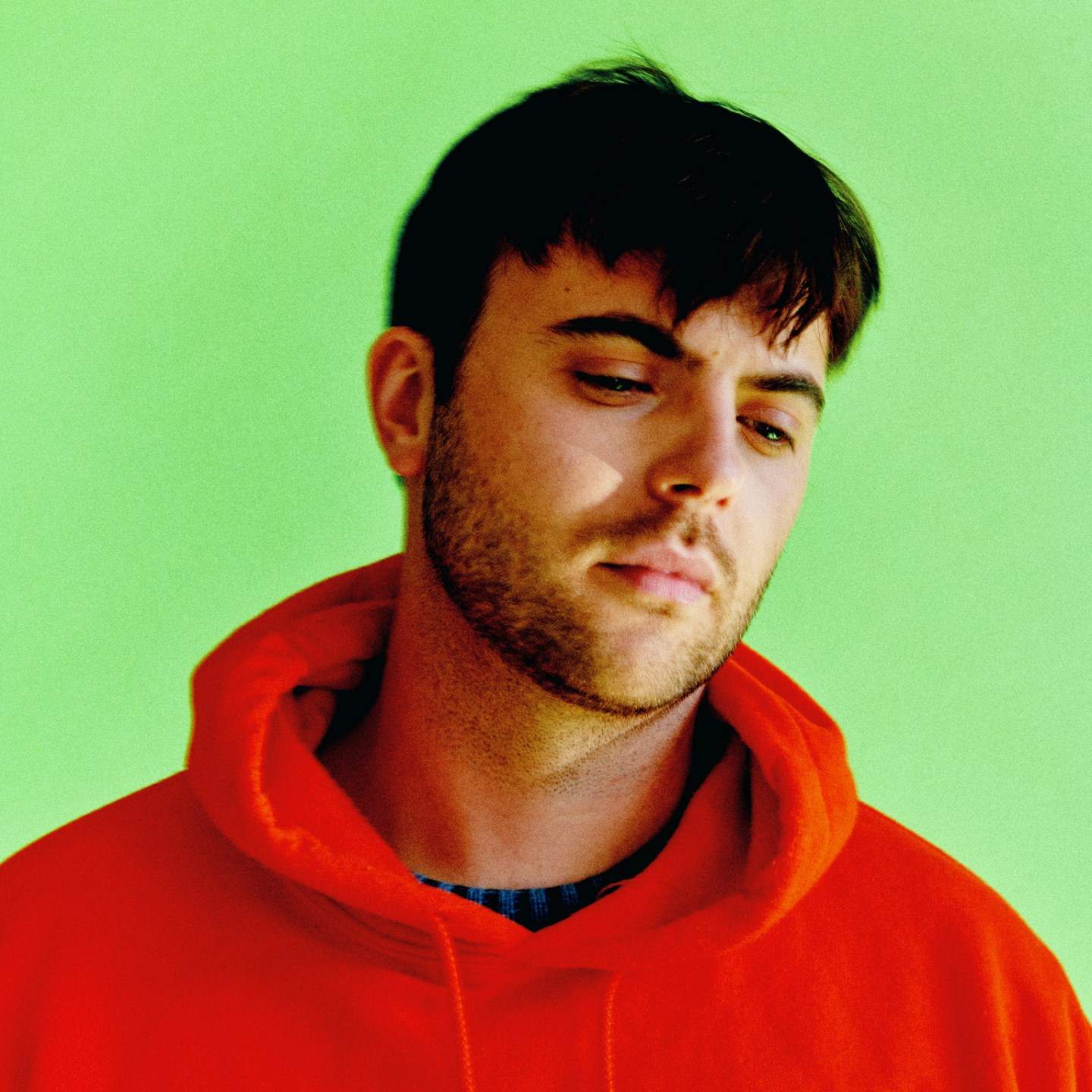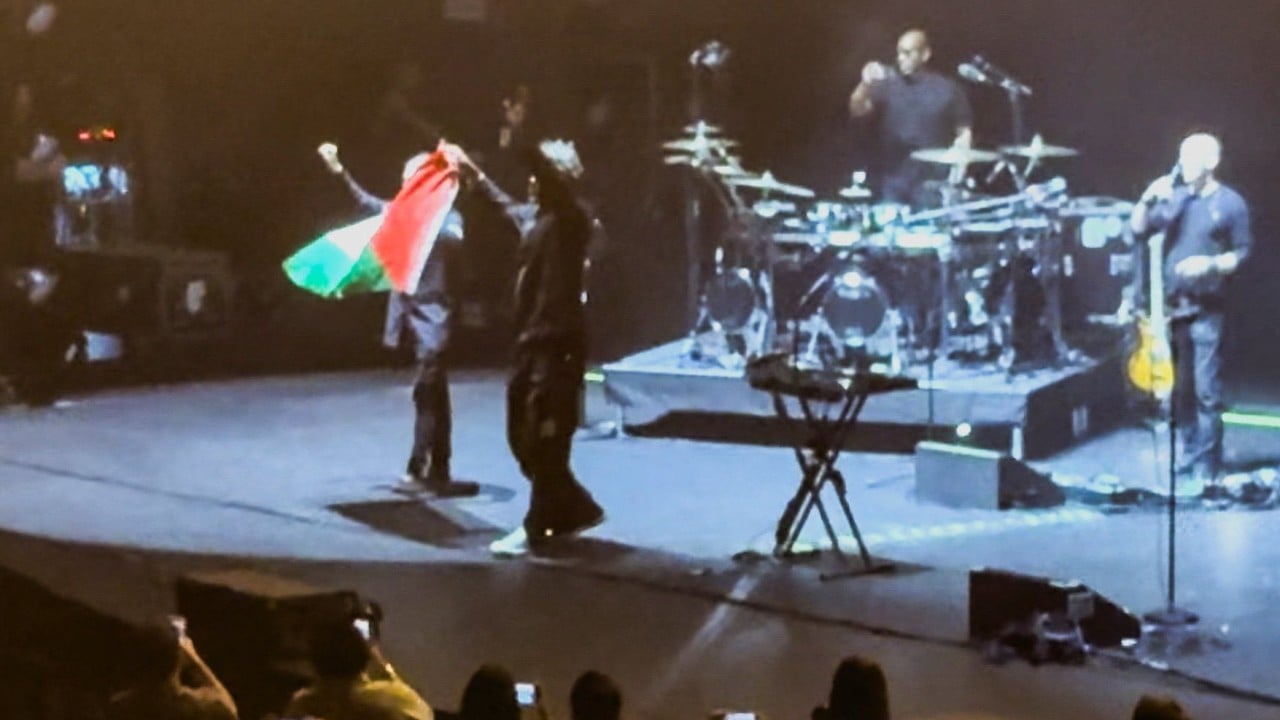
When electronic pioneers Massive Attack walked off the stage at The Star Theatre in Singapore on July 29, 2026, they expected a standard tour stop. Instead, they ran headfirst into the iron-clad reality of Singaporean speech laws. Core members Robert Del Naja and Grant Marshall found themselves detained, interrogated, and eventually hit with a lifetime performance ban after unfurling a Palestinian flag and shouting "Free Palestine".
If you think this is just a routine dispute over concert rules, you are missing the bigger picture. This incident strips away any illusion about how hyper-controlled nations handle political dissent. It forces a hard look at where artistic freedom goes to die when it collides with state-mandated neutrality.
The Collision Between Global Politics and Local Law
Singapore operates under an exceptionally strict legal framework. The government maintains a zero-tolerance policy regarding the open display of foreign flags, national emblems, or unauthorized banners without explicit permits. Local authorities argue that importing external geopolitical conflicts will fracture the nation's fragile multi-ethnic and multi-religious harmony.
Here is what actually happened on the ground, according to police reports and the band's statements:
- Large sections of the auditorium chanted "Free Palestine" before and during the set.
- The band members held up a Palestinian flag toward the end of the performance.
- Authorities detained the entire band post-show, searched hotel rooms, and temporarily confiscated passports.
- Singapore police issued stern warnings to the core members and blacklisted them from ever returning.
The authorities drew a hard line. They maintain that foreign artists must respect local public order regulations, regardless of their personal convictions or global public opinion.
Why Massive Attack Refused to Play Quietly
Massive Attack didn't back down. In a scathing public statement released shortly after the incident, the group called the ordeal surreal and pointed out the hypocrisy of suppressing political expression. They noted that they never imagined holding the flag of a state recognized by over 150 countries would trigger a criminal investigation.
They also drew a direct parallel to what is happening in the West, noting that peaceful protestors face similar crackdowns in the United Kingdom under restrictive legislation. For a band that has spent decades weaving political activism directly into their visual and sonic identity, staying silent was never an option. They viewed the crowd's organic chants not as a violation, but as a moral imperative.
Yet, idealism doesn't rewrite penal codes. Singapore holds all the cards within its borders.
The Cost of Sterile Stability
Singapore sells itself as an ultra-efficient, pristine global hub. It works wonderfully if you want low crime rates and immaculate infrastructure. But that cleanliness comes at a steep cost. It requires a clinical suppression of messy human realities, including grief, protest, and solidarity with the oppressed.
When local law enforcement warns citizens and foreigners against "importing foreign politics," they are enforcing a state-sanctioned bubble. But art has historically thrived on bursting bubbles. Music born from trip-hop and counterculture isn't designed to serve as polite background noise for authoritarian comfort zones.
Banning a band doesn't erase the politics driving them. It just amplifies the conversation. If you are an artist touring internationally, take note. The illusion of a global stage is fading fast, replaced by a patchwork of localized censorship where one wrong flag can get your passport seized before midnight.
Keep your eyes open on your next overseas tour. Read the fine print of your performance permits, but more importantly, decide what lines you are willing to cross when the lights go down.