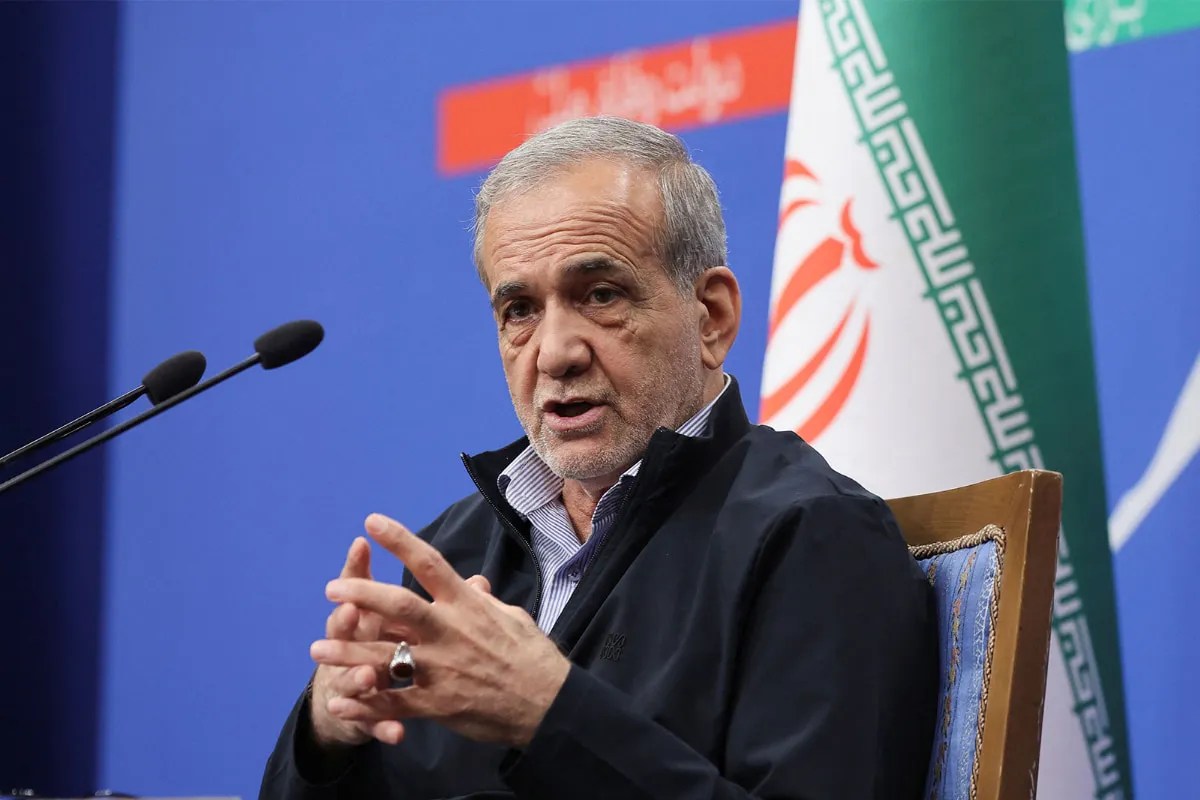
Denial is a comfortable foreign policy. Iranian President Masoud Pezeshkian steps up to podiums, flashes diplomatic calm, and insists Tehran has zero direct command over the Houthi movement in Yemen. The lazy consensus among mainstream analysts echoes this clean separation, treating the Red Sea crisis as a localized dispute where Iran merely offers moral encouragement to kindred spirits.
That perspective is dangerously naive.
Strip away the diplomatic theater and look at the hardware. The cruise missiles crashing into commercial shipping lanes off the coast of Hodeidah do not materialize out of regional enthusiasm. The guidance systems, the telemetry components, and the tactical blueprints trace directly back to Islamic Revolutionary Guard Corps logistics chains. Pretending otherwise is journalistic malpractice.
The Logistics of Deniability
Pezeshkian wants the world to buy a simple narrative: autonomous actors making independent choices. But strategic supply lines tell a different story. Operating medium-range ballistic missiles requires specialized telemetry, launch calibration, and intelligence gathering that local insurgencies simply cannot bootstrap overnight from scratch.
Look at the mechanics of the weapons caches intercepted by coalition naval patrols in the Arabian Sea. Fiberglass hulls packed with engine parts, warhead fusing mechanisms, and encrypted communications gear point to a single origin point. Tehran uses plausible deniability as a strategic shield. By outsourcing kinetic pressure to proxy networks, they extract maximum geopolitical leverage while keeping regular military forces formally detached from direct retaliation thresholds.
This model mirrors how modern technology platforms operate with user-generated content moderation. When a platform wants to skirt regulatory liability, it hides behind terms of service and claims users act independently. State actors use asymmetric proxies for the exact same legalistic insulation.
The Geographic Reality of Chokepoints
Why Yemen? The answer lies in geography, not ideology.
The Bab el-Mandeb strait is one of the world's most critical maritime bottlenecks. Millions of barrels of oil and trillions in global trade flow through a channel barely twenty miles wide at its narrowest point. Control that stretch of water, and you hold global supply chains hostage without needing a blue-water navy.
Conventional military thinking assumes deterrence works through symmetrical threat escalation. If someone threatens your ships, you sink their ships. But asymmetric warfare changes the calculus entirely. When a state actor uses a proxy network to shut down international commerce, the economic damage suffered by Western and Asian economies vastly outweighs the operational cost of launching a few drones.
Tehran understands this math intimately. Every container ship diverted around the Cape of Good Hope adds millions in fuel costs and weeks of delay to global commerce. That friction creates immense political pressure on foreign capitals, forcing diplomatic concessions that economic sanctions alone could never achieve.
Dismantling the Independence Myth
The core fallacy repeated across international desks is that the Houthis take orders one day and ignore them the next based purely on local Yemeni tribal politics. While internal dynamics matter, strategic alignment with the Axis of Resistance is not optional for groups dependent on external resupply.
Financial backing, technical training facilities located near the Syrian border and coastal Iran, and continuous intelligence feeds regarding Western naval movements anchor this partnership. To call the movement entirely independent is like claiming a franchise restaurant operates outside the corporate parent's control because the local manager chose the daily specials.
The downside of this contrarian stance? It risks sounding like a drumbeat for endless escalation. Acknowledging direct material support does not mean open war is the only response. But misdiagnosing the problem guarantees that diplomatic engagement will fail. You cannot negotiate a ceasefire with an intermediary when the actual decision-maker sits in a command bunker in Tehran pretending to be a neutral observer.
The next time a state leader denies involvement while shipping containers burn in the Gulf of Aden, ignore the talking points. Follow the telemetry. The hardware never lies.


