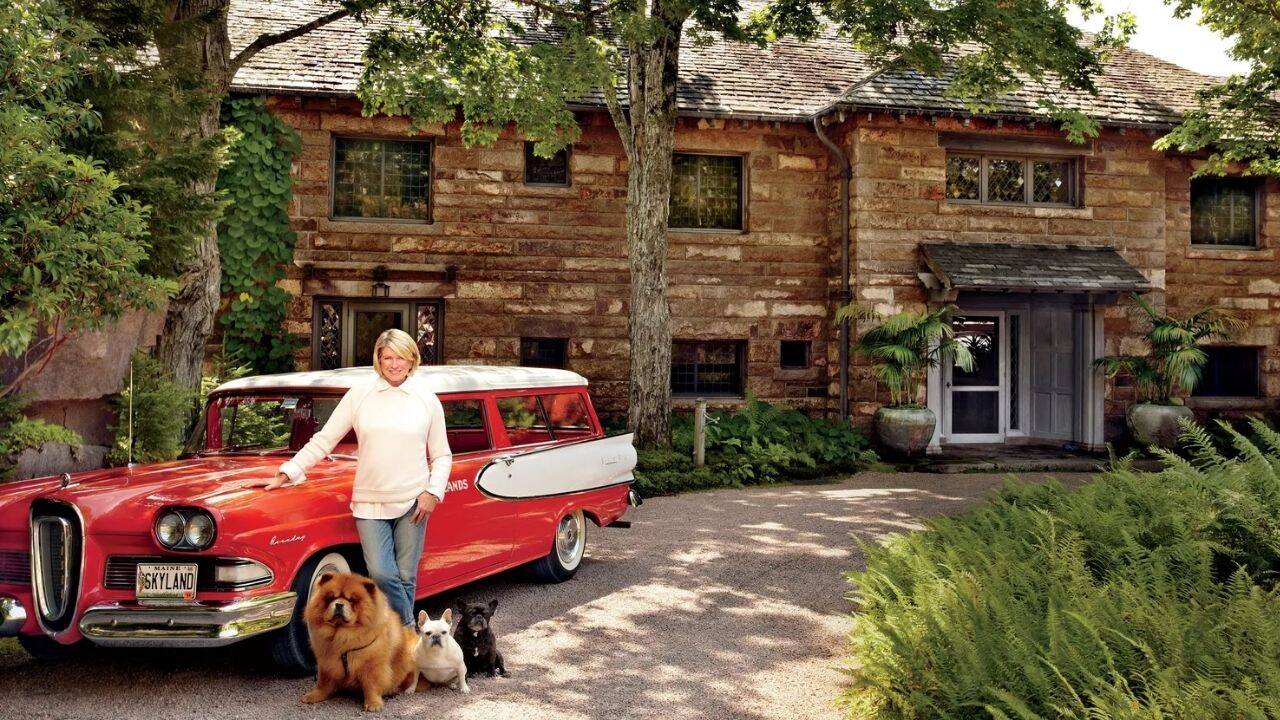
In 1997, Martha Stewart purchased Skylands, a sprawling 63-acre estate in Seal Harbor, Maine, previously owned by the descendants of automotive titan Edsel Ford. The transaction was not merely a celebrity real estate acquisition. It was a calculated masterclass in cultural preservation, luxury branding, and the repurposing of Gilded Age architecture for the modern media mogul.
Skylands sat on Mount Desert Island like a sleepy monument to an industrial dynasty that had lost its appetite for maintenance. Built in 1925 for Edsel and Eleanor Ford, the property featured a three-story, pink granite mansion designed by architect Duncan Candler, surrounded by native conifers and jagged Maine coastline. By the time Stewart stepped in, the estate required an immense injection of capital, labor, and aesthetic vision to prevent it from dissolving back into the Atlantic fog. For a different perspective, see: this related article.
Journalists often frame this acquisition through the soft lens of domestic homemaking. That framing misses the point entirely. Stewart did not buy a summer home. She bought a stage.
The Architectural Reality of Skylands
To understand what Stewart achieved at Skylands, one must examine the physical reality of Mount Desert Island in the late 1990s. Coastal Maine property is notoriously unforgiving. Salt spray eats through ironwork. Freeze-thaw cycles crack granite foundations with malicious efficiency. The Ford family had used the estate as a seasonal retreat, but decades of shifting tax codes, generational wealth dilution, and changing vacation habits left the property vulnerable. Related coverage on this trend has been provided by Cosmopolitan.
When Stewart acquired the deed, she inherited a logistical nightmare disguised as a historic landmark. The pink granite mansion, known formally as Dunemere or Skylands depending on archival records, featured complex masonry, massive timber structures, and miles of carriage roads.
Instead of hiring a standard historic preservation firm to freeze the property in amber, Stewart treated the estate as an active ecosystem. She brought in teams of arborists, stonemasons, and antique textile restorers. Every room became a canvas for her hyper-curated aesthetic, blending original Danish modern and rustic Adirondack furnishings with custom-woven fabrics that mimicked the precise color palette of the Maine woods.
The restoration process cost millions, but the financial outlay was offset by the collateral value generated for the Martha Stewart brand. Skylands transformed into a physical manifestation of her editorial authority. When readers saw the estate splashed across the pages of Martha Stewart Living, they were not just looking at a pretty house. They were witnessing proof that high-end domesticity required rigorous discipline, historical literacy, and immense financial muscle.