The coffee in the glass-fronted cafeteria of the Bundestag was lukewarm, tasting faintly of institutional aluminum and quiet panic. It was a Tuesday morning in Berlin, but the weather felt like late November regardless of the calendar. Outside, the gray light of the Spree smeared against the windows, reflecting the tired faces of advisors who had spent their entire professional lives believing that the center would always hold because the center was the only address worth having.
Then the fax machines stopped ticking. The screens flared red. Expanding on this theme, you can also read: Inside the Diplomatic Mirage of the Ukraine Ceasefire Push.
Far to the east, in the old industrial living rooms of Saxony and Thuringia, the floorboards had groaned. Voters—people who had spent thirty years watching their factories rust into memory, their post-reunification promises curdle into minimum-wage service jobs, and their local post offices replaced by drop-boxes—did not simply cast a ballot. They threw a brick through the stained-glass window of the republic.
To understand the Alternative for Germany, or the AfD, and the electoral earthquake that rattled the foundations of Chancellor Olaf Scholz’s federal coalition, you cannot look at election returns alone. You have to look at the wallpaper in a kitchen in Görlitz. It is peeling slightly at the corner, just above the radiator that clanks and rattles through the long Baltic winters. Beneath that wallpaper are layers of old newspapers from the German Democratic Republic, and beneath those are the silent ghosts of coal mines that no longer belong to anyone. Experts at The New York Times have provided expertise on this situation.
History in Germany has always been written from the top down, dictated by marble corridors in Bonn or the sleek, modernist glass of Berlin’s government district. But politics is lived from the bottom up, through the soles of boots worn thin on cobblestones and the bitter taste of being forgotten by a capital city six hours away by train.
When the state election results flickered across the monitors, they confirmed what the polite dinner parties in Charlottenburg had tried to ignore for a decade: the Federal Republic of Germany, long considered the ultimate bedrock of post-war European stability, is cracking along fault lines that run deeper than any current political cycle. The AfD did not merely win seats; they secured a massive, undeniable plurality in regional parliaments, shattering the post-war wall of democratic consensus that had kept the far-right penned into the political fringes.
Consider what this means for the machinery of governance. Scholz’s "traffic light" coalition—the awkward three-way marriage of his center-left Social Democrats, the environmentalist Greens, and the fiscally conservative Free Democrats—was already a machine held together by duct tape and shared exhaustion. Every policy debate turned into a public brawl over heating subsidies, debt brakes, and immigration caps. Now, with the eastern flank of the country turning a defiant shade of blue, the federal government finds itself paralyzed. How do you govern a nation when the people in your provinces no longer recognize the legitimacy of your authority?
The answer, uncomfortably, is that you struggle to govern at all.
To walk through a town like Cottbus is to walk through an open-air museum of economic transition that lost its way. The young people left years ago for Leipzig, Munich, or Frankfurt, drawn by the gravity of tech hubs and creative agencies. What remained were the retirees, the shift-workers whose trades vanished with the coal phase-out, and a pervasive, suffocating sense that the future was something that happened to other people.
When a society feels abandoned by its elites, it looks for an arsonist. Or, more precisely, it looks for someone willing to speak the language of its fury without translating it into the sanitized jargon of parliamentary committees.
The AfD understood this before anyone else in the political establishment. They did not win votes through sophisticated economic models or detailed tax proposals. They won because they stood in the town squares and acknowledged the cold. While federal ministers spoke in dry percentages about inflation metrics and green transitions, populist politicians talked about dignity, safety, and the loss of a homeland that felt increasingly foreign in its own streets.
This is the uncomfortable truth that Berlin must now confront. The rise of the far-right in eastern Germany is not an aberration, nor is it merely a temporary protest vote born of economic anxiety. It is a structural rejection of the federal consensus. It is a declaration that the grand project of European integration and multicultural modernization has left millions behind in the dark, and those millions have finally decided to turn on the lights themselves.
The pressure on Scholz now is immense, bordering on geometric. Every decision in the capital is weighed against the fear of the next provincial ballot. Immigration policy, once managed through quiet bureaucratic channels, has become a bleeding sore across the body politic. The federal government finds itself trapped between the moral imperatives of its international obligations and the raw, howling demand for border closures rising from the provinces.
If the government acts too aggressively to appease the right, it fractures its own progressive base. If it stands pat, it feeds the narrative that the establishment is indifferent to the security of ordinary citizens. It is a classic political vise, and the handles are being turned tighter with every passing month.
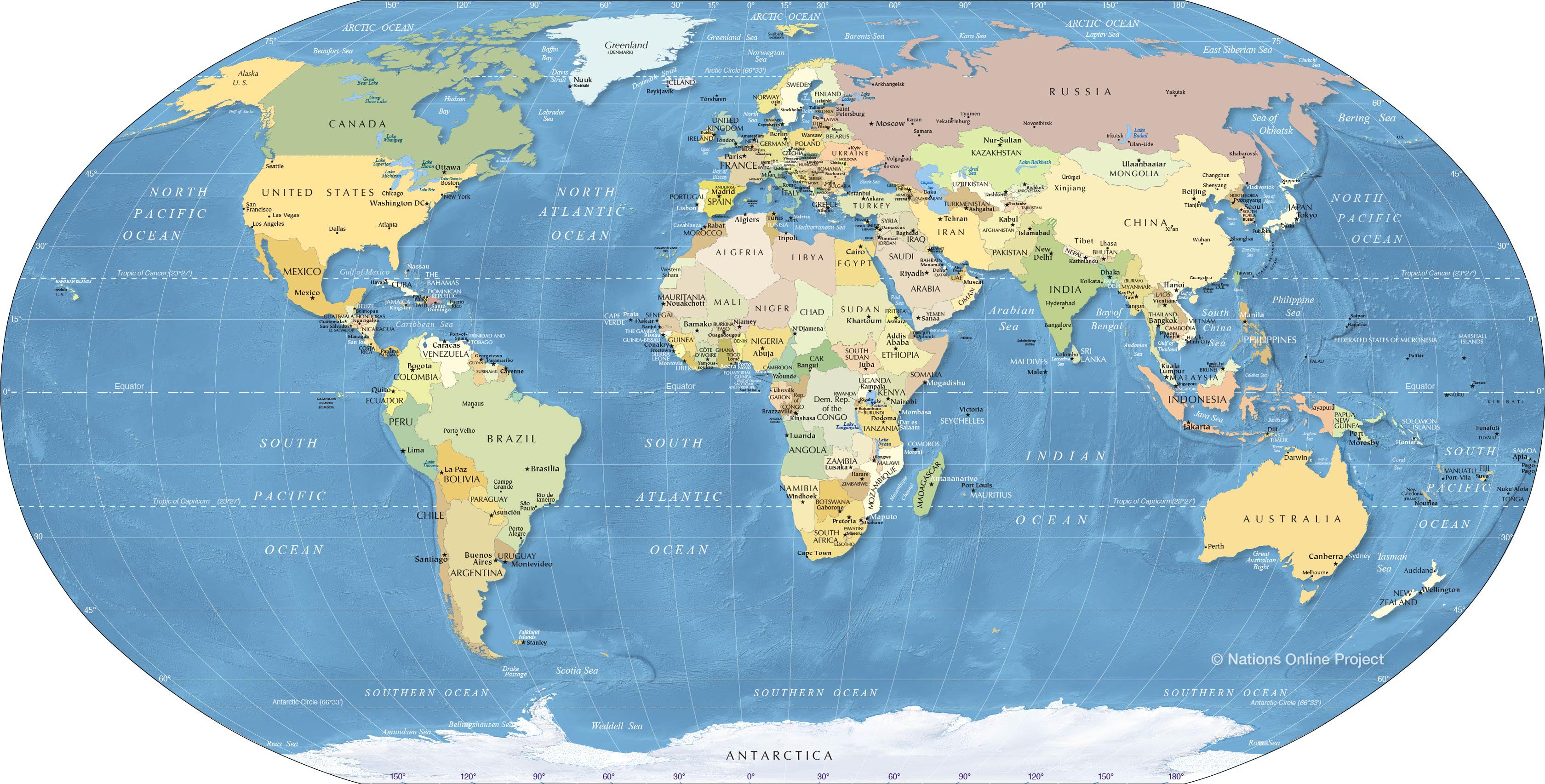
Step back for a moment and look at the broader map of Europe. From the shores of the Mediterranean to the Baltic forests, the center is hollowing out. France is perpetually bracing for the next National Rally surge. The Netherlands, Austria, and Sweden have all wrestled with the normalization of nationalist politics. But Germany was supposed to be different. Germany was the immunized patient, inoculated by its historical trauma against the temptations of ethnic nationalism and populist demagoguery.
That immunity has expired.
The tragedy of the current moment is that the debate has become entirely zero-sum. On one side, the political establishment warns of the return of dark historical shadows, brandishing the constitution like a shield against the rising tide. On the other side, millions of citizens look at that same constitution and see a document that protects the status quo of the winners while ignoring the quiet desperation of the losers.
There are no easy exits from this labyrinth. You cannot legislate away the feeling of irrelevance with a federal grant program or a public relations campaign about the resilience of democracy. People do not love democracy because it is a theoretical good; they love it when it works for them. When it fails to keep the local hospital open, when the local bus line is canceled, and when the neighborhood feels like an unfamiliar country, democracy becomes just another distant bureaucracy demanding taxes and obedience.
Back in the Bundestag, the coffee cups are being collected. The cleaners move quietly between the desks, emptying wastebaskets filled with briefing papers that no one will read tomorrow. Out on the streets, the rain continues to fall on a reunited nation that is discovering, with a slow and sickening dread, that the glue holding it together was never as strong as everyone pretended.
The map of Europe is changing shape. The old borders remain on the paper, but the emotional topography has shifted entirely. The ground beneath the capital is trembling, and the people inside the glass buildings are still waiting for a forecast that will tell them when the shaking will stop.