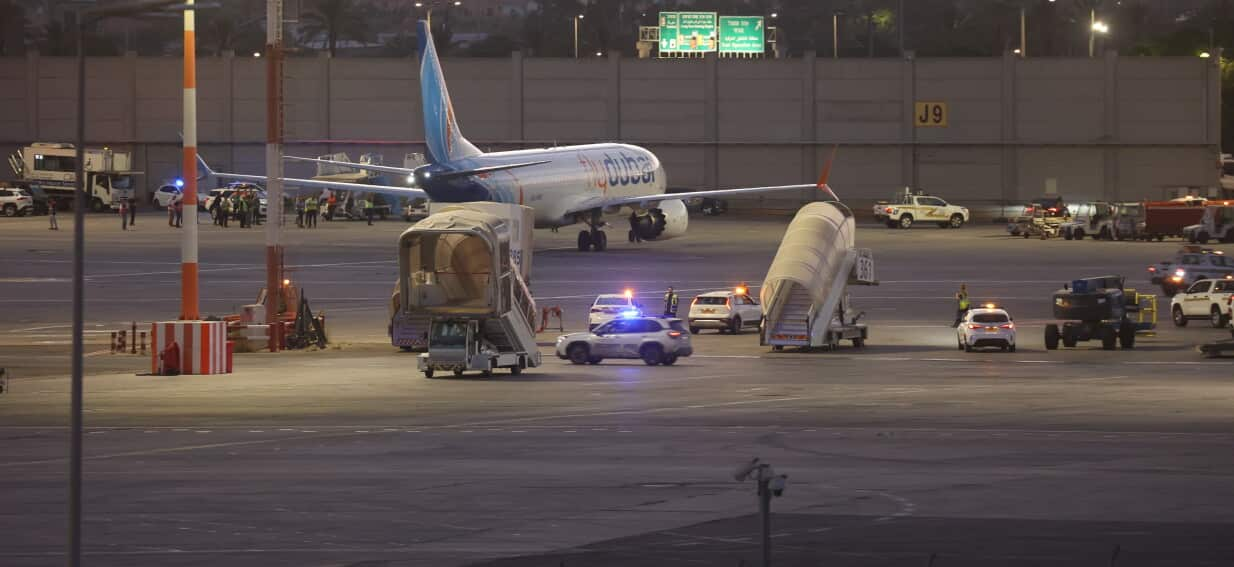
Seventeen thousand feet above the earth, the world stops being a place of politics, borders, or noise. It becomes a thin blue silence. Inside the cockpit of flydubai Flight 1073, heading toward Israel, that silence fractured with the sound of a blade.
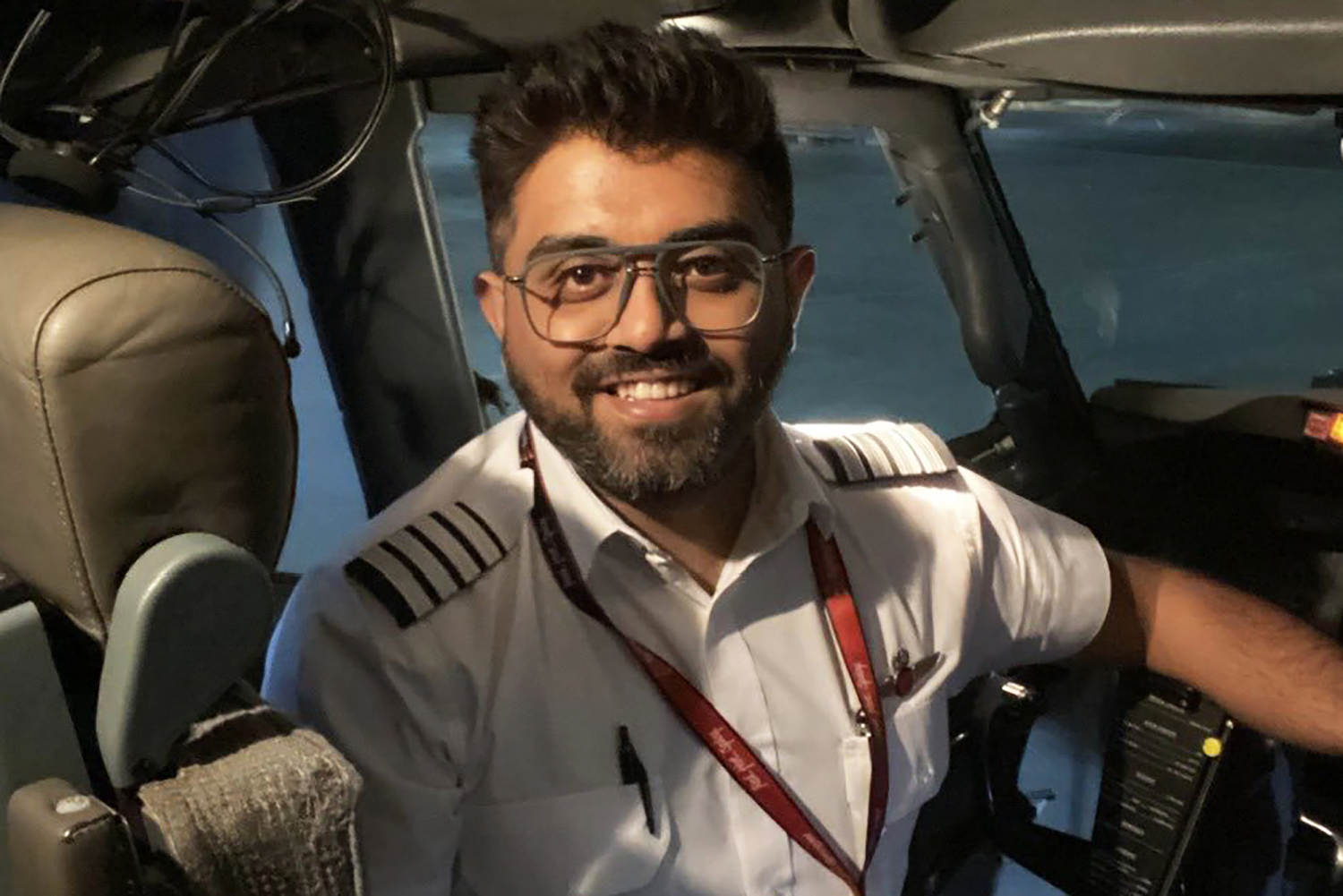
Captain Smit Machchhar, an Indian national whose quiet path to aviation began out of a sudden love for the skies, found himself fighting for his life against his own co-pilot. The metal door of the cockpit was meant to keep the outside world away from the flight deck. It was never designed to protect the pilot from the person sitting right beside him. If you enjoyed this post, you might want to read: this related article.
Imagine the sudden, suffocating panic. One moment, tracking instruments hum a steady rhythm. The next, a violent assault shatters the calm. Blood, confusion, and an aircraft suddenly sent plunging into a terrifying steep descent. The co-pilot, consumed by dark intent, sought to turn a commercial airliner carrying 174 souls into a weapon.
Down in the cabin, passengers felt the drop before they heard the screams. The plane shuddered, groaning under structural stress as it dove toward the earth. Fear is a physical weight. It sits on your chest. It makes the air taste like copper. In row 10, a mother held her four daughters tight, wondering if this was where their story ended. For another perspective on this story, refer to the latest update from Reuters.
Yet, human resilience is stubborn
The Second Before Silence When an Israel Bound Plane Defied Disaster
news, travel
Altitude is a cruel protector. At thirty thousand feet, the world below loses its jagged edges, reduced to a quilt of muted greens and browns, completely indifferent to the frail aluminum cylinder cutting through the frost. Passengers sleep against cool windows. Flight attendants pour lukewarm coffee into plastic cups. A hum of white noise blankets the cabin, promising ordinary physics, ordinary transit, ordinary arrival.
Then comes the lurch.
It is a sudden, physical betrayal by the air itself. Your stomach pins itself against your ribs. The collective hum of human voices drops to a breathless, synchronized gasp. In that microsecond, the distance between routine and catastrophe shrinks to zero.
That was the terrifying reality aboard an Israel-bound flight that faced a sudden, catastrophic threat, averted only by the iron nerve of a pilot whose name would soon be whispered with a mixture of awe and disbelief.
We talk about aviation safety in cold metrics. We speak of redundant systems, hydraulic loops, and stress-tested alloys. But history is rarely shaped by titanium. It is shaped by pulse rates. It is shaped by a human hand steadying a yoke while adrenaline screams through the bloodstream.
To understand what happened in that cockpit, you have to throw away the technical manuals and step into the sensory vacuum of the flight deck. Imagine the sudden cascade of warning chimes. Not a polite chime, but the aggressive, rhythmic howling of a stall warning or a structural alert. The instrument panels bleeding amber and red. The sensory overload of a thousand dials flashing demands at two men who have seconds to translate chaos into survival.
Most people freeze. The human animal is wired to recoil from sudden destruction. But professional aviators undergo a brutal psychological alchemy. They train for the worst day of their lives until it becomes muscle memory.
When the Israel-bound aircraft encountered its critical anomaly—a crisis born from mechanical failure or sudden environmental hostility—the margin for error vanished. Every passenger scrolling through their phone or dozing off was completely unaware that their lives had just become dependent on the micro-decisions of a stranger six rows ahead behind a reinforced door.
The captain, hailed almost universally as a hero in the hours following the safe emergency landing, did not experience a cinematic moment of profound realization. Heroes rarely do. Instead, there was tunnel vision. There was the heavy smell of heated electronics, the vibrating floorboards, and the absolute clarity required to sort critical signals from the noise of a failing machine.
Think about the physical weight of that control column. Every slight adjustment requires immense physical effort when the aerodynamics go rogue. The pilot is fighting not just the atmosphere, but the terrifying momentum of a massive metal tube plummeting toward tragedy. In those moments, training ceases to be knowledge and becomes reflex. Push, pull, balance, correct.
On the ground, air traffic controllers watch a blip on a screen shift from an orderly vector to a desperate plea. They hold their breath, their voices dropping an octave as they clear the skies below, carving an invisible highway of absolute priority toward the nearest tarmac. They become witnesses to a struggle they cannot touch.
Inside the cabin, the anxiety is infectious. Flight crews, terrified beneath immaculate uniforms, project a terrifyingly calm exterior. They walk the aisles, checking seatbelts, speaking in low, measured tones designed to convince terrified passengers that everything is under control, even when the cabin air pressure shifts or the emergency slides are checked.
When the wheels finally struck the runway, the impact was not a gentle arrival. It was a violent, screeching collision with reality. Brakes locked. Reversers roared, screaming against the forward momentum. Smoke rose from scorching rubber.
And then, silence.
Not the peaceful silence of cruise altitude, but the heavy, vibrating silence of survival.
Seconds later, the sound of collective weeping broke out. Strangers grabbed forearms. Oxygen masks dangled overhead like strange, plastic fruit. People stood up too fast in the cramped aisles, desperate to touch solid ground, desperate to feel the earth beneath their feet.
The pilot remained in the cockpit long after the engines spooled down. Out of sight, away from the applause and the cameras, the biological toll of absolute terror takes over. Hands shake only after the danger passes. The adrenaline crash is as violent as the crisis itself.
We search for heroes because we are desperately afraid of our own fragility. We want to believe that when the sky tears open, someone bigger, smarter, and braver will step forward to catch us.
That pilot did not perform a miracle. Miracles imply the suspension of natural laws. What happened on that flight was far more remarkable. It was the absolute triumph of human competence over random chaos. It was years of boring drills, sleepless nights studying flight dynamics, and stubborn, quiet discipline compressed into five terrifying minutes.
The plane was repaired. The passengers scattered to their families, hugging children a little tighter that night, looking out at the evening sky with a renewed, sober respect for the void above.
The headlines faded within days. The news cycle marched on to the next disaster, the next political squabble, the next distraction. But somewhere over the Mediterranean or the rugged coastline leading toward Tel Aviv, the ghost of that descent remains. It lives in the quiet focus of every cockpit crew clocking in for a night shift, and in the unspoken trust of every traveler who steps onto a plane, turns off their phone, and chooses to believe that tomorrow is guaranteed.