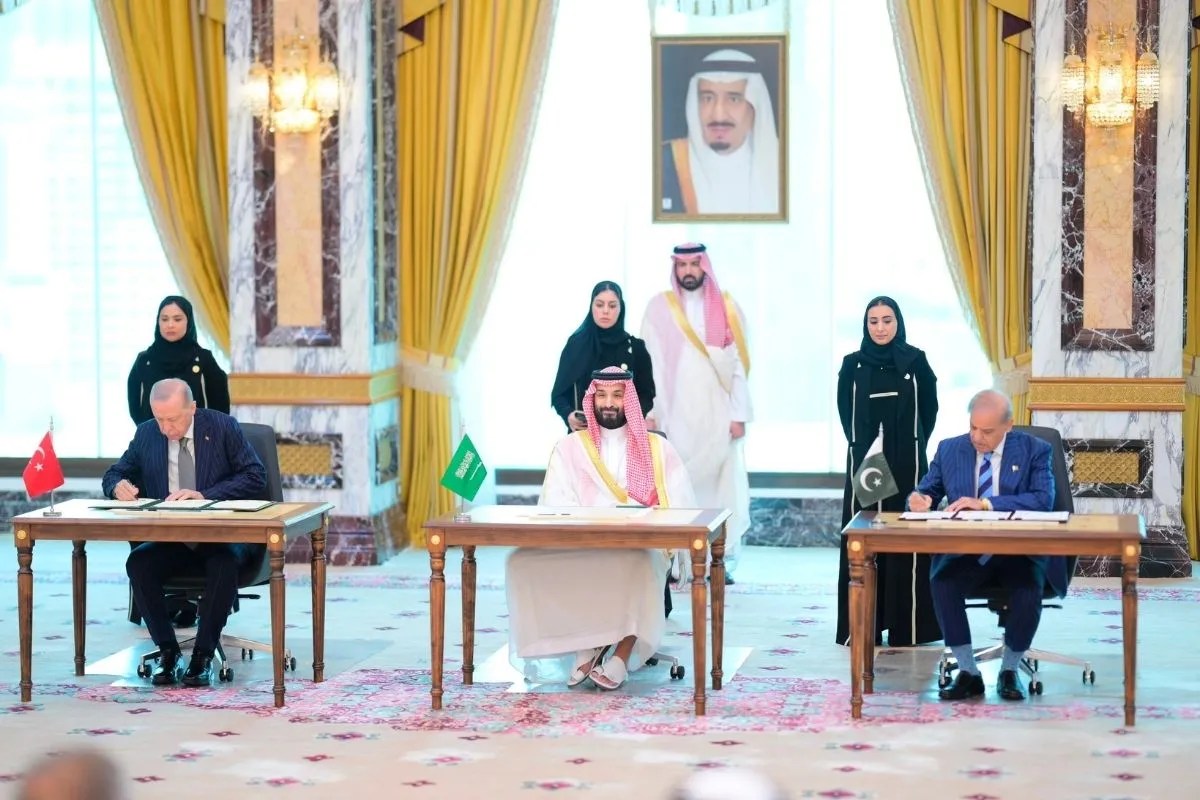
Ink on high-grade parchment rarely stops a drone in flight. When the Mecca Joint Defense Agreement was signed with considerable diplomatic theater, architects of the security pact hailed it as a historic shield for the Gulf.
Barely weeks later, reality intervened. Aerial strikes targeted infrastructure within Saudi borders, prompting immediate questions across international capitals regarding the operational value of the treaty.
An alliance built on sweeping statements of mutual protection faces an unforgiving test when actual ordnance begins falling. The core friction point is not a lack of ink, but a fundamental divergence in strategic calibration between Riyadh, Islamabad, and Ankara.
The Anatomy of Strategic Ambiguity
Treaties designed to project deterrence often obscure operational hesitation. The text of the Mecca agreement establishes that an attack on one is an attack on all.
Military analysts, however, quickly noted the absence of binding protocols detailing joint command structures, automated response triggers, or integrated air defense frameworks.
Diplomacy thrives on ambiguity. Defense pacts usually die of it.
When regional adversaries test the perimeter, vague declarations of solidarity do not intercept incoming trajectories. Pakistan maintains deep security ties with Saudi Arabia, anchored by decades of training missions and advisory deployments. Yet, Islamabad navigates a complicated geopolitical balancing act.
Engaging in a direct regional conflict against entities backed by Tehran carries severe economic and domestic blowback for Pakistan. Leadership in Islamabad values financial support and strategic partnerships from Gulf capitals, but fiscal realities and border stability impose strict limits on military adventures far from home.
The Cost of Paper Shields
Ankara approaches the framework through a different lens. Turkey seeks to project influence across West Asia while managing its own complex diplomatic channels with Iran, Western powers, and local proxies.
Constitutional requirements in Turkey mandate parliamentary ratification for serious security commitments, turning grand regional announcements into protracted domestic legislative debates.
Riyadh discovered that purchasing diplomatic reassurance does not automatically translate into a joint expeditionary capability. Security architecture requires shared threat perceptions, interoperable hardware, and absolute clarity on the threshold for retaliation.
When those elements are missing, an alliance functions more like a non-aggression comfort blanket than a functioning shield.
Beyond the Headlines
Observers questioning the durability of the pact often miss the broader geopolitical signaling. For Saudi leadership, diversifying security partners away from an increasingly unpredictable Washington remains an urgent imperative.
Building a multilateral security framework provides Riyadh with diplomatic leverage, signaling to traditional Western allies that alternative defensive umbrellas are within reach.
Yet, managing public expectations is hazardous. When state media portrays a pact as an Islamic counterweight to regional threats, populations expect immediate kinetic protection when installations are hit.
When that protection manifests as diplomatic communiqués rather than interceptor missiles, the credibility gap widens.
Military deterrence relies entirely on the adversary believing that a red line will trigger immediate, catastrophic retaliation. If a defense pact requires committee meetings, constitutional approvals, and hurried phone calls to capitals thousands of miles away before a response is authorized, deterrence evaporates.
The architects of the Mecca agreement aimed to construct a permanent security architecture for a shifting landscape. Instead, the early turbulence exposed the enduring gap between diplomatic aspirations and the cold, unyielding mechanics of modern statecraft.
Until member states align their operational doctrines and demonstrate a willingness to absorb shared risks, similar agreements will remain expressions of hope rather than instruments of war