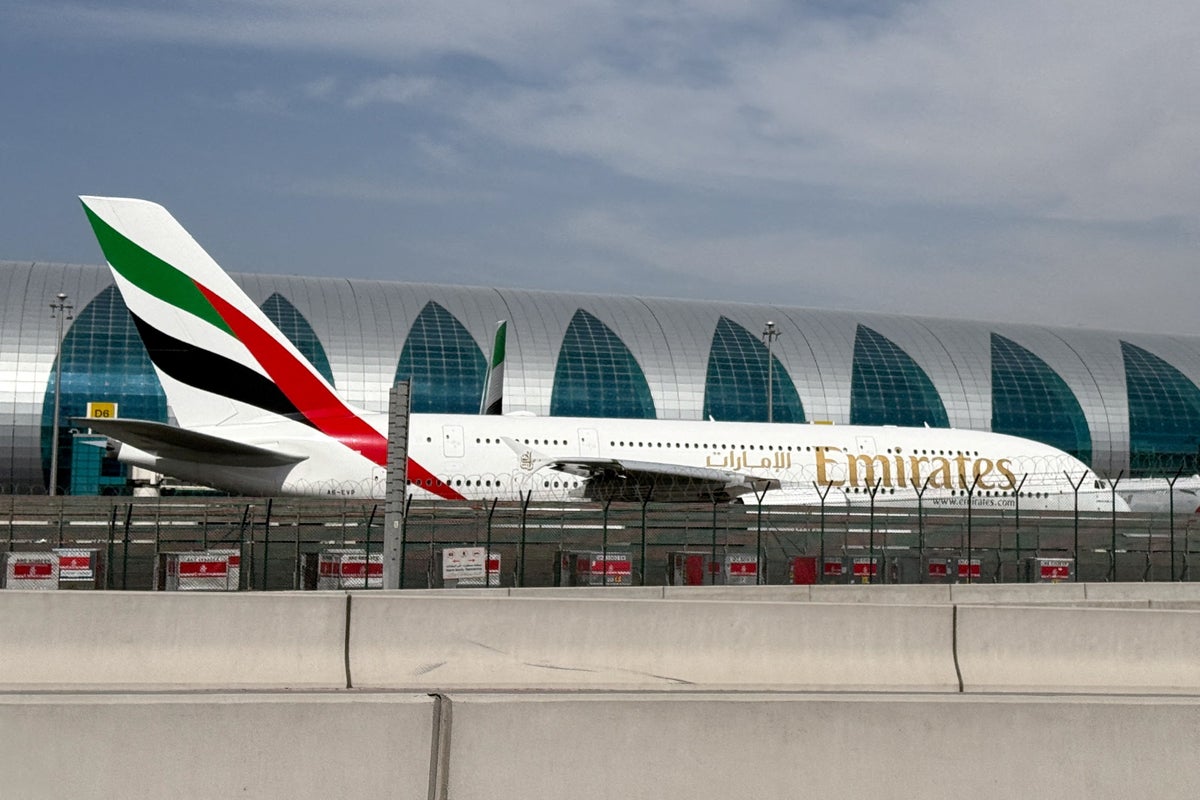
Airlines usually have one move when passengers get scared to fly. They slash ticket prices. But Emirates President Tim Clark is making a different, far riskier bet.
As the U.S.-Israeli war against Iran drags on, regional airspace restrictions have turned long-haul flight paths into a logistical nightmare. Instead of launching a desperate price war to fill empty seats, Emirates is banking on a strategy that prioritizes reliability over cheap tickets. Honestly, it is a massive gamble in a region where passenger traffic has dropped nearly 48% over the last few months.
If you are looking at booking a flight through Dubai right now, you probably do not care about a $50 discount anyway. You want to know if your flight will get canceled, if your plane is dodging missiles, or if you will end up stranded thousands of miles away from home. Emirates knows this. The airline's new strategy tackles travel anxiety head-on, bypassing traditional discounts to focus entirely on customer protection.
The Reality Behind the Dubai Hub Slowdown
The ongoing conflict has hit Gulf aviation hard. Let's look at the actual numbers because they paint a brutal picture. Dubai International Airport (DXB) handled 18.6 million passengers in the first quarter of 2026. That sounds decent until you realize it is down 20.6% from the previous year. March traffic alone plummeted by a staggering 65.7% year-over-year.
Airlines cannot hide this kind of drop. Emirates itself shed nearly 500,000 seats, cutting its June capacity by roughly 16%. Daily outbound departures dropped from 237 down to 200. Qatar Airways cut flights by 19% over the same period. This is not a minor bump. It is a structural crisis for hubs that rely on connecting the East to the West.
The fundamental issue is airspace. The European Union Aviation Safety Agency issued strict conflict-zone warnings, advising commercial airlines to stay clear of large sections of the Gulf. When you cannot fly over Iran or Iraq, your flight times explode. Longer routes mean burning more jet fuel. Combined with fluctuating oil prices driven by the conflict, Emirates simply cannot afford to lower ticket prices. They are burning cash just keeping the planes in the sky.
What Emirates Non-Price Incentives Actually Mean for You
Since dropping fares is off the table, what exactly is Emirates offering to get you back on their planes? Speaking at an aviation summit in Berlin, Tim Clark laid out an alternative incentive program. It focuses entirely on removing the risk of getting stranded.
- Guaranteed Rebooking on Competitors: If a sudden escalation forces Emirates to cancel flights, the airline promises to buy you a seat on a rival carrier to get you to your destination. Clark specifically noted this applies to families needing to get kids back into school on time.
- Complimentary Date Changes: For bookings made during this high-risk period, the airline is offering free date changes across all cabin classes, giving travelers flexibility if regional tensions flare up.
- Massive Intelligence-Sharing Networks: Emirates has ramped up data and intelligence sharing with regional governments and other airlines to track airspace risks in real time.
It is a clever psychological shift. They are trying to turn a luxury brand reputation into a security blanket. They want you to think of them as the safest, most dependable option when everything else is going to hell.
The Problem With the First-Class Deficit
While the airline tries to project absolute confidence, there is a visible crack in the armor. First-class and business-class cabins are currently operating well below capacity. Wealthy corporate travelers and luxury tourists are simply avoiding the region entirely.
Losing premium passengers is incredibly damaging for a long-haul carrier. The profit margins on those high-end seats essentially subsidize the economy section. Clark remains publicly optimistic that summer travel demand will hold up and that oil prices will eventually stabilize, but relying on economy passengers to sustain an A380 fleet during a war is a tough sell.
The Strategy Moving Forward
If you have travel plans that involve transiting through the Middle East, monitoring airline capacity is your best defensive move. Watch the flight schedules closely. Emirates is currently operating at about 80% of its normal schedule, with plans to scale capacity back up as airspace restrictions permit.
Do not expect ticket prices to drop anytime soon. If you see an airline offering suspiciously cheap fares through the Gulf right now, be careful. They are likely struggling with cash flow and cutting corners.
Your best move is to leverage the flexibility policies currently in place. Book directly through the airline rather than a third-party website, as third-party platforms often fail to honor the emergency rebooking guarantees and competitor transfers that Clark promised. Keep an eye on real-time flight tracking data and ensure your travel insurance specifically covers airspace closures and war-related disruptions. The aviation landscape has changed, and relying on price alone to choose your carrier is a mistake.