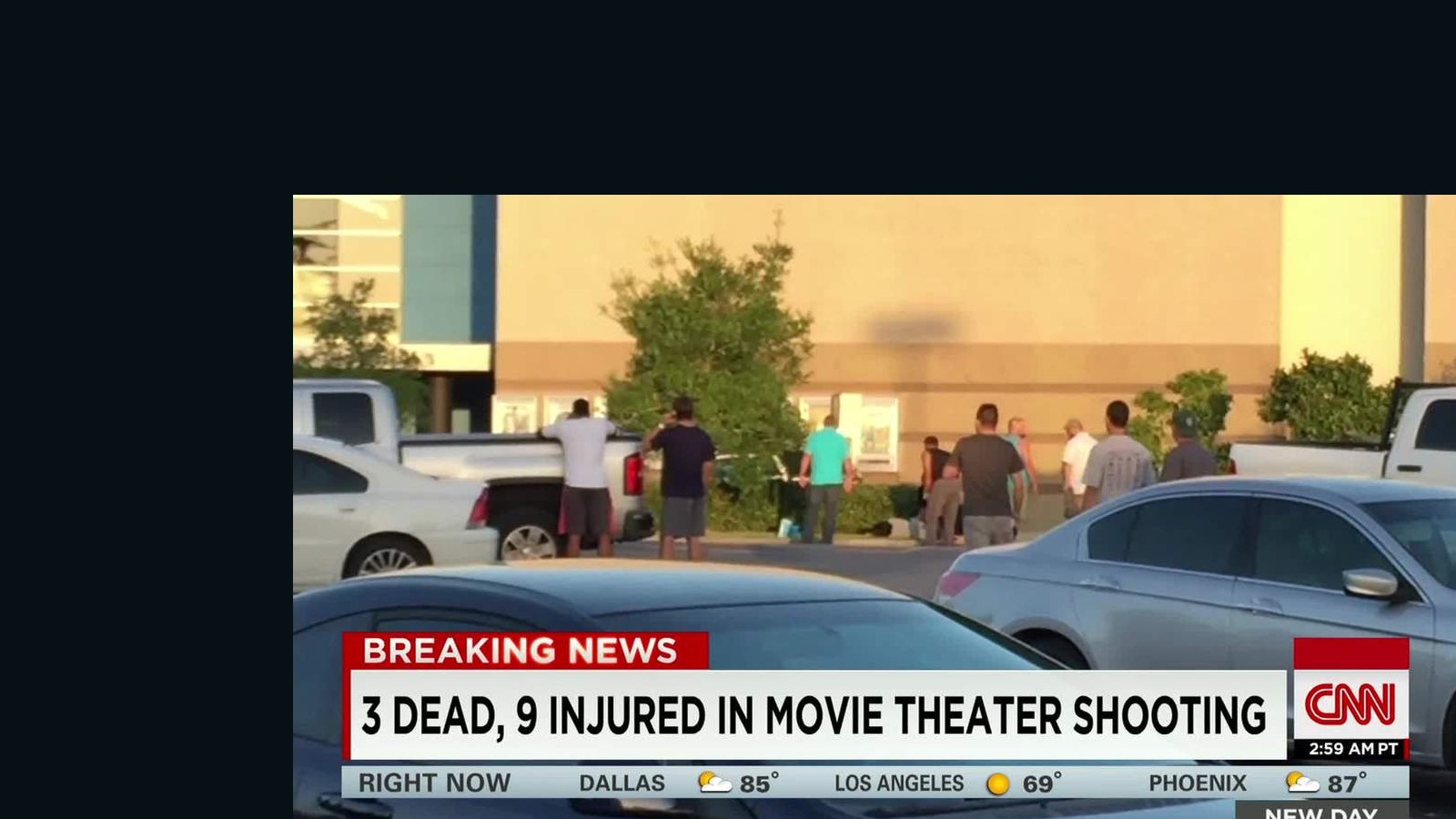
Louisiana is reeling after a horrific mass shooting that left eight children dead. It's the kind of headline that stops your heart, yet somehow feels like a dark, recurring loop in American life. When the police confirmed the numbers, the immediate reaction was a mix of visceral shock and a weary, cynical "not again." This isn't just another statistic for a spreadsheet. It’s a complete collapse of the safety net we promise to every child.
People often ask how something this big happens without more warning. The truth is usually found in the gaps between law enforcement reports and the reality of community safety. When eight kids lose their lives in a single event, the conversation shouldn't just be about the shooter. It has to be about why we keep ending up in this exact spot.
What We Know About the Louisiana Mass Shooting
Initial reports from local law enforcement painted a grim picture. The victims were young. Their lives were cut short in a flash of violence that local authorities are still trying to piece together. In these situations, the first 48 hours are a chaotic scramble for answers. Police are looking at motives, weapon origins, and whether there were any red flags that went ignored.
The numbers are staggering. Eight children. That’s nearly an entire classroom in some districts. Louisiana has long struggled with high rates of violent crime, but an event of this scale puts a spotlight on the state’s specific vulnerabilities. Investigators haven't just been looking for a "why." They’re looking at the "how." How did the shooter get the weapon? How did they get so close to so many vulnerable people?
It’s easy to get lost in the technicalities of the investigation. We talk about calibers and response times. We dissect police press releases like they’re sports stats. But the reality is much simpler and much more painful. Eight families are now planning funerals for children who should have been doing homework or playing outside.
Why the Crisis in Louisiana Hits Different
Louisiana consistently ranks near the top of lists no state wants to be on. We’re talking about firearm mortality and overall violent crime. Data from the Centers for Disease Control and Prevention (CDC) often shows Louisiana with one of the highest rates of gun-related deaths in the country. This isn't a new trend. It’s a chronic condition.
The state’s gun laws are some of the most permissive in the nation. While advocates argue this protects the Second Amendment, critics point to the body count as evidence of a failed system. When eight children die, the "both sides" argument starts to feel incredibly thin. You can't ignore the correlation between easy access and frequent tragedy.
Local law enforcement agencies are often underfunded and overwhelmed. In rural areas, response times can be slow. In urban centers, the sheer volume of calls makes proactive policing nearly impossible. This creates a vacuum where violence can escalate quickly. By the time the police arrive at a scene like this, the damage is already irreversible.
The Mental Health Red Flag Myth
Every time a mass shooting happens, the "mental health" card gets played. It’s a convenient way to avoid talking about the tools used in the crime. Honestly, it’s a bit of a cop-out. While mental health is a huge issue in the U.S., most people struggling with mental illness are victims of violence, not perpetrators.
The focus should be on behavioral intervention and "red flag" laws. These are the tools that actually allow authorities to step in when someone shows clear signs of being a danger to themselves or others. In many states, these laws are tied up in legal battles or simply don't exist. Louisiana has faced significant hurdles in implementing the kind of legislation that might have flagged a shooter before the first trigger pull.
We need to stop using mental health as a shield to protect the status quo. If we’re serious about protecting kids, we have to look at the intersection of behavioral health and firearm access. One without the other is an incomplete picture.
How Communities Can Actually Respond
Grief is a heavy weight, but it can also be a catalyst. We’ve seen it before in places like Parkland or Sandy Hook. The families in Louisiana are just beginning a journey no one should ever have to take. Support shouldn't just be a "thoughts and prayers" tweet. It needs to be tangible.
- Victim Advocacy: Local organizations are often the first to provide counseling and financial help for funeral costs.
- Legislative Pressure: Change doesn't happen because politicians have a change of heart. It happens because voters make it impossible for them to stay the course.
- Community Watch: Being hyper-aware of your surroundings and reporting suspicious behavior isn't being "paranoid." It's being part of a collective defense.
The reality is that police can't be everywhere. They are a reactive force. Prevention happens in the home, in schools, and in local government offices long before a crime occurs.
The Failure of National Policy
The federal government has been in a stalemate over gun violence for decades. While some minor bipartisan bills have passed, they barely scratch the surface of the problem. This leaves states like Louisiana to fend for themselves, often with disastrous results.
The "8 children killed" headline is a direct result of this policy paralysis. When we refuse to address the root causes of violence at a national level, we’re essentially deciding that these deaths are an acceptable cost of our current lifestyle. Most people would agree that eight dead kids is an unacceptable cost. Yet, here we are.
Statistics from the Gun Violence Archive show that mass shootings are becoming more frequent and more deadly. We aren't just seeing more "lone wolf" attacks; we're seeing a breakdown in the social fabric. People feel isolated, angry, and empowered by weaponry that was never intended for civilian disputes.
Moving Beyond the Headline
If you're reading this and feeling helpless, you're not alone. It’s an exhausting cycle. But the worst thing you can do is look away. These children deserve more than a 24-hour news cycle. They deserve a fundamental shift in how we handle public safety.
Check in on your local school board's safety protocols. Ask your state representatives where they stand on specific red flag laws. Support organizations like Everytown for Gun Safety or local Louisiana groups working on the ground. Don't let the noise of the next news story drown out the silence left by these eight children.
The investigation in Louisiana will continue. More details will come out about the shooter’s past and the moments leading up to the tragedy. But we already know enough. We know that the current system failed eight kids, and until we change the underlying mechanics of how we regulate violence, it'll happen again.
Stop waiting for a "perfect" solution that pleases everyone. It doesn't exist. What does exist is the ability to make small, incremental changes that save lives. Start by demanding transparency from the ongoing investigation and holding local leaders accountable for the safety of the most vulnerable people in their care.