The sea does not care about borders. It recognizes no flags, respects no diplomatic channels, and offers no quarter to those caught upon its vast, indifferent blue. To stand on the deck of a cargo vessel navigating the treacherous waters off Yemen and Somalia is to understand a profound kind of isolation. You are thousands of miles from home, surrounded by an expanse that can turn from a glassy mirror to a violent, gray monster in a matter of hours.
And then, there are the shadows.
For twenty-two Indian sailors, that isolation recently curdled into a waking nightmare. Out of the horizon, cutting through the salt-spray and the heavy tropical air, came the threat that haunts every modern mariner. Pirates. Not the romanticized rogues of cinematic fiction, but desperate, heavily armed men operating in lawless zones where governance is a luxury of the mainland.
Consider what happens next in the dead of night. The sudden claxon. The frantic locking of doors. The heart hammering against ribs as unfamiliar boots hit the steel deck. For the families back home in the coastal villages of Kerala, Gujarat, or Goa, thousands of miles away, the phone rings with a sound that freezes time. A crackling connection. A fragmented message. And then, silence.
That silence is the heaviest weight in the world.
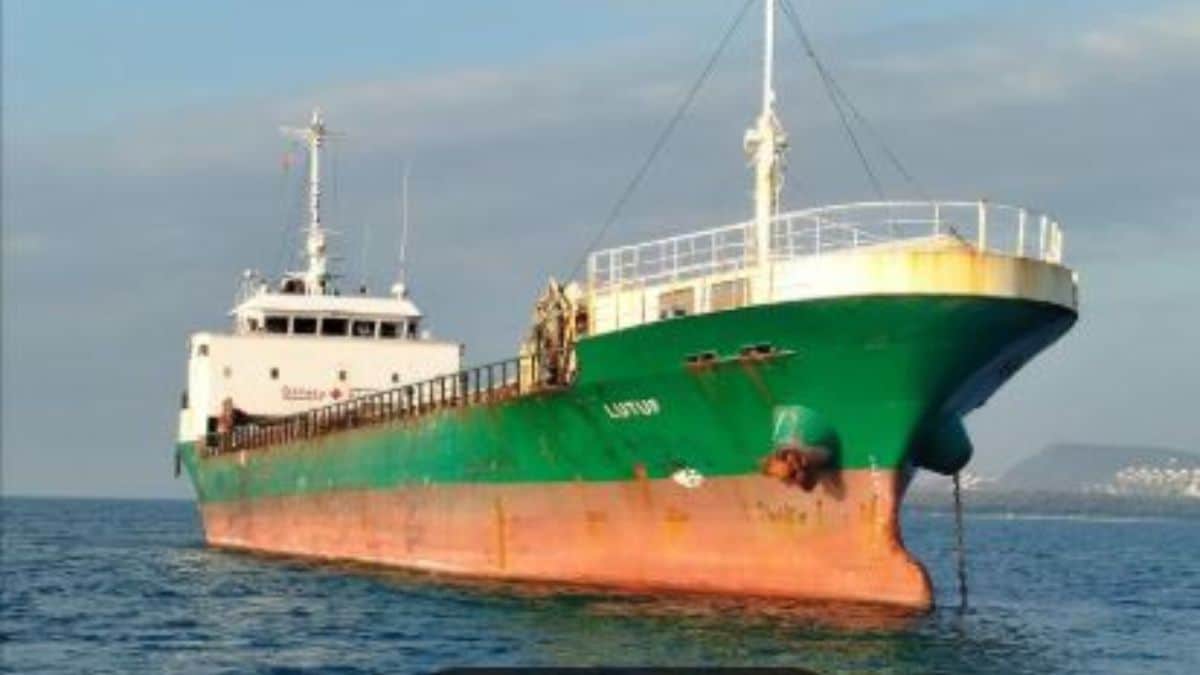
When two vessels were hijacked off the coasts of Yemen and Somalia, the immediate reaction in global headlines was cold and clinical. Statistics. Coordinates. Tonnage numbers. But numbers do not capture the terror of a mother watching the evening news in a cramped living room in Mumbai, praying that a familiar face will not flash across the screen. They do not measure the agonizing hours spent staring at a blank phone screen, waiting for a government update that feels too slow and too distant.
Yet, behind the sterile reports of diplomatic engagement, a frantic machinery whirred into motion. India reaches out to Somalian authorities. That is the dry phrasing of international relations. The reality is far more frantic. It is late-night cables burning through encrypted channels. It is ambassadors waking up ministers. It is naval intelligence officers cross-referencing satellite imagery, tracking the ghosts of hijacked hulls as they slip into hidden coves along a jagged, dangerous coastline.
Maritime security is often discussed as an abstract economic necessity. We talk about supply chain disruptions, insurance premiums, and the cost of imported goods. We forget that the global economy is backed by flesh and blood. Every container ship, every bulk carrier, every oil tanker is manned by human beings who missed their children's birthdays, who sleep in cramped cabins, and who hold the fragile threads of international commerce in calloused hands.
When those twenty-two sailors were caught in the crosshairs of maritime piracy resurgence in the Western Indian Ocean, a quiet mobilization began. The Indian Navy, long accustomed to patrolling these dangerous trade routes, adjusted its posture. Frigates shifted courses. Surveillance aircraft traced invisible arcs across the sky. Diplomacy became a shield, moving quietly in the background to ensure that the situation did not devolve into irreversible tragedy.
Communication is the first casualty in these crises. For days, the families endured a vacuum. Every rumor on social media felt like a physical blow. Every unverified report from local fixers heightened the panic. This is the human cost of geopolitical instability. It is measured in frayed nerves, sleepless nights, and the agonizing suspension of normal life.
Then came the pivot point. The verification.
All twenty-two Indian sailors are safe.
The words, when they finally dropped into the public domain, carried the force of a physical release. Safe. Not a rescue operation played out in a storm of gunfire, but a tense, intricate web of backchannel negotiations, regional coordination, and diplomatic pressure that forced the captors to realize the price of holding these men was too high. The Somalian authorities, working within the friction of limited resources and complex local politics, cooperated. The lines held.
We exhale. The news cycle moves on. Within twenty-four hours, the headlines will shift to markets, elections, and weather patterns. The hijacked ships will eventually be cleared, repainted, and sent back out into the shipping lanes.
The sailors will return home. They will sit on plastic chairs in humid courtyards, drinking tea with neighbors who pat them on the back and ask about the adventure, as if danger were just another item on a travel itinerary. The men will smile, nod, and leave out the worst parts. They will not talk about the hours spent facing a wall with hands bound. They will not mention the sudden vertigo of realizing how thin the veneer of civilization truly is once you venture far enough from the shore.
Because that is what mariners do. They swallow the fear and look toward the next horizon.
Yet, the rest of us should not forget. Every cup of coffee, every imported electronic device, every manufactured good sitting on a retail shelf has a ghost in its machinery. It traveled across oceans patrolled by desperation. It was carried by men whose names we will never know, navigating waters where the rule of law is little more than a suggestion.
The sea remains wide, deep, and indifferent. But tonight, twenty-two families in India are sleeping beneath ceiling fans that slowly churn the warm air, listening to the steady, reassuring breath of fathers, sons, and brothers who came back from the edge. Somewhere out there, another vessel is cutting through the dark, carrying a fresh crew toward the horizon, trusting that someone, somewhere, is watching the water.