September in Las Vegas smells of desert heat, exhaust fumes, and the sweet, lingering residue of casino air conditioning spilling onto the pavement. On a September night nearly three decades ago, that air was pierced by the sound of metal tearing and gunshots echoing against the neon facade of the Strip. Inside a black BMW, a twenty-five-year-old man slumped forward. His name was Tupac Shakur. He was a poet, a brawler, a visionary, a contradiction, and above all, a human being whose life was extinguished in a hail of bullets from a white Cadillac.
For nearly thirty years, the murder existed in a strange purgatory. It lived as a fixture of pop culture mythology, a grim staple of late-night documentary specials, and a mournful chorus whispered by fans who grew up reciting lines from Me Against the World. People treated his death like a permanent fixture of the urban landscape, an unsolved tragedy swallowed by time.
Then came the courtroom doors opening.
Now, a long-awaited trial commands attention, dragging the raw, unhealed wounds of 1996 into the harsh fluorescent glare of a modern courtroom. This is not merely a legal proceeding about an aging charge sheet. It is an excavation of an era, a reckoning with institutional inertia, and a desperate pursuit of closure for a family that has spent decades staring at an empty chair.
Consider what happens when history refuses to stay buried.
The Night the Music Stopped on Flamingo Road
To understand why this trial matters, you have to rewind to September 7, 1996. Mike Tyson had just fought Bruce Seldon at the MGM Grand. Tupac was there, ringside, radiating the electric, chaotic energy that defined his existence. Hours later, he and Death Row Records CEO Suge Knight rolled down Flamingo Road in a convoy of cars, stopped at a red light, and encountered the abyss.
Four gunshots. Four bullets finding their mark. Six days later, Tupac was gone.
In the immediate aftermath, the investigation sputtered. Witnesses clammed up. Gang dynamics on the streets of Compton and Las Vegas cast a long, terrifying shadow over potential informants. The unspoken code of the streets dictated silence, and the police department, overwhelmed or indifferent, let the trail go cold. Decades slipped past. Generations of hip-hop fans were born, grew old, and passed down his albums like sacred texts, while the man who ordered the shots—according to prosecutors—walked freely through the sunshine of suburban neighborhoods.
Silence is a heavy garment. For Afeni Shakur, Tupac’s mother, that silence was a daily torment until her own passing in 2016. She did not live to see the handcuffs click onto Duane "Keefe D" Davis in late 2023. She did not live to watch the legal apparatus finally grind into motion, moving sluggishly toward a courtroom showdown.
Yet, the silence has finally broken.
Inside the Legal Labyrinth
Trials of this magnitude are strange beasts. They operate on dusty procedural rules, miles away from the raw emotion of the streets where the violence occurred. Attorneys flip through aging police reports yellowed at the edges. Retired detectives take the stand, their hair graying, their memories hazy with the fog of thirty intervening years.
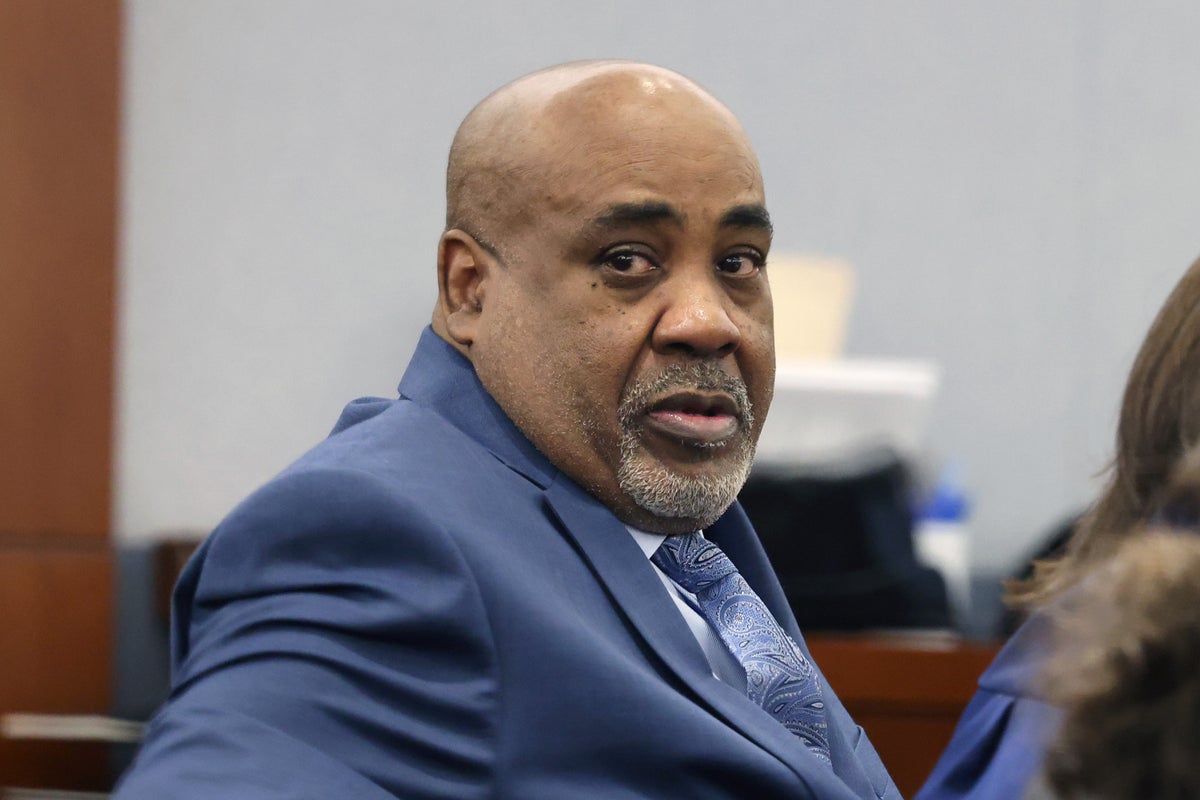
The central figure in the dock is Keefe D, an aging former gang leader who spent years publicly recounting his role in the drive-by shooting in interviews, podcasts, and memoirs, seemingly convinced that age and notoriety offered him immunity from the grave. He talked too much. He boasted about handing the gun to the shooter in the backseat. He treated his participation in a murder like a badge of honor for street credibility, forgetting a fundamental truth: memories fade, but audio recordings and ink on paper endure.
Prosecutors face an uphill battle. Building a murder case on decades-old testimony is like trying to reconstruct a shattered vase from dust. Witnesses are dead. Alibis are murky. Defense attorneys poke holes in the credibility of aging informants who might be cutting deals to save their own skins.
Yet, the weight of the evidence is undeniable in its cumulative force. This trial forces a brutal confrontation with accountability. It asks a jury—and by extension, society—to look past the myth of Tupac the legend and confront the reality of Tupac the victim.
The Human Cost Behind the Microphone
We often talk about cultural icons as if they were made of marble. We treat their deaths like plot points in a tragedy written by someone else. But strip away the platinum albums, the cinematic performances, the bandana tied around his forehead, and the fierce political rhetoric, and you find a young man who was terrified, ambitious, deeply loyal, and profoundly flawed.
Tupac was twenty-five. Think about what twenty-five means. It is an age defined by frantic urgency, by the belief that you have all the time in the world coupled with the gnawing fear that your time is running out. He was writing furiously, recording multiple tracks a day, pouring his soul into microphones because he sensed the reaper pacing just outside the vocal booth.
When he died, a piece of American cultural confidence died with him. The golden era of 1990s hip-hop was forever stained by coastal rivalries that turned lethal, transforming artistic competition into actual bloodshed. The industry lost its most provocative voice, and a mother lost her only son.
The courtroom in Las Vegas cannot resurrect the dead. It cannot rewrite the nineties or restore the years stolen from hip-hop history. What it can offer is a full stop. Or, perhaps, a semicolon. A moment where the official record is finally corrected, where the whisper network of conspiracy theories is replaced by the solemn gavel of judicial fact.
The Final Verdict of Time
As proceedings unfold, the gallery fills with journalists, curious onlookers, and older fans wearing shirts bearing his face. Outside, the desert wind whips past the courthouse, indifferent to the ghosts of 1996.
Justice moves at the speed of glaciers, but it moves nonetheless. For years, the narrative of Tupac Shakur’s death was defined by impunity. It was defined by the cynical acceptance that some lives are cheap, some crimes are unsolvable, and some legends are destined to fade away into unsolved folklore.
This trial dismantles that cynicism. It declares that time does not wash away blood, and notoriety does not outrun the law forever.
The white Cadillac is long gone. The streets of Las Vegas have transformed, neon replaced by newer, brighter lights. But inside that courtroom, the past refuses to remain silent. A gavel strikes wood, a witness leans into the microphone to speak the truth, and somewhere in the eternal hum of the culture Tupac helped build, the final chapter begins to write itself.


