The courtroom air always smells the same. It carries the faint, dry scent of old paper, floor wax, and the quiet, heavy panic of people who realize too late that their choices have caught up to them.
Outside, the world keeps moving. Cars honk, street vendors call out prices, and autumn leaves skitter across the pavement. Inside, time slows down to the rhythmic, indifferent tick of a clock on the wall.
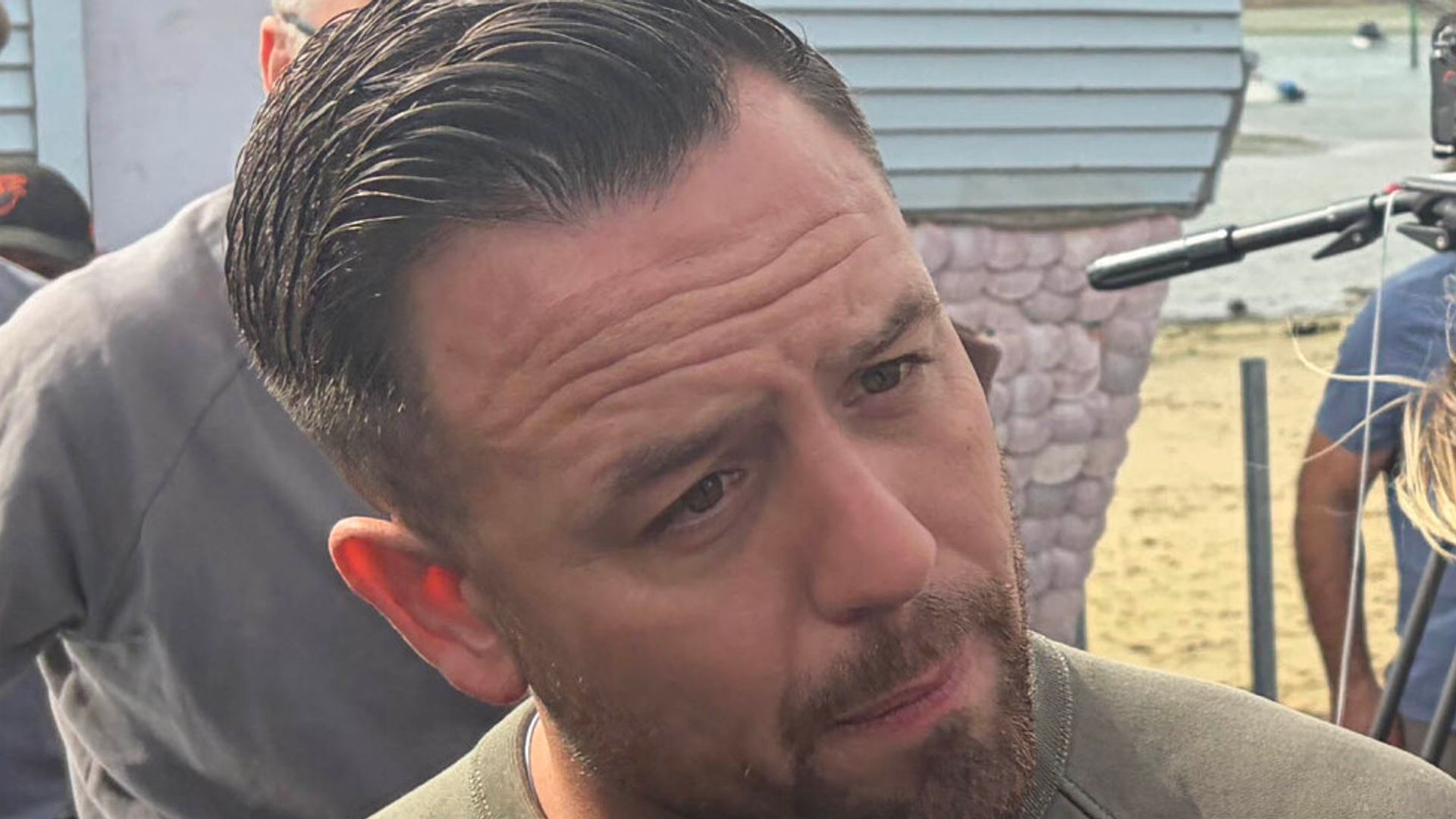
Here sits Daniel Thomas.
To the headlines, he is an anti-migrant activist, a figurehead of a polarized movement, a name dropped into morning broadcasts alongside rising tensions and flashing blue lights. But behind the label, behind the court transcripts and the cold flash of camera lenses, there is just a man sitting on a hard wooden bench, listening to the heavy rattle of a steel door swinging shut.
Remanded in custody. Four words. Bureaucratic prose that conceals an entire universe of confinement.
We live in an era where words are cheap and grievances are currency. Every day, digital feeds overflow with outrage. It is easy to type from the safe, blue-lit comfort of a bedroom. It is easy to hurl insults across the virtual divide, to build an identity out of opposition, to treat complex human suffering as a scoreboard for ideological victory. We forget that words have weight. We forget that rhetoric, when stoked hot enough, spills out of the screen and into the streets.
Consider what happens when the digital mobs find a physical address.
For months, the temperature has been rising. Communities that feel left behind by economic shifts and demographic changes look for someone to blame. They look for a focal point for their anxieties. Enter figures like Thomas, who step into the vacuum, offering simple, angry answers to impossibly complicated questions. They speak to genuine fears—fears of disappearing identity, of strained public services, of a future that feels entirely out of control.
Yet, fear is a poor architect.
When you build a house out of grievances, the foundation is always shaky. The rallies grow louder. The banners grow sharper. The language shifts from debate to dehumanization. And somewhere in the friction between what is said on a megaphone and what is felt in the marrow of a community, the line between political expression and public disorder begins to fray.
Then comes the knock on the door.
Not the metaphorical door of conscience, but the very real door of law enforcement.
When a judge orders someone remanded in custody, the courtroom undergoes a strange transformation. The noise stops. The cameras flash one last time before the lens caps go on. The supporters outside—those who cheered the loudest just hours before—begin to disperse, heading back to their cars, their jobs, their quiet homes. The activist is left alone with his thoughts, stripped of the crowd that gave him his power.
This is the hidden cost of our current cultural moment. We elevate ordinary people into symbols, pit them against one another in a gladiatorial arena of opinions, and then abandon them when the legal machinery grinds into motion.
Thomas's detention is not just a legal footnote about bail conditions or public safety hearings. It is a cautionary tale about the velocity of extremism. It demonstrates the precise moment a movement collides with accountability. For months, the narrative was about control—controlling borders, controlling culture, controlling the narrative. Now, the only thing being controlled is the hours he is allowed to spend in a concrete cell, waiting for a trial date.
Think about the families on the other side of those headlines, too. Not the activists, not the politicians scoring points on evening news panels, but the ordinary human beings caught in the crossfire of a culture war they never asked to join. People who crossed oceans seeking safety, only to find themselves treated as political footballs in a game with no referees.
When we reduce human lives to talking points, empathy is the first casualty. We stop seeing the neighbor, the newcomer, the dissenters, the agitators. We see only enemies. We categorize our fellow citizens and foreign strangers alike into neat boxes labeled us and them, forgetting that both categories are made of flesh, bone, and fleeting moments of grace.
The court officer calls the next case. The papers shuffle. The reporters pack their laptops.
Daniel Thomas is led away down a corridor that smells of bleach and damp stone. The heavy steel door clicks shut with a sound that is both final and familiar. It is the sound of a system trying to catch its breath after a long, exhausting storm.
The real question is not what happens to him next. The real question is what the rest of us will do with the silence he leaves behind. Will we keep shouting into the void, or will we finally find the courage to lower our voices, look across the aisle, and remember the human beings standing on the other side of the argument?