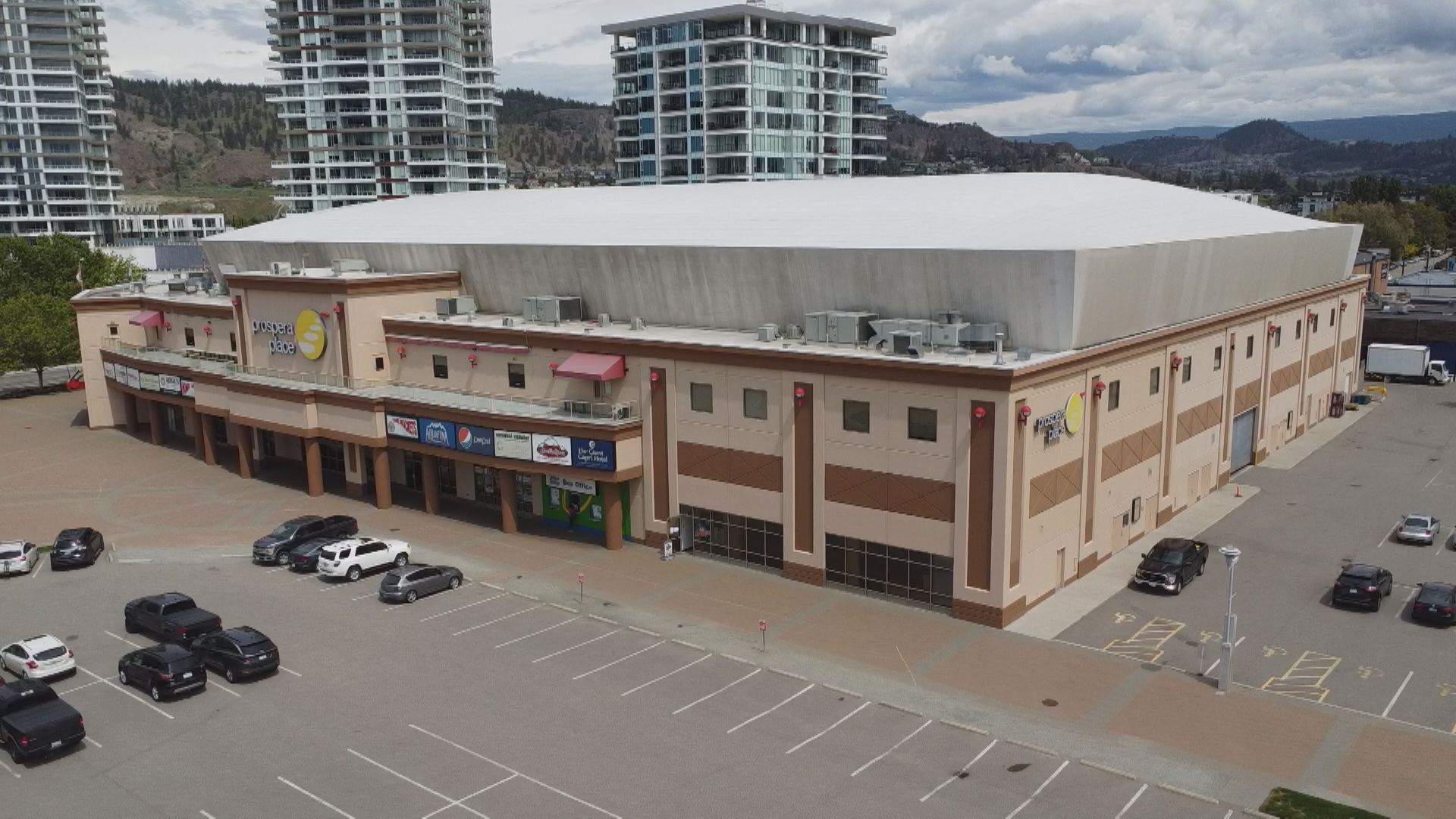
The lazy consensus in municipal politics is simple: homegrown means good, and foreign means corporate pillaging. When news broke that an international entertainment conglomerate might snatch the operations contract for Kelowna's Prospera Place away from the incumbent Canadian operator GSL Group, the local comment sections erupted. Panic over American control took center stage. Incumbency protection dressed up as hometown pride became the default knee-jerk stance.
It is a deeply flawed framing.
For a quarter of a century, the status quo at Prospera Place has gone largely unchallenged. Incumbency builds comfort, but comfort is the enemy of municipal optimization. Focusing the debate on a geographic passport rather than cold, hard operational economics misses the point entirely. Cities do not need sentimental guardians for their sports and entertainment venues; they need hyper-efficient booking power that commands global tours and maximizes return on public assets.
The Myth of the Hometown Advantage
GSL Group has run the arena since its inception, steering the venue with a steady hand and delivering years of WHL hockey through the Kelowna Rockets. That track record deserves acknowledgement. But tenure breeds entitlement. When an incumbent starts treating a municipal management agreement like a permanent generational deed, the competitive bidding process has already failed.
The primary argument against an outside firm—often labeled as American or foreign-backed—relies on flag-waving rather than balance sheets. Competitors and local defenders point to corporate roots as a disqualifier. This ignores how the modern arena and touring ecosystem actually functions. Stadium tours are not booked through local telephone directories. They are negotiated by massive international agencies operating across global booking networks.
When a city evaluates venue management, sentiment pays zero utility bills. The metric that matters is booking power: how many routing dates can a firm secure, what acts can they pull away from competing secondary markets in the Pacific Northwest, and how much equity are they willing to drop into capital improvements without leaning on municipal tax dollars?
Dismantling the Transparency Trope
The incumbent's primary offensive maneuver has centered on demanding transparency, calling for the city to air competing bids in public view. On the surface, openness sounds unimpeachable. Who could oppose sunshine in municipal contracting?
Look closer. Demanding public disclosure of proprietary commercial proposals mid-process is a classic defensive play designed to tie municipal hands and poison the procurement well. Private operators bidding millions in capital investments do not lay out their proprietary financial modeling, corporate backing structures, and profit-sharing mechanisms just to feed public debate during an active municipal election cycle.
When a municipality runs a competitive Request for Proposals, bidders submit trade secrets. Forcing cities to broadcast those trade secrets destroys competitive bidding entirely. Future operators will simply stop bidding if they know their private commercial strategies will be weaponized in local political theater.
The Economics of Scale Versus Nostalgia
Let us look at the structural mechanics of modern venue operation. Operating a mid-sized arena in the interior of British Columbia is no longer about keeping the lights on and booking the occasional regional trade show. It requires competing against modern multi-use facilities that wield immense corporate booking leverage.
Global giants like Oak View Group bring booking muscle that local operators simply cannot match independently. When a promoter plots a North American tour for a major artist, they do not deal with single-arena operators one by one if they can avoid it. They look for network-wide routing deals. An international management firm with a vast portfolio of venues can bundle dates, offering artists guaranteed multi-stop routing that guarantees higher tier talent acquisition.
If Kelowna wants to stop losing major summer tours and high-yield entertainment acts to coastal markets or larger interior stops, clinging to a localized monopoly because of historical familiarity is economic self-sabotage.
The Real Risk: Transferring Financial Exposure
The core issue in any municipal arena contract is not who owns the letterhead; it is who holds the bag when economic conditions sour or capital repairs mount. Prospera Place is aging. Millions in deferred maintenance, concourse updates, seating overhauls, and scoreboard tech loom on the horizon.
Under historical arrangements, municipalities often find themselves cornered into funding upgrades while private operators harvest operational revenue. A truly modern contract shifts that risk profile aggressively toward the operator. Whether that operator is headquartered in Vancouver or Los Angeles is entirely secondary to whether their contract forces them to sink private equity into the building envelope and absorb operating deficits.
If an incoming international firm offers a richer capital commitment, greater equity sharing, and superior network routing power, rejecting them on nationalistic grounds is a tax on local taxpayers.
The era of the cozy, single-operator arrangement is dead. Municipalities that treat arena contracts like sentimental hometown clubhouses will find themselves sitting in empty seats while the rest of the touring world drives right past them.