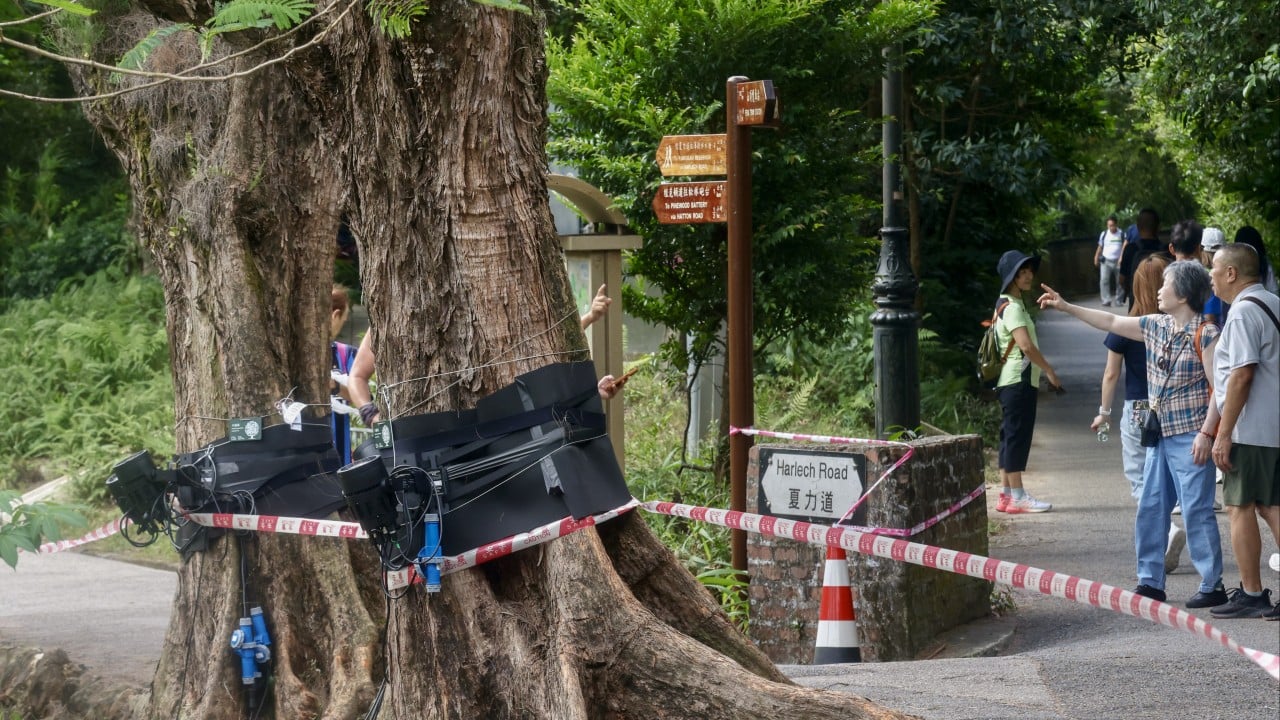
Putting light displays on a quiet hillside trail sounds harmless on paper. In reality, it lit a fuse across Hong Kong.
In mid-October 2026, photos of lighting hardware along Victoria Peak's walking paths started circulating online, and residents pushed back hard over felled trees, trimmed plants, and bulky fixtures. Days later, on October 18, 2026, the Hong Kong Tourism Board (HKTB) pledged to review the Peak lighting installation and hold wider consultations—a reversal that quickly snowballed into full cancellation by late October. Building on this topic, you can find more in: Inside the Tragic Alberta Military Base Fire That Stunned Canada.
If you're wondering what really went wrong, it wasn't just a bad PR week. It was a collision between "tourism is everywhere" thinking and a steep, shaded hillside where people go specifically to escape neon and noise.
http://googleusercontent.com/lmdx_content/HiPqRFkDCteVwTMXetFZLIcbWCqutJDPoHsgeziZUHraWvCeFCZbMxeWeznQGwMqyZewtRVVwKVJmVcaSCuhGPqwyybYyDGdPeungrUixATHFTPNlkImbBzmBTvfAywLFRHiplihNhxMCKgrONLQEvsQXLNN265162 Experts at The New York Times have also weighed in on this situation.
What Sparked the Backlash on The Peak
The project aimed to bring evening lighting effects to parts of the walking trail near Lugard Road and Harlech Road, pairing with winter tourism events like Hong Kong WinterFest as a fresh look after the retirement of "A Symphony of Lights". Planned evening hours ran roughly between 6 pm and 10 pm.
Once installation work began and images hit social media, local pushback moved fast. Residents and critics pointed to chopped foliage and trees along the route, calling the hardware an eyesore that clashed with the Peak's calm, natural atmosphere.
Officials had a counter-narrative ready. According to reporting and Central and Western District Council records, HKTB pointed to earlier briefings—including a district council consultation in April and resident sessions in May and September—as well as input from ten government bodies and registered arborists. Council paper No. 44/2026 notes that arborists assessed the selected trees as having relatively straight trunks and not being fragile species, identifying 52 trees suitable for fitting placement.
Still, consulting a committee on paper doesn't automatically win over neighbors walking past stripped greenery or protective wraps. A lot of folks feel blindsided when a quiet path suddenly looks like an event staging zone.
Trees, Ecology, and the "Mismatch" Problem
Here's the catch with putting decorative lights in a woodland setting. Even when arborists say a trunk can physically take a bracket or strap, urban ecology isn't just about whether a tree survives a bolt.
Urban forestry specialist Jim Chi-yung of the Education University of Hong Kong pointed to a core mismatch in installing artificial lights within a natural environment. That phrase gets to the heart of the dispute. Down in Tsim Sha Tsui or Causeway Bay, bright lights fit the urban rhythm. Up on Lugard Road or Harlech Road, the whole appeal for hikers, joggers, and local residents is cool air, shade, views, and quiet.
Tree protection measures were part of the plan, including efforts to make protective materials blend in better with the surroundings. Yet when residents see cut greenery and visible equipment along a scenic walk, technical assurances about "non-fragile species" rarely calm the room.
There's also a practical question that often gets glossed over in tourism pitches. Once you wire up a hillside trail, you invite crowds, maintenance crews, and hardware into a space that thrives on low-impact simplicity.
How the Review Turned Into a Full Cancellation
The October 18 review pledge wasn't the end of the story. Over the next eleven days, the project went from "under review" to "scrapped".
By late October—with Secretary for Culture, Sports and Tourism Rosanna Law addressing reporters on October 29 following a submission to the Central and Western District Council—officials confirmed the Peak lighting project wouldn't proceed. Installations were slated for removal so the trail could be restored to its original condition, while unused displays could be shifted elsewhere. Officials also noted that major evening calendar staples like the Hong Kong Wine & Dine Festival and Hong Kong WinterFest were already on deck, making the Peak installation less of a priority.
Honestly, that pivot was smart. Digging in on a small-scale trail project while winter events were already rolling out would've cost more goodwill than the lights were worth.
Nighttime Tourism vs. Everyday Livability
Hong Kong has been working hard to rebuild lively evenings across the city, especially as nightlife habits shift and officials push broader tourism ideas. Nobody reasonable argues against vibrant festivals or welcoming visitors.
Where things get messy is assuming every scenic spot wants to be a glowing attraction at night. Hong Kong has had plenty of past debates over visitor pressure and local comfort—from cross-border shopping friction years ago to how popular neighborhoods absorb foot traffic today.
The Peak sits right on that fault line. It's world-famous for visitors, yet it's also a daily backyard and green escape for residents. When a policy treats green space like a blank stage for evening spectacles, pushback isn't a surprise. It's predictable.
Practical Next Steps for Tracking and Shaping Local Projects
If you live near the Peak, hike those trails regularly, or follow how Hong Kong balances tourism with green spaces, you don't have to wait for another social media flare-up to stay informed.
- Check Central and Western District Council papers: Council agendas and information papers (like October 2026's Paper No. 44/2026) often reveal exact tree counts, site boundaries, and restoration timelines before or right as plans shift.
- Watch trail conditions after removal: Keep an eye on Lugard Road and Harlech Road stretches where hardware was mounted so you can verify that fittings come down cleanly and disturbed vegetation is properly restored.
- Speak up early at public briefings: District council meetings and resident briefings happen months before hardware shows up on site. Raising ecological or quiet-hours concerns early is far easier than fighting installed gear.
- Look for urban-first night events: Support evening programming in commercial districts built for lights, crowds, and late dining rather than forested paths that lose their charm the moment you flood them with fixtures.