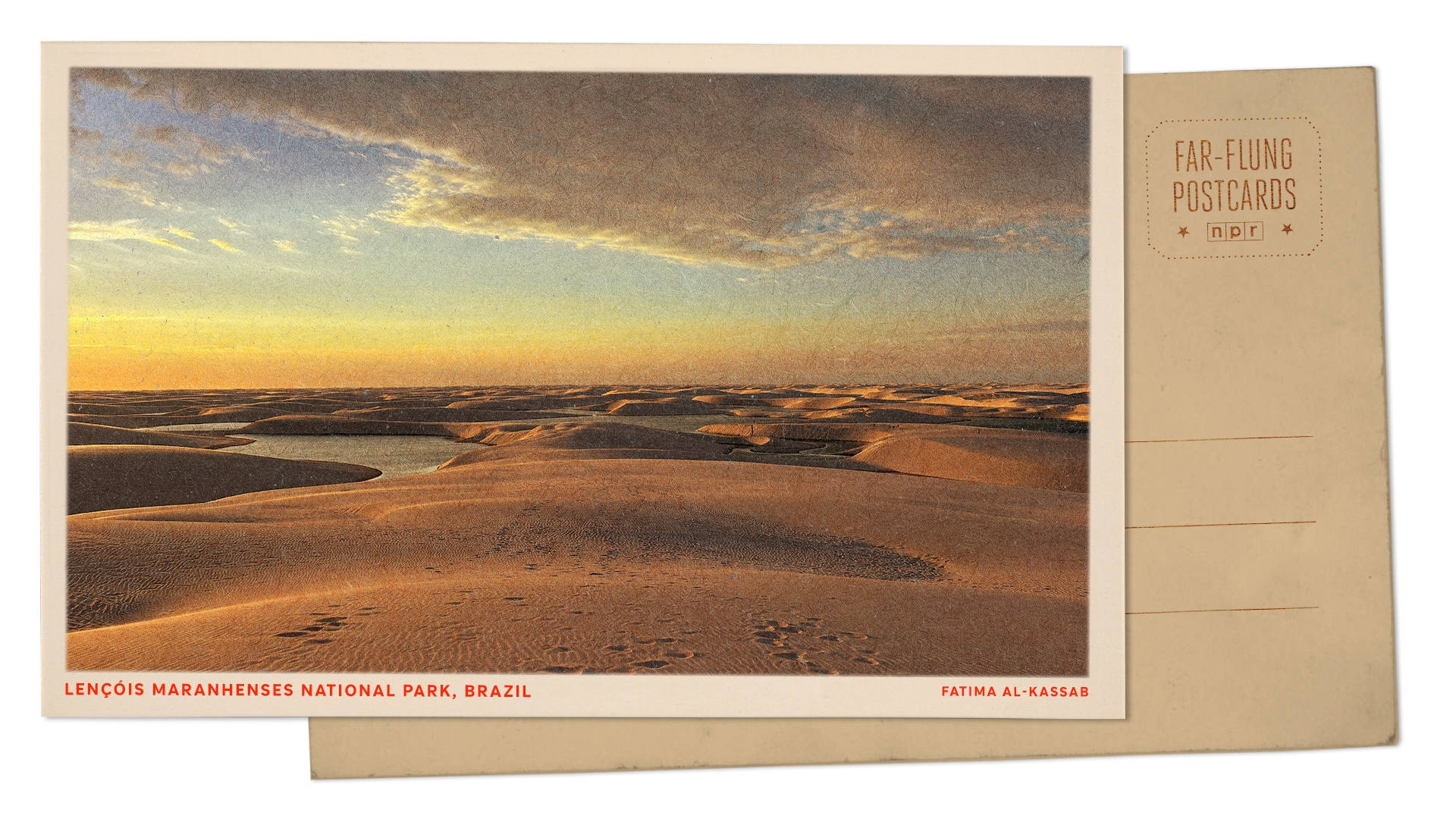
You've probably seen the photos. Endless white sand dunes stretching toward the horizon, perfectly pocketed with vivid blue and green rainwater lagoons. It looks like a digital rendering or some weird sci-fi set piece. But it's entirely real, located in the northern state of Maranhão in Brazil.
Most travelers completely mess up their trip here because they treat it like a standard beach holiday or a simple desert trek. They show up during the wrong months, bake under a relentless sun without a proper guide, and miss the actual magic of the ecosystem. Let's fix that right now.
The Weather Trap That Ruins Most Trips
Timing makes or breaks your experience in Lençóis Maranhenses National Park. If you visit between October and December, you won't find postcard-worthy lagoons. You'll find a dry, dusty expanse that looks nothing like the tourist brochures.
The rains fall heavily between January and June. That water fills the valleys between the massive dunes, creating thousands of freshwater pools. July through September is the sweet spot. The lagoons are full, the weather is manageable, and the water stays warm enough for a comfortable swim.
Don't ignore this window. Showing up in November means walking across dry dirt instead of floating in crystal-clear water.
Getting Your Bearings in Barreirinhas
Barreirinhas serves as the primary gateway town. It sits on the edge of the Preguiças River and acts as the staging ground for almost every park excursion. You'll take a modified 4x4 truck across the river via a rickety barge just to reach the trailheads.
The vehicle ride alone is an adventure. You bounce across sandy tracks that require serious driving skills. Don't rent a standard car and expect to drive into the park yourself unless you enjoy paying massive towing fees. Local drivers know how to navigate the shifting sands without getting stuck.
Where to Stay and Eat
Skip the mega-resorts because they don't exist here. You'll find charming local pousadas along the riverfront. Try the regional fish dishes seasoned with local herbs, and drink fresh coconut water straight from the shell after a hot day on the dunes.
Beyond the Standard Tour Routes
Most day-trippers stick to Lagoa Bonita or Lagoa Azul. They are stunning, but they also get crowded. If you want actual solitude, look into visiting smaller outlying communities like Santo Amaro do Maranhão or Atins.
Santo Amaro sits closer to the heart of the park. The lagoons here often form right next to the town streets, meaning you don't need a massive two-hour 4x4 ride just to get your feet wet. Atins offers a laid-back fishing village vibe where kite surfers gather to catch the steady Atlantic winds.
What Actually Happens to the Fish
Here is a detail most travel blogs skip entirely. How do fish live in lagoons that completely dry up every single year?
During the dry season, adult fish burrow deep into the damp mud and enter a state of dormancy. When the heavy rains return and fill the basins, these fish wake up and swim to the surface. Tiny crabs and fish eggs also arrive via birds or survive underground, keeping the ecosystem fully functioning despite the extreme seasonal shifts. Nature finds a way, and seeing tiny fish swimming in a desert pool miles from the ocean blows your mind.
Smart Packing for the Dunes
Pack light, but pack smart. You will need polarized sunglasses because the white quartz sand reflects sunlight intensely. Bring a dry bag to protect your phone and camera gear during the bumpy truck rides and river crossings.
Wear sturdy sandals or go barefoot on the sand. Regular sneakers trap sand grains that will rub your skin raw within five minutes of walking. Slather on high-SPF sunscreen, but remember to respect local environmental rules by using reef-safe products when swimming in the delicate freshwater pools.
Book your certified local guide ahead of time through your pousada. Wandering into the park alone without a GPS or local knowledge is a fast track to getting lost in a massive maze of identical sand ridges. Respect the environment, time your visit right, and experience one of South America's wildest landscapes properly.