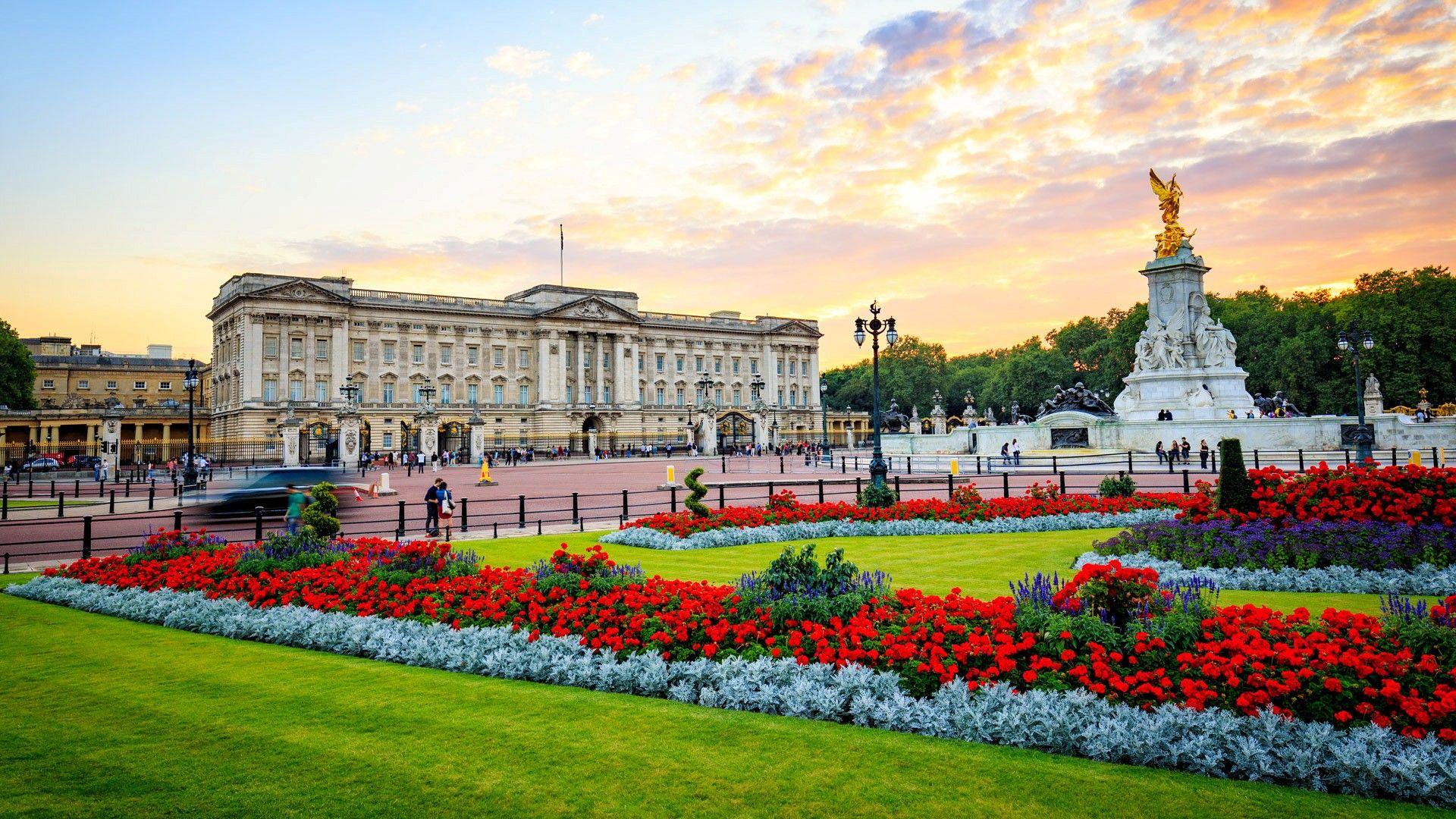
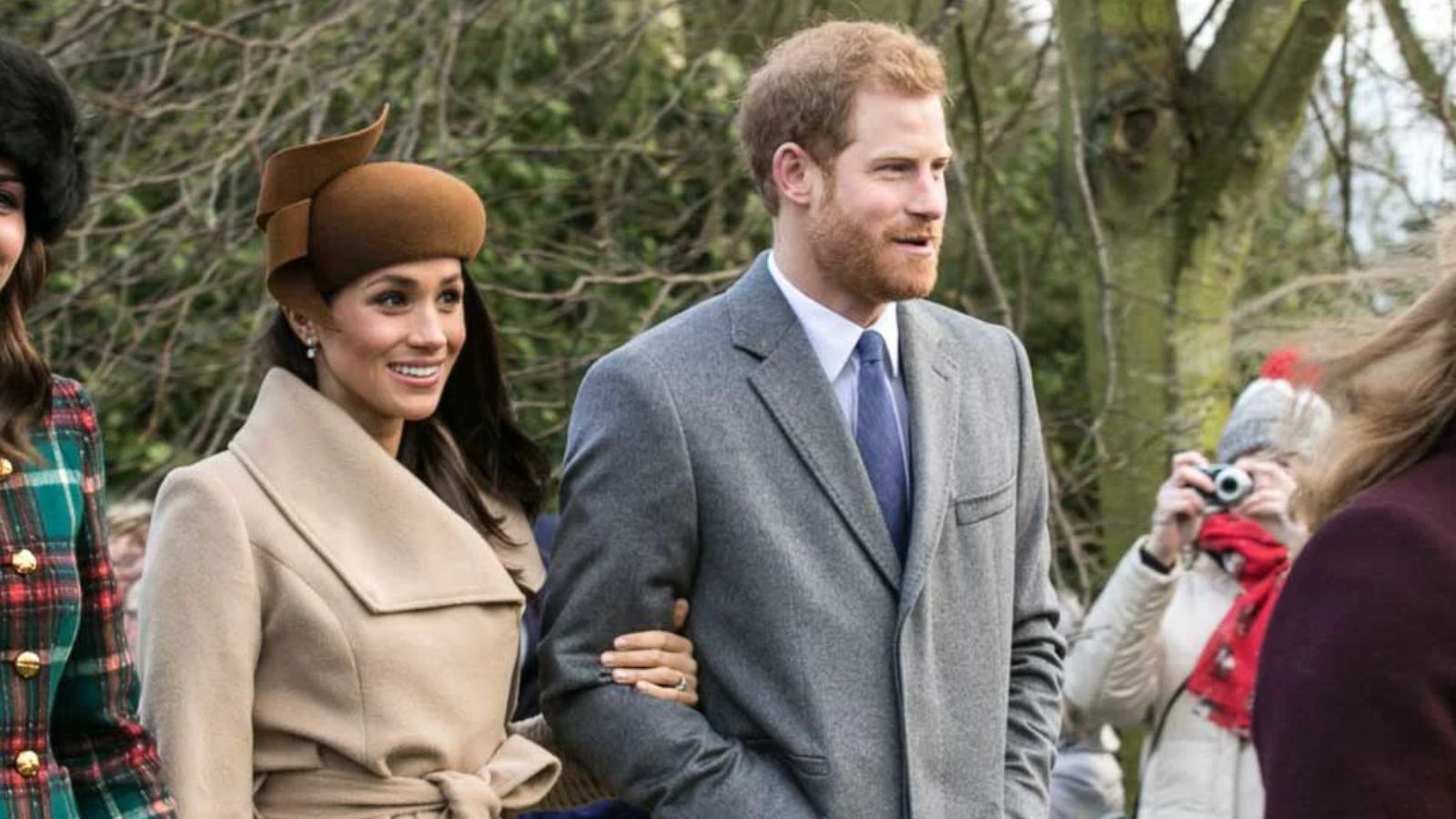
Prince Harry and Meghan Markle thought they were getting a quiet heads-up. Instead, they got a PR ambush. When Buckingham Palace circulated a formal letter defining the Duke and Duchess of Sussex as non-working royals, the couple's team received the memo a mere hour and twelve minutes before it hit the media. Harry was stuck in a meeting and couldn't be reached until two minutes before public release.
If you are wondering why the palace felt the need to drop a formal decree just because Harry, Meghan, and their children returned to the U.K., you have to look past the family drama. This isn't just about hurt feelings or short notice. It is about legal boundaries, security logistics, and an institutional fear of a parallel court.
What the Palace Letter Actually Said
Authorized by King Charles and drafted by the Lord Chamberlain, the memo went straight to senior government officials, military leaders, and lord lieutenants. Its core message was brutally simple. The Sandringham Agreement from 2020 remains set in stone.
There is no room for a half-in, half-out monarchy.
- No Working Status: The couple cannot represent the Crown or carry out official royal engagements.
- Private Citizenship: Their status is explicitly defined as private citizens with commercial and charitable interests.
- Title Restrictions: Styles of His and Her Royal Highness remain in abeyance and will not be used.
- Charity Boundaries: Any philanthropic work they do is entirely personal, not institutional.
The palace stated the goal was to avoid doubt or confusion. Yet the timing reveals the real motivation.
The Timing Tells the Real Story
The memo dropped right as the family settled back into Britain. More importantly, it arrived just ahead of a crucial meeting by RAVEC, the government committee responsible for taxpayer-funded security.
Harry has spent years locked in bitter legal battles to restore his state-funded police protection. When they lived full-time in California, the security question was straightforward. Now that they are spending time in the U.K. again with their children, the pressure on the Home Office to recalculate security protocols has spiked.
By officially clarifying that the Sussexes are private citizens operating entirely outside the royal fold, the palace has drawn a thick, legal line. If local organizations or state agencies wonder how to treat them, or if public funds are requested for their visits, the directive tells them to bounce those questions right back to Buckingham Palace. It effectively shields the monarchy from any financial or operational entanglement with the couple's private lives.
Why the Sussex Camp Was Blindisded
The surprise isn't the policy. Everyone knew the rules hadn't changed since 2020. The shock came from the execution.
Giving a high-profile family barely an hour to digest a formal government-wide memo about their own status feels deliberately cold. It highlights a fractured communication loop that has defined the Windsor-Sussex relationship for years. Even when physical distances shrink, the institutional walls grow higher.
Harry and Meghan want to carve out a life where they can move freely between continents, pursue commercial media deals with Netflix, launch lifestyle ventures, and occasionally support British charities close to their hearts. The palace is fine with all of that—as long as nobody confuses corporate independence with royal authority.
Ultimately, this letter didn't rewrite reality. It merely pinned a neon sign to an existing wall. The Sussexes are home, but the firm is making certain nobody mistakes a family visit for a royal restoration.